On-site Preparation Method for Refractory Mortar Used in Kilns and Furnaces
Those familiar with refractory materials know that when installing refractory bricks or precast refractory shapes, the refractory mortar used must be of the same material composition as the bricks or shapes themselves. This is essential to prevent quality issues that could arise from material incompatibility. The construction of kiln linings may involve various types of refractory mortar—such as clay-based, high-alumina, or phosphate-bonded varieties. Consequently, all masonry work must adhere to the following requirements.
Fireclay Mortar
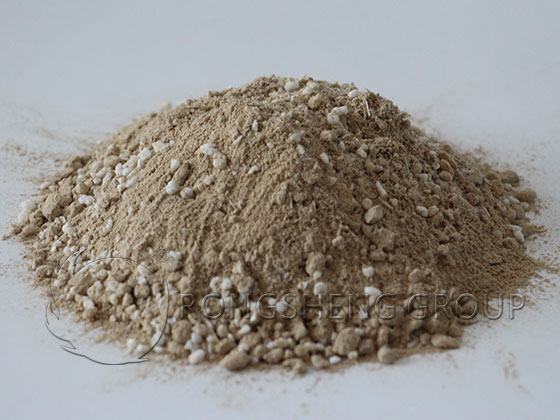
Fireclay mortar should be used when laying fireclay bricks, fireclay insulating bricks, or diatomite-based insulating products. In China, its properties must meet the requirements for grade NN-42 as specified in the national standard GB/T 14982, “Fireclay Mortar.”
High-Alumina Mortar
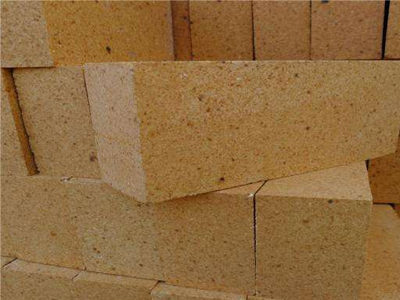
High-alumina mortar should be used when laying high-alumina bricks. In China, its properties must meet the requirements for grades LN-55B and LN-65B as specified in the national standard GB/T 2994, “High-Alumina Mortar.”
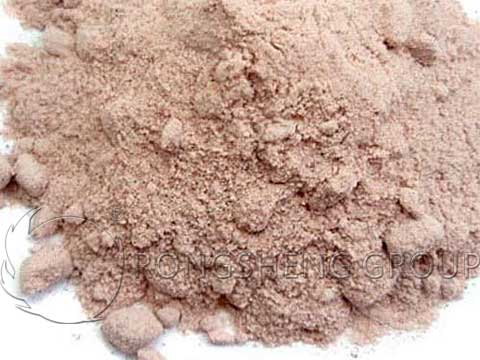
Refractory Castable Precast Blocks and Refractory Mortar for Furnace Roof Masonry
When laying refractory castable precast blocks, a refractory mortar of the same composition as the blocks must be used, ensuring an appropriate mix ratio and consistency. For the construction of furnace roofs or other critical components, phosphate-based mortar or PA-80 high-temperature resistant mortar should be employed.
Phosphate-based Mortar
1) Mix Ratio.
- The mix ratio for phosphate-based mortar must follow specified requirements. The performance specifications for the phosphoric acid used must comply with relevant standards.
2) Preparation Method.
- ① During preparation, pour the phosphoric acid into a warm (50°C–80°C) hide-glue solution according to the prescribed proportions and stir until well-blended. Then, add the high-alumina calcined powder (grog) in the required proportions, stirring continuously until the mixture is uniform.
- ② Mixing may be performed mechanically or manually. For mechanical mixing, the duration for each batch should generally not exceed 5 minutes. For manual mixing, the material must be stirred continuously from the moment ingredients are added until the mixture is uniform.
- ③ Aging (Maturation) Requirements. Once mixed, the phosphate-based mortar must undergo an aging process. If the aging temperature is between 20°C and 30°C, the aging duration should be no less than 4–24 hours. If the temperature is between 40°C and 60°C, the duration should be no less than 4–16 hours. This allows the phosphoric acid to fully react with impurities in the high-alumina calcined powder, ensuring that any generated gases are released. During the initial stage of aging, the reaction is vigorous and produces many air bubbles; therefore, frequent stirring is required. Once the number of air bubbles decreases, the mixture should be stirred once every 1–2 hours.
- ④ Consistency Adjustment. To accurately control the consistency of the phosphate-based mortar and to become familiar with its working properties, a trial masonry test should be conducted to fine-tune the consistency.
PA-80 High-Temperature Resistant Mortar
1) Mix Ratio. The mix ratio for PA-80 high-temperature resistant mortar must follow specified requirements. The performance specifications for the materials used must comply with the relevant provisions of GB 201 “Aluminate Cement” and GB/T 2994 “High-Alumina Refractory Mortar.”
2) Preparation Method. Mix the PA-80 high-temperature binder with the composite refractory powder in the specified proportions. After allowing the mixture to mature for 16–24 hours, incorporate the high-alumina cement—adding it in portions as needed for the immediate application—and mix thoroughly. The entire batch should be used at once; any mortar that has already set (cured) must not be used.
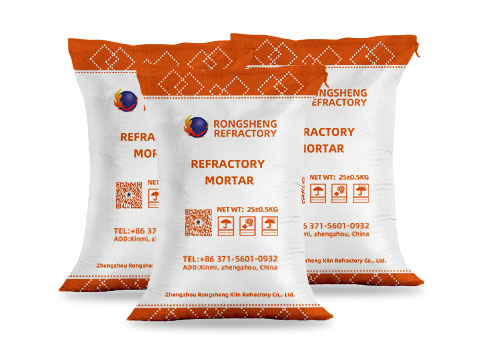
Particle size of the refractory mortar: Generally, fine-grained refractory mortar is used. The specific particle size may also be selected based on the thickness of the mortar joint, provided that the maximum particle size does not exceed 30% of the joint thickness.
Methods and Construction Procedures for Using Refractory Mortar
Refractory mortar is an essential construction material, widely used in the building and repair of equipment such as furnaces, kilns, and chimneys that operate in high-temperature environments. Composed primarily of refractory materials, it can withstand extreme heat, protecting equipment from damage caused by overheating. Consequently, following the correct application methods and construction procedures is crucial to ensuring the effectiveness of the refractory mortar.
Before beginning construction, gather all necessary tools and materials. Refractory mortar typically consists of refractory clay, a binder, and water; the specific proportions should be adjusted based on the requirements of the project. The work site must be kept clean and tidy, free of any debris that could compromise construction quality. Additionally, the surfaces to be treated should be inspected to ensure they are dry and free of oil, grease, or dust, which helps improve the adhesion of the mortar.
Next, thoroughly mix the refractory clay and binder according to the specified ratio. Gradually add water until the mixture reaches the desired consistency for application. Ensure the mortar is blended uniformly—either by hand or using a mechanical mixer—making sure there are no dry pockets or lumps. Once mixed, the refractory mortar should be used promptly to prevent it from losing its adhesive properties due to prolonged exposure.
During application, spread the prepared refractory mortar evenly over the areas requiring repair or new construction. Use tools such as trowels or spatulas to ensure a uniform thickness and smooth, natural-looking edges. For complex areas, the mortar may be applied in layers to ensure overall density and structural strength. After application, it is advisable to provide initial curing—keeping the material moist while protecting it from excessive heat or rapid air-drying—to enhance its strength and fire resistance.
Once the refractory mortar has fully dried, the final inspection and finishing steps are essential. Check the surface for flatness, cracks, or other defects to ensure the mortar will perform as intended. Furthermore, the refractory material should be subject to regular maintenance and inspection throughout its service life to ensure optimal performance and longevity. By following these meticulous construction steps and methods, the use of refractory mortar can achieve optimal results, providing a robust safeguard for various high-temperature equipment.