Search for:
Analysis of the Causes of Short Refractory Lining Lifespan in Gasifiers

Overview of Refractory Linings in Gasifiers. Refractory bricks designed for GE coal-water slurry gasification systems constitute a critical component of the gasifier’s reaction chamber; they are required to meet stringent criteria regarding high-temperature resistance and resistance to erosion. These materials are characterized by their corrosion resistance, high mechanical strength, absence of toxic substance leaching, and long service life. The hot-face refractory materials must be capable of withstanding slag attack and corrosion by high-temperature syngas under the normal operating temperature conditions of the gasifier’s reaction chamber. Furthermore, they must endure the erosive forces of high-temperature syngas—as well as the abrasion caused by flowing molten coal slag—should the reaction chamber’s operating temperature rise to 1500°C.

Refractory materials for GE coal-water slurry gasifiers represent one of the key consumable items that significantly impact the long-term, economical operation of the gasifier. However, many gasifiers of this type encounter numerous issues regarding the application of refractory materials. This often results in shortened service lives for the furnace bricks and, in extreme cases during normal production, leads to unplanned system shutdowns caused by localized overheating of the furnace’s steel shell—a direct consequence of refractory lining failure—thereby posing substantial risks to both production continuity and equipment safety. With a specific focus on the application of refractory linings, this discussion examines various aspects—including material selection, masonry requirements, furnace drying and cooling procedures, normal operational protocols, and the root causes of material degradation—and proposes specific improvement measures aimed at extending the service life of the refractory lining.

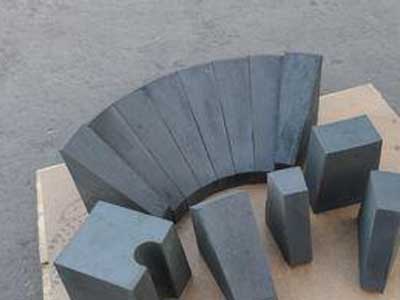
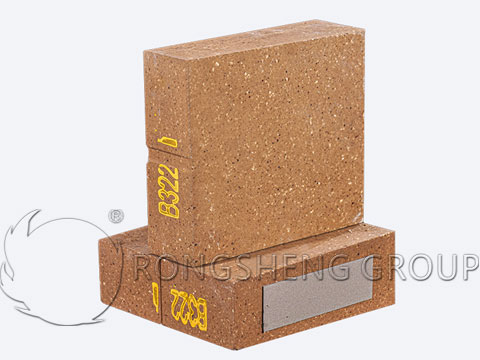
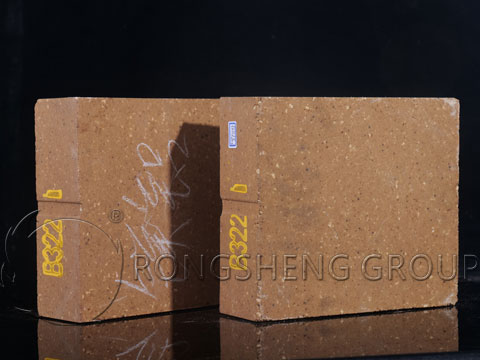
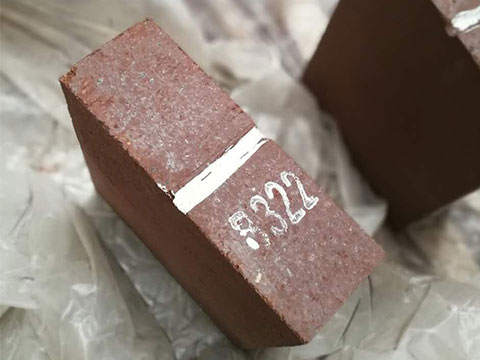
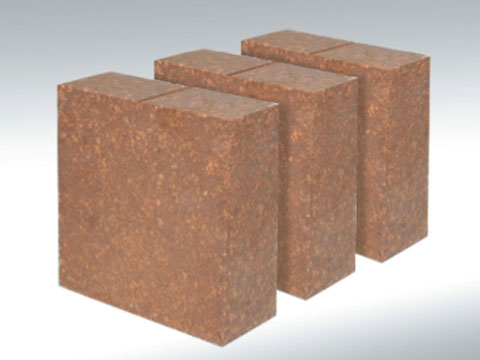
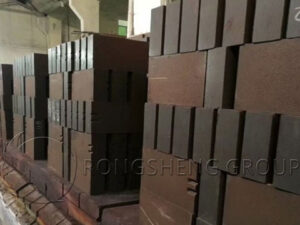
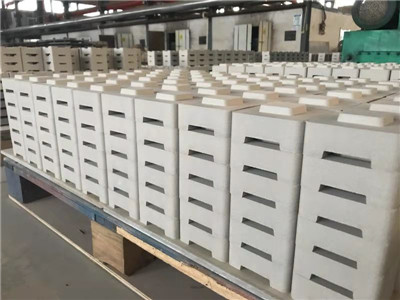
high chrome bricks
High Chrome Bricks

Free Quote

    Free Quote

    Your Name (required)


    Your Email (required)

    Your Phone

    Required Products (required)

    Enquiry Information

    Refractory Lining Structure of the Gasifier Combustion Chamber

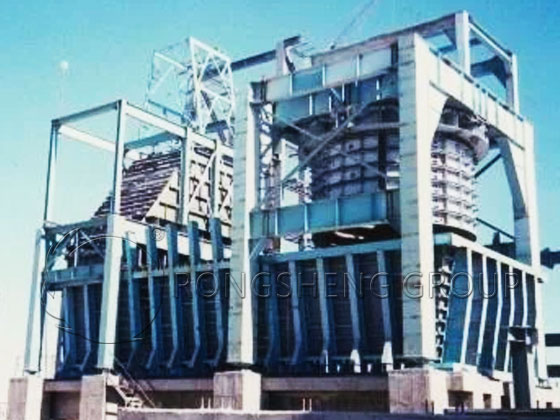
    The combustion chamber of the gasifier features a vertical structural arrangement; extending from the furnace throat down to the slag tap, the refractory lining covers various sections, including the dome, the cylindrical shell, and the conical section.

    Dome Section

    The refractory lining in the dome section consists of three layers, arranged from the interior outward: a hot-face refractory brick layer, a layer of chrome-corundum castable, and a layer of refractory fiber plastic materials. The installation ports for the process burners at the furnace throat are constructed from two layers of refractory material, arranged from the interior outward: an inner layer of high-chrome bricks and an outer layer of alumina hollow-sphere bricks. A thick layer of refractory fiber felt is placed as a cushion between the refractory materials at the furnace throat and the large flange at the furnace head.

    Cylindrical Shell Section

    The refractory lining in the cylindrical shell section consists of four layers, arranged from the interior outward: a hot-face refractory brick layer—specifically, high-chrome refractory material that interacts directly with the process gas and molten slag generated by the gasification reaction; a layer of chrome-corundum bricks, positioned immediately adjacent to the outer side of the hot-face refractory layer; a layer of alumina hollow-sphere bricks; and a layer of refractory fiber plastic refractory, which serves to fill the space between the alumina hollow-sphere bricks and the steel shell of the gasifier cylinder.

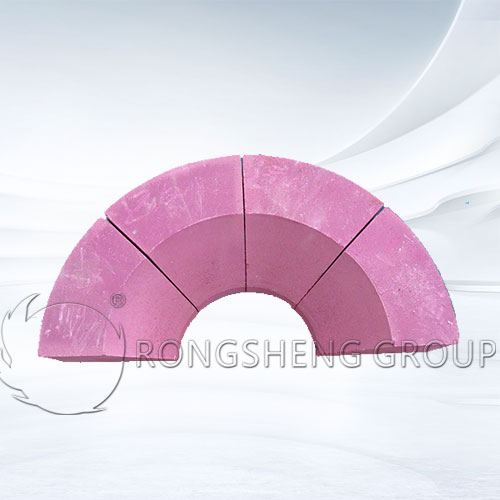
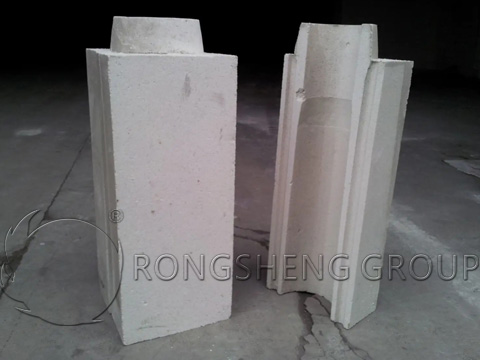
    Chrome Corundum Bricks for Refractory Linings in Gasifiers
    Chrome Corundum Bricks for Refractory Linings in Gasifiers

    Free Quote

      Free Quote

      Your Name (required)


      Your Email (required)

      Your Phone

      Required Products (required)

      Enquiry Information

      Conical Section

      The refractory lining in the conical section consists of two layers, arranged from the interior outward: a hot-face layer composed of high-chrome bricks; and a layer of chrome-corundum castable positioned between the high-chrome bricks and the conical furnace shell. This castable material is primarily utilized to fill the irregular void spaces situated behind the hot-face refractory bricks.

      Material Selection and Masonry Requirements for Refractory Linings

      When selecting raw materials for the hot-face bricks (facing the heat source), high-quality materials with a high Cr₂O₃ content must be utilized. The resulting hot-face refractory bricks must meet specific densification standards, exhibiting low porosity, a fine-grained microstructure, and a high bulk density. Furthermore, they must demonstrate exceptional resistance to slag corrosion and superior chemical stability at high temperatures to ensure the overall quality of the refractory lining.

      For the back-side lining of the hot-face bricks in the dome and conical sections, chrome-alumina castables should be employed; these materials must possess superior strength, density, and effective insulating properties. During the furnace heat-up phase, this configuration facilitates the formation of a monolithic furnace roof structure, thereby preventing localized overheating and mitigating the risk of “narrow-gas” phenomena (localized flow constriction).

      During the masonry construction of the gasifier, refractory expansion joints must be provided in accordance with specified requirements, and all technical parameters—particularly those pertaining to the dome and cylindrical sections—must be strictly adhered to.

      The primary technical specifications for refractory brick masonry are as follows: horizontal joints must be <1.0 mm, vertical joints <1.8 mm, vertical alignment (plumbness) within ±5 mm, horizontal alignment (levelness) within ±4 mm, and concentricity within ±5 mm.

      Given the unique nature of the reaction media and process conditions within the gasifier, the refractory lining—including expansion joints, nozzle ports, temperature measurement ports, pressure measurement ports, and brick-support areas—requires meticulous design and specialized treatment to ensure the safe, reliable, and long-term operation of the gasifier.

      During the masonry process, a specific clearance must be maintained between adjacent refractory lining sections. This intermediate gap should be filled with compressible refractory fiber or plastic refractory material to ensure that adjacent lining sections remain free from compressive stress—and are able to undergo relatively free differential movement—during high-temperature thermal expansion. Additionally, the gaps between adjacent refractory lining sections should be lined with an organic film separator. The joints between hot-face bricks (or those in the insulating/thermal-retention layers) and their immediate lateral neighbors must not form continuous straight lines in the longitudinal direction. Furthermore, the corresponding vertical and horizontal joints across the various layers of the refractory lining—from the innermost hot-face layer outward—must not align to form continuous straight lines that traverse the entire lining structure. The precision of the refractory brickwork at the process burner location must be strictly controlled in accordance with technical specifications. The centerline and concentricity of the process burner must be aligned with the centerline of the furnace body, with a permissible deviation of no more than ±2 mm. The diameter deviation at any given cross-section shall not exceed ±6 mm; the straightness deviation of the furnace lining centerline shall be within ±3 mm; and the total height deviation shall not exceed ±6 mm.

      Waterproofing measures must be applied to the interface between the refractory bricks and the castable material to prevent the bricks from absorbing moisture.

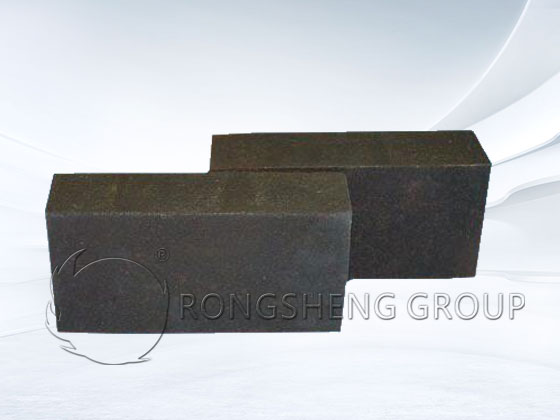
      alumina bubble bricks
      alumina bubble bricks

      Free Quote

        Free Quote

        Your Name (required)


        Your Email (required)

        Your Phone

        Required Products (required)

        Enquiry Information

        Gasifier Bake-out

        Upon completion of refractory brick masonry, the structure must undergo natural ventilation and drying for 2 to 3 days. For newly laid refractory bricks, the initial temperature rise—the “bake-out” process—must strictly adhere to the original prescribed heating curve. This process serves to eliminate free water, crystalline water, and residual chemically bound water present within the refractory bricks and mortar. During the bake-out, improper operation or failure to follow the heating curve can lead to cracking of the refractory lining, a reduction in its structural strength, or even spalling (flaking) of the lining material.

        If material charging is to commence immediately after the bake-out, the temperature may be raised from 800°C to the designated charging temperature at a heating rate of less than 50 K/h. If, however, the gasifier requires cooling to ambient temperature after the bake-out, the cooling process must not be abrupt; the rate of temperature decrease should be controlled at no more than 20 K/h. When initiating the bake-out by ignition, one must strictly avoid raising the furnace temperature too rapidly, as this risks cracking the furnace lining. The bake-out procedure must be conducted in strict accordance with operational protocols; specifically, the temperature differential between the upper and lower sections of the gasifier’s combustion chamber must be maintained below 80 K. Should an excessive temperature differential arise, it can be corrected by increasing the induced draft volume to adjust the furnace’s negative pressure, thereby elongating the flame and effectively controlling the temperature distribution. In the event of a flameout, the fuel supply must be immediately cut off, and negative pressure (draft) maintained for 5 minutes. Once analysis confirms that the concentration of combustible gases within the combustion chamber is within safe limits, re-ignition may proceed according to operational protocols. The furnace temperature should be raised at a rate of no more than 30 K/h until it reaches the temperature recorded just prior to the flameout, after which heating should continue in accordance with the prescribed heating curve. Upon completion of the gasifier bake-out, the internal furnace temperature should be measured using a temperature gun; the water supply to the quench ring may be shut off—allowing the furnace to cool naturally—only when the internal temperature has dropped below 140°C.

        During a standard bake-out procedure, a heating rate of 40 to 50 K/h is required. The temperature is to be raised to the specified target of 1250°C, followed by a period of constant-temperature holding. Throughout the heating phase, raising the temperature too rapidly is strictly prohibited; furthermore, precautions must be taken to prevent excessive temperatures that could lead to slag accumulation and blockage of the slag tap. In the event of a flameout, immediately close the fuel control valve and the shut-off valve. After fully opening the preheating burner damper and maintaining a negative pressure draft for 5 minutes, reignite the burner. Then, increase the temperature at a rate of less than 50 K/h until the temperature prior to the flameout is reached; only then may the temperature be raised to the charging temperature in accordance with the prescribed heating rate.

        The Impact of Process Operations on Furnace Bricks and Measures to Extend Their Service Life

        Refractory bricks—particularly those on the hot face—experience wear during operation primarily due to mechanical erosion by coal ash and slag, spalling caused by thermal and chemical stresses, chemical corrosion, high-temperature ablation, and gradual thinning resulting from normal use. This section analyzes the actual operational conditions of refractory bricks.

        An analysis of the multifaceted forms of wear experienced by refractory bricks—specifically those on the hot face—during operation reveals the following:

        • (1) Mechanical Erosion: Molten ash and slag flow across and erode the furnace bricks, leading to severe scouring, deformation, and even detachment of the bricks, often exacerbated by thermal stresses.
        • (2) Thermal Stress Spalling: Thermal expansion generates circumferential stresses within the hot-face bricks; this causes creep deformation in the refractory material on the hot-face side, subsequently leading to crack formation and spalling.
        • (3) Joint Erosion: When the gaps between refractory bricks are excessively wide, the refractory mortar within the joints shrinks. Consequently, these gaps become vulnerable to erosion by flowing ash and slag, as well as corrosion and ablation by high-temperature gases. The refractory bricks are gradually eroded—starting from these weak joint areas—resulting in “groove-like” or “pitted” forms of damage.
        • (4) Impact of Oxygen-to-Coal Ratio: An excessively high oxygen-to-coal ratio prevents the formation of a protective slag layer on the surface of the furnace bricks, thereby negating the “slag-against-slag” protective effect.
        • (5) Chemical Corrosion by Ash and Slag: Various elements present in the ash and slag react with different parts of the refractory bricks, thereby corroding them. For instance, K and Na tend to accumulate and react on the surface; Al and Fe react at the interface; while Ca and Si react within the interior of the brick structure.
        • (6) Impact of Coal Type: Different types of coal exhibit distinct viscosity-temperature characteristics. Consequently, the corrosive and penetrative effects of the various constituents within the ash and slag on the refractory bricks also vary. Notably, SiO₂ and CaO possess stronger corrosive potential toward refractory bricks than do FeO and Al₂O₃; therefore, changes in the type of coal utilized have a profound impact on the service life of the bricks.

        The interior of the gasifier is dominated by reducing gases—specifically H₂ and CO—meaning that the entire hot-face lining of the refractory structure is in constant contact with these reducing gases. Gases permeate into the interior of the refractory bricks through pores or cracks, reacting with the silicon (Si) and iron (Fe) present within the bricks; this reaction causes the cracks to widen, thereby damaging the structural integrity of the bricks.

        Rongsheng High Chrome Bricks
        Rongsheng High Chrome Bricks

        Free Quote

          Free Quote

          Your Name (required)


          Your Email (required)

          Your Phone

          Required Products (required)

          Enquiry Information

          During the frequent start-up and shutdown cycles of a gasifier, the furnace chamber’s temperature and pressure undergo drastic fluctuations. During the feeding process, the sudden ignition of the coal slurry leads to a rapid surge in gas volume, subjecting the furnace bricks to significant thermal and mechanical shock. Furthermore, frequent adjustments to the operational load—whether increasing or decreasing it—impose similar stresses on the furnace bricks. When the quality of the coal feedstock is unstable, frequent adjustments to the oxygen-to-coal ratio become necessary. An excessively high oxygen-to-coal ratio can result in an abnormal elevation of chromium levels within the furnace slag. In the event of system anomalies—such as a sudden and drastic rise or fall in pressure—the service life and performance of the refractory bricks are significantly compromised.

          Following a gasifier shutdown, when the process burner is being extracted, the rate of temperature decline must be strictly controlled. This control can be achieved by covering the furnace opening with a lid to facilitate a slow, “smothered” cooling process, while simultaneously utilizing an induced draft fan to regulate the negative pressure within the chamber.

          The refractory bricks situated in different sections of the gasifier exhibit distinct wear characteristics during operation. Generally, the bricks in the furnace dome (arch) demonstrate a lower rate of erosion and enjoy a longer service life. However, during prolonged periods of low-load operation—or when the volatile matter content of the coal is excessively high—the operational conditions for the dome bricks deteriorate, making them highly susceptible to issues such as spalling (detachment) and cracking. If the process burner is poorly designed, or if the gasifier is operated beyond its rated capacity—resulting in an excessively high velocity of oxygen flow into the furnace—the erosive scouring of the bricks on the hot face (the surface exposed to the flame) is significantly exacerbated. The combustion reaction between the excess oxygen and the coal slurry releases a massive amount of heat, causing the dome to remain under extreme thermal stress for extended periods, thereby accelerating the thermal erosion of the dome bricks. Following the installation of the gasifier’s process burner, a significant annular gap often remains between the burner’s outer diameter and the furnace opening. During the initial stages of feeding, this gap facilitates the formation of intense gas vortices within the dome area; these vortices channel high-temperature gases toward the furnace head, causing the large flange at the furnace head to overheat. This overheating compromises equipment safety and adversely affects the service life of both the furnace-opening bricks and the dome bricks. As operational time accumulates, fly ash or coal slag gradually fills this gap; the resulting reduction in the gap size attenuates the vortex phenomenon, allowing the temperature of the large flange at the furnace head to return to normal levels. To mitigate this issue, measures can be implemented—such as encasing the outer diameter of the burner with castable refractory material or wrapping it with refractory fiber insulation—to effectively reduce the gap between the process burner’s outer surface and the furnace opening. The barrel bricks are significantly influenced by the central oxygen flow, coal ash content, and gasifier load; their erosion rate falls between that of the dome bricks and the cone-bottom bricks. If burner misalignment occurs during operation, or if the gasifier’s concentricity deviates from the controlled range, high operating temperatures can lead to severe localized or generalized erosion, thereby compromising the overall service life of the barrel bricks. The cone-bottom bricks exhibit the highest erosion rate—particularly the slag-tap bricks. In the cone-bottom channel, where the cross-sectional area narrows abruptly and flow velocity increases, the volume of molten ash slag contacting the refractory bricks per unit of time is significantly higher; consequently, erosive wear is most severe in this region, necessitating the highest frequency of replacement. The actual service duration of refractory bricks in various sections of the gasifier is heavily dependent on the specific production conditions and operational practices of each facility, resulting in considerable variations in service life. The extent of refractory damage can be assessed and diagnosed by analyzing the chromium content in the coarse slag; a higher chromium content indicates more severe erosive wear.

          Furnace temperature can be inferred by analyzing parameters such as the particle size of discharged coarse slag, the extent of slag stringing, the residual carbon content in fine slag, and the composition of process gas (specifically, the content of effective gas components and methane). Where conditions permit, the furnace chamber temperature can be monitored directly; however, thermometers installed in a molten environment are prone to damage due to erosion by slag and gas flows. Additionally, after a scheduled shutdown, the wear on the furnace lining can be measured and evaluated to facilitate adjustments to process operating conditions, thereby ensuring the stable performance of the refractory bricks.

          The precision of equipment installation also significantly impacts the furnace lining. Factors such as the vertical alignment of the gasifier vessel, the levelness of the large flange at the gasifier mouth, the concentricity between the process burner and the gasifier, and the concentricity between the burner’s large flange and the furnace mouth all directly determine whether the burner nozzle experiences off-center spraying during operation.

          During normal operation, inspections conducted after each shutdown require the replacement of the furnace lining whenever the overall hot-face brick thickness is found to have diminished to one-third of its original design thickness; this measure prevents the furnace wall from overheating during subsequent operation. The hot-face bricks within the cylindrical section typically suffer from severe localized erosion and corrosion—particularly in the vicinity of the furnace chamber thermometer—rendering them unfit for continued use. However, if the surface condition and thickness of the bricks across a large area remain suitable for continued operation, localized patching and repair techniques can be employed to extend the overall service life of the hot-face lining. The bricks within the conical section are categorized numerically from #1 to #9, starting from the slag tap and extending toward the furnace wall; typically, the bricks most severely affected by erosion and corrosion are those located near the slag tap (bricks #1 through #4). By selectively replacing specific rings of bricks based on their individual condition, the overall service life of the entire conical lining can be effectively extended.

          Most existing domestic production facilities prioritize economic efficiency, leading to a continuous drive to increase production output and operational load. Furthermore, newly constructed facilities are trending toward larger scales, resulting in ever-increasing coal feed rates. Under the combined influence of complex coal quality, high ash content, variable slag compositions, and high ash fusion temperatures, the refractory lining is subjected to intensified erosion, corrosion, and slag penetration, consequently shortening the service life of the refractory bricks. Consequently, overcoming the technical challenges associated with refractory materials—and thereby enabling long-duration, continuous operation—has emerged as a central focus of attention within the industry.

          Extending the Service Life of Refractory Bricks in Gasifier Linings

          Within a coal-water slurry gasifier, coal undergoes combustion reactions at operating temperatures exceeding the ash melting point. The resulting slag assumes a molten, liquid state, flowing downward along the inner walls of the furnace chamber and exiting through the slag tap. Should the furnace bricks or other refractory materials suffer any failure—such as gas channeling, brick dislodgment, or structural damage—localized overheating of the furnace’s steel shell may ensue. This, in turn, can trigger unplanned shutdowns and even pose safety risks involving potential equipment damage. Consequently, the service life of refractory bricks is primarily governed by factors such as material selection, furnace construction, kiln drying, startup and shutdown procedures, load adjustments, post-shutdown cooling protocols, and operator handling practices.

          Currently, numerous domestic manufacturers are engaged in the development of refractory materials. Through continuous optimization of both refractory brick compositions and manufacturing processes, product quality has been significantly enhanced and reliably assured. Against the backdrop of fierce competition among peer enterprises—all striving to achieve “energy conservation and consumption reduction” as well as “safe, stable, high-capacity, and optimized operations”—extending the service life of refractory bricks has emerged as a central focus of shared interest among users and a critical direction for ongoing research.

            Get Free Quote

            Your Name (required)

            Your Email (required)

            Your Phone

            Required Products (required)

            Enquiry Information

            High-Purity Electrofused Mullite Castable Precast Refractory for Steel Rolling Heating Furnaces

            The working conditions of certain critical components of industrial kilns, such as high-temperature burner bricks, burner brick upper crossbeams, and the furnace bottom of steel rolling mills, are extremely harsh. The working temperatures of burner bricks and burner brick upper crossbeams often exceed 1500℃, subjecting them not only to high-temperature melting damage but also to the impact of high-speed flame gas flow, their own weight, and the load-bearing capacity. The erosion of iron oxide scale and molten slag mainly damages the furnace bottom of steel rolling mills. In industrial furnaces with frequent start-ups and shutdowns, these components are subjected to stress damage caused by rapid heating and cooling.

            Only refractory materials that are both resistant to high temperatures and possess excellent thermal shock stability can meet these requirements. Phosphate castables, high-alumina cement castables, and refractory plastics failed to achieve the desired results. After repeated experiments, high-purity electrofused mullite castable precast refractory achieved satisfactory results.

            Theoretical Basis for Material Selection of Precast Refractory Castables in Steel Rolling Heating Furnaces

            Why is high-purity electrofused mullite chosen as the main raw material? This is determined by the properties of mullite. Mullite is the only stable compound in the Al₂O₃-SiO₂ binary system. From the Al₂O₃-SiO₂ phase equilibrium, it can be seen that the composition of mullite is between 3Al₂O₃·2SiO₂ and 2Al₂O₃·SiO₂. The composition (by weight) of mullite (A₃S₂) itself is 72.8% Al₂O₃ and 28.2% SiO₂. The composition of the saturated solid solution is 78% Al₂O₃ and 22% SiO₂. That is, the mullite solid solution can contain up to 6% Al₂O₃. Compare the properties of solid solutions in this range below, and the typical composition of mullite 3Al₂O₃·2SiO₂. It has a high melting point (1910℃), high hardness, low high-temperature creep value, and good resistance to chemical corrosion.

            Sources of Mullite Raw Materials

            Natural mullite is rare among natural minerals. Only extremely small quantities of β-mullite and γ-mullite have been found, and their production is far from meeting the large-scale needs of production. Furthermore, the veins are generally very thin, difficult to mine, and the purity is often insufficient, making them rarely usable.

            Fused Mullite Refractory Raw Material
            Fused Mullite Refractory Raw Material

            Free Quote

              Free Quote

              Your Name (required)


              Your Email (required)

              Your Phone

              Required Products (required)

              Enquiry Information

              There are two methods for the artificial synthesis of mullite: ① sintering method; ② electrofusion method.

              The sintering method involves finely grinding the raw materials required for mullite synthesis, forming them into pellets, and then calcining them at high temperatures in a kiln. Impurities inevitably enter during the production process, and it is difficult to reach the ideal high temperature during calcination, resulting in incomplete reactions, poor crystallization, and poor high-temperature stability.

              The electrofusion method for producing mullite involves strictly mixing raw materials such as industrial alumina, sintered high-quality bauxite, high-purity silica, and silica in a specific ratio, then loading them into an electric arc furnace. After melting at temperatures above 1850℃, the mixture is slowly cooled and crystallized. Because an electric arc is used as the heat source, very few impurities are introduced during the electrofusion process. As long as the purity of the raw materials is controlled, the product quality is relatively easy to manage, and high-purity electrofused mullite can be produced. The quality of high-purity electrofused mullite raw materials is the guarantee of the quality of the finished product.

              Performance of High-Purity Electrofused Mullite Castable Precast Refractory

              The main characteristic of high-purity electrofused mullite castable Precast Refractory is its excellent thermal shock resistance. Their thermal shock resistance is significantly better than that of other refractory materials. However, their compressive strength is not high, reaching only 51 MPa, while their thermal shock resistance is several times that of other refractory materials. This may be because the mullite crystal phase forms primary bonds at 850℃, producing a needle-like interstitial layer, which blocks the fracture layer that occurs within the Precast Refractory during surface water cooling tests. Therefore, high-purity electrofused mullite castable Precast Refractory can withstand thermal shock damage when used in steel rolling furnaces.

              How to Improve Thermal Shock Resistance in Corundum-Mullite Castables?

              Corundum-mullite castables are characterized by high load softening temperature and good creep resistance among high-temperature refractory materials. However, pure corundum products have a relatively large coefficient of thermal expansion, resulting in less than ideal thermal shock resistance. Pure mullite products, on the other hand, have a smaller coefficient of thermal expansion and better thermal shock resistance.

              Rongsheng Corundum Mullite Refractory Castable
              Rongsheng Corundum Mullite Refractory Castable

              Free Quote

                Free Quote

                Your Name (required)


                Your Email (required)

                Your Phone

                Required Products (required)

                Enquiry Information

                Corundum-mullite castables are composed of mullite and corundum phases. When the mass ratio of mullite to corundum is 75:25, it coincides with the eutectic melting point at 1840℃ in the SiO2-Al2O3 phase. Therefore, a mullite to corundum ratio of 75:25 is optimal for improving thermal shock resistance. This is because mullite has a lower coefficient of thermal expansion than corundum, and the coefficient of thermal expansion in composite materials is always greater for the former than the latter. The thermal expansion mismatch between mullite and corundum within the composite material leads to microcracks, increasing the material’s fracture absorption energy and thus improving the castable’s thermal shock resistance.

                Using a low eutectic point aggregate composition can negatively impact the creep resistance of castables, as the creep rate is minimized at this point. When the mullite to corundum ratio is approximately 75:25, the aggregate significantly affects the product’s coefficient of thermal expansion and thermal expansion mismatch. When microcracks develop in the castable, they propagate under thermal shock stress, simultaneously causing transgranular fracture of the aggregate and consuming a large amount of energy. This inhibits the propagation of the main crack and also affects the thermal shock stability of the corundum-mullite castable.

                Of course, corundum castables also exhibit good thermal shock resistance. This is because the different aggregate-to-binder ratios lead to variations in thermal shock stability. The coefficient of thermal expansion of corundum-mullite castables significantly impacts thermal shock stability; microcracks caused by thermal expansion mismatch can actually improve the castable’s thermal shock resistance.

                In summary, a mullite-to-corundum ratio of 75:25 in the process mix provides the best thermal shock stability. An apparent porosity of around 20% is highly beneficial for the thermal shock stability of castables. Therefore, controlling the apparent porosity of corundum-mullite castables to around 20% further enhances thermal shock stability.

                Rongsheng Refractory Materials Manufacturer offers environmentally friendly, professional, fully automated monolithic refractory material production lines, specializing in the production of integral refractory castable linings for high-temperature industrial furnaces. Our newly commissioned factory also specializes in producing various precast refractory components. If your industrial furnace requires lining material replacement or lining repair, Rongsheng’s professional technical team can customize a lining material solution based on the actual operating conditions of your industrial furnace. Contact Rongsheng for a free quote and solution.

                  Get Free Quote

                  Your Name (required)

                  Your Email (required)

                  Your Phone

                  Required Products (required)

                  Enquiry Information

                  How to Choose Cordierite Slab as Baking Board?

                  Because of its low price and strong thermal stability, cordierite baking slabs have shown explosive growth in recent years, defeating competitors such as ceramic slabs and volcanic slabs, and becoming the first choice for home and commercial pizza and bread baking.

                  “Slate” is passed on by word of mouth among baking enthusiasts, but most people don’t know how to distinguish it. Some are much cheaper, but they are quite heavy to pick up, and you think the quality is good. In fact, as long as you look at the appearance carefully, you can see a lot of differences.

                  Cordierite Slab
                  Cordierite Slab

                  Free Quote

                    Free Quote

                    Your Name (required)


                    Your Email (required)

                    Your Phone

                    Required Products (required)

                    Enquiry Information

                    How do you Identify High-Quality Cordierite Baked Slabs?

                    There are certain processes in the manufacture of cordierite slabs, from raw material processing and mixing to pressing, drying, firing, and later grinding packaging, and other processing. The differences in processing in these aspects by different manufacturers determine the different costs. RS manufacturers provide high-quality cordierite slabs for wholesale sales. The price is fair.

                    1. Differences in raw material quality and mix ratio

                    The main raw material content of cordierite slabs is of course cordierite, and some clay mineral soils are also mixed to form and improve properties. Cordierite with a very low thermal expansion coefficient plays a vital role in the thermal stability of the slab. Therefore, the quality and amount of cordierite largely determine the refractoriness of the slab.

                    The raw material cordierite needs to be sintered. The higher the sintering temperature, the higher the cost, and it will look whiter after firing.

                    After mixing with other materials (usually colorants are added), pressing and sintering, the color of cordierite can no longer be distinguished. Moreover, the impact on refractoriness is not as obvious as reducing the content of cordierite. Simply put, the addition of additives will not directly affect the refractoriness of cordierite slabs.

                    Generally, the temperature used by home users is limited and the frequency of use is not high. Therefore, some manufacturers will reduce costs by reducing the amount of relatively expensive cordierite. This will directly lead to a decrease in refractoriness, easy cracking during rapid cooling and heating, and faster aging of the slab.

                    1. Raw material processing process

                    Before mixing various raw materials, some processing is required. For example, one step that has a greater impact on the appearance of the finished product is to remove the larger iron impurities in the raw materials. Because iron impurities have a greater impact on the appearance of the finished product, it is difficult to completely remove them using a simple process, and generally the larger particles are isolated.

                    Since iron impurities are difficult to completely remove, even if the surface of the product is relatively clean after iron removal, it is inevitable that there will be some black spots after high-temperature firing. Therefore, some manufacturers will skip the iron removal process to save some time and labor costs. However, if large iron impurities are not removed, dense iron particles will appear on the surface of the product after firing.

                    Cordierite Baked Slabs
                    Cordierite Baked Slabs

                    Free Quote

                      Free Quote

                      Your Name (required)


                      Your Email (required)

                      Your Phone

                      Required Products (required)

                      Enquiry Information

                      1. Firing temperature and firing time

                      Firing is a very important process in the manufacture of stone slabs, which has a great impact on the quality of the product. Sufficient firing time and appropriate firing temperature (generally 1200 degrees Celsius) can make the stone slab fully sintered, harder, and more refractory.

                      The surface of the fully sintered stone slab is firm and flat.

                      The powder on the surface of the unsintered stone slab will fall off, and the particles on the surface seem to fall off easily. The so-called powder loss is the foreign dust accumulated on the surface, which will disappear after washing. However, the powder loss caused by insufficient sintering is the shedding of the material of the stone slab itself.

                      Some unsintered products have particularly serious powder loss.

                      Shortening the firing time and lowering the temperature can reduce fuel consumption. More finished products can be fired in the same time, which can naturally reduce costs. That’s why some stone slabs can be sold at very low prices. The cordierite slabs of RS manufacturers are of reliable quality, factory direct sales, and guaranteed after-sales service. Contact RS for free samples and quotes.

                      1. Subsequent grinding and packaging

                      Mineral powder is very soft and needs to be stamped into shape with a large-tonnage press. Different shapes and sizes require different molds. The mold consists of several parts. The upper and lower mold cores and the frame form a closed shape. There is a certain gap between the frame and the core, so the edge of the stamped embryo will be rough. The embryo is very soft before firing and is inconvenient to grind. It can only be done after sintering and forming with hardness. Whether it is semi-automatic machine grinding or manual grinding, it is a time-consuming and labor-intensive process.

                      Of course, not grinding can also save some costs. Some manufacturers will not grind at all to save labor costs.

                      Through the above description, I believe that you will soon find out whether the cordierite slab you bought is the one with the highest cost performance. Identifying the differences and differences in the quality of cordierite slabs will also understand the difference of “you get what you pay for”. I hope you can buy a product that suits your taste.

                        Get Free Quote

                        Your Name (required)

                        Your Email (required)

                        Your Phone

                        Required Products (required)

                        Enquiry Information

                        Manufacturer of Magnesia Alumina Spinel Bricks for Cement Kilns

                        Magnesia-alumina spinel bricks are made of high-purity magnesia sand and pre-synthesized magnesia-alumina spinel as the main raw materials and are made after reasonable grading, high-pressure molding, and high-temperature firing. Rongsheng is a manufacturer of magnesia-alumina spinel bricks for cement kilns. Magnesia-alumina spinel bricks are characterized by high purity, high strength, corrosion resistance, low linear expansion coefficient, and good thermal shock resistance. They are ideal refractory materials for the transition zone of cement rotary kilns.

                        Rongsheng Magnesia Aluminum Spinel Bricks for Cement Kilns
                        Rongsheng Magnesia Aluminum Spinel Bricks for Cement Kilns

                        Free Quote

                          Free Quote

                          Your Name (required)


                          Your Email (required)

                          Your Phone

                          Required Products (required)

                          Enquiry Information

                          Production of Magnesium Aluminum Spinel Bricks

                          The amount of magnesium aluminate spinel added to the ingredients of magnesium aluminate spinel brick production is not the more the better. With the increase of spinel amount, the thermal shock resistance becomes better. However, due to mismatched expansion, the strength (especially flexural strength) will decrease. Taking Al2O3 as the standard, the Al2O3 in the product should not be greater than 15%~20%, and 10%~18% is preferred. The main impurity in magnesium aluminate spinel bricks is SiO2, which should not be greater than 1.5%.

                          Over the past thirty years, people have been pursuing technologies to replace magnesium chrome bricks to eliminate hexavalent chromium pollution, and first placed their hopes on periclase spinel bricks. When spinel bricks entered China with the introduction of six new dry kilns at a price of more than $1,000 per ton, China saw a fever for spinel bricks. The initial reports were optimistic, but gradually different news came from the cement plants: “It can’t hold the kiln skin.” It turns out that the eutectic temperature of spinel bricks and cement is close to (slightly lower) the firing temperature of cement, which is fatal. Therefore, spinel bricks retreated 15~20m in the lining of Chinese cement kilns and reached the upper transition zone. They occupied the position of high-alumina bricks or ordinary magnesia-chrome bricks.

                          Regardless of M-A series or M-K series products, the academic community agrees that Fe2O3 affects the product’s resistance to atmosphere changes. One of the explanations for the superiority of spinel bricks over magnesia-chrome bricks in the upper transition zone is that the Fe2O3 content is lower than that of M-K series products. However, Yoshiki Tsuchiya of Japan added 4% Fe2 O3 to spinel bricks to improve the brittleness of the bricks. The expansion rate is only 1.13% at 1000℃, the flexural strength is 12MPa, and the wear is 30mm in 8 months in the area of ​​3840m of φ5.0SP kiln. The wear of commonly used spinel bricks is 80~120mm, and it is said that this high iron brick can hang on the kiln skin when used in the firing zone.

                          Magnesia Aluminum Spinel Bricks Advantages
                          Magnesia Aluminum Spinel Bricks Advantages

                          Free Quote

                            Free Quote

                            Your Name (required)


                            Your Email (required)

                            Your Phone

                            Required Products (required)

                            Enquiry Information

                            Performance Advantages of Spinel Bricks

                            Spinel bricks are better than ordinary magnesia-chrome bricks in thermal shock resistance, R+ alkali corrosion resistance, acidic gas corrosion resistance, and atmosphere change resistance. However, for refractory bricks used in transition belts and unloading belts on cement kilns, should also have low thermal conductivity, good wear resistance, and high shear fracture resistance. It determines the availability of spinel bricks. China has been using spinel bricks for about 20 years. The most basic problem exposed is the high cylinder temperature. The cylinder temperature of a 200~220mm thick kiln lining will rise to 350℃ or even close to 400℃ within 100 days of operation. The wear resistance is poor, and it is rare to be able to operate stably for more than 8 months on a 2500t kiln.

                            The ingredients of periclase spinel bricks in my country use sintered high-purity magnesia sand, medium-grade magnesia sand, and synthetic spinel sand (SiO2 0.6%~2.0%). The thermal shock resistance index is generally more than 10 times, and the best ones are more than 20 times. However, the high-temperature flexural strength is low (1400℃, 0.5h), which is roughly 23MPa, and most products are less than 3MPa. This is a technology that spinel bricks need to improve. Spinel bricks for cement kilns. Magnesium-aluminum spinel bricks for cement kilns.

                            The advantages of spinel bricks are good thermal shock resistance. During use, they react with clinker to form a very thin calcium aluminate protective layer on the surface of spinel bricks. It makes the liquid phase difficult to penetrate, and the anti-stripping performance is better than that of directly bonded magnesia-chrome bricks. When used in the cooling zone and transition zone of the cement kiln, the service life is doubled compared to that of directly bonded magnesia-chrome bricks. However, it is slightly inferior to directly bonded magnesia-chrome bricks in terms of corrosion resistance. At the same time, spinel bricks are easy to hydrate, have a large thermal conductivity, and the kiln shell temperature is higher than when using directly bonded magnesia-chrome bricks.

                            Spinel Refractory Bricks for the Transition Zone
                            Spinel Refractory Bricks for the Transition Zone

                            Free Quote

                              Free Quote

                              Your Name (required)


                              Your Email (required)

                              Your Phone

                              Required Products (required)

                              Enquiry Information

                              Application of Rongsheng Magnesium Aluminum Spinel Brick in the Transition Zone of Cement Rotary Kiln

                              Magnesium aluminum spinel brick is a product made of high-purity magnesia sand and pre-synthesized magnesium aluminum spinel as the main raw materials, after reasonable grading, high-pressure molding and high-temperature firing. It is characterized by high strength, corrosion resistance, low linear expansion coefficient, and good thermal shock resistance. It is an ideal refractory material for the transition zone of cement rotary kiln.

                              Bauxite-based sintered magnesium aluminum spinel uses high-quality alumina with an Al2O3 content of more than 76% and high-quality light-burned magnesium powder with an MgO content of more than 95%. After a multi-stage homogenization process, it is sintered at a high temperature of more than 1800°C in an ultra-high temperature tunnel kiln. It has a large volume density, a high mineral phase content, good grain development, uniform structure, and stable quality. Magnesium aluminum spinel has good erosion resistance, strong corrosion and spalling ability, good slag resistance, abrasion resistance, good thermal shock stability, and high temperature resistance. It is a magnesium aluminum spinel brick for the high temperature zone of the rotary kiln for producing cement. It is also an ideal raw material for refractory products such as ladle lining bricks and ladle castables. Magnesium-aluminum spinel is widely used in refractory materials, steel smelting, cement rotary kilns and glass industrial kilns.

                              It has good erosion resistance, abrasion resistance and thermal shock stability. Its main uses: First, it replaces magnesia-chrome sand to make magnesia-aluminum spinel bricks for cement rotary kilns, which not only avoids chromium pollution, but also has good spalling resistance. Second, it is used to make ladle castables, which greatly improves the erosion resistance of steel plate linings. It is widely used in refractory materials for steelmaking.

                              Characteristics of Rongsheng Magnesium Aluminum Spinel Bricks
                              Characteristics of Rongsheng Magnesium Aluminum Spinel Bricks

                              Free Quote

                                Free Quote

                                Your Name (required)


                                Your Email (required)

                                Your Phone

                                Required Products (required)

                                Enquiry Information

                                Product Characteristics of Rongsheng Magnesium Aluminum Spinel Bricks

                                1. Excellent kiln skin performance.
                                2. Low thermal conductivity (1000℃, 2.27w/m·k), small thermal expansion coefficient.
                                3. Excellent structural flexibility. The alkali salts of K2SO4, Na2SO4, NaCl, and KCl decomposed from cement materials have strong anti-corrosion and anti-penetration capabilities.
                                4. High load softening temperature and excellent thermal shock resistance. Suitable for key parts of SP and NSP kilns with high kiln temperature, fast rotation speed, strong alkali corrosion ability, and heavy mechanical load. It can effectively extend the life of the furnace lining and maintain a low kiln shell temperature.

                                Rongsheng Magnesium Aluminum Spinel Brick for Sale from Manufacturer

                                Rongsheng Refractory Manufacturer, Magnesium Aluminum Spinel Brick is a refractory material with a high melting point, small thermal expansion coefficient, low thermal conductivity, good thermal shock stability and strong corrosion resistance. Magnesium aluminum spinel brick belongs to isometric crystal system minerals, and high-purity magnesium aluminum spinel brick is colorless. Magnesium aluminum spinel crystals formed under natural conditions have good chemical stability, so they are commonly found in drifting sand deposits. Magnesium aluminum spinel crystals with pure composition do not hydrate or react with acid. Magnesium aluminum spinel bricks are made of light-burned magnesium powder, industrial alumina, or high-quality inkstone clay, and are made after cooperative melting, cooling and crushing. The advantages of magnesium aluminum spinel bricks are good crystal development, large grain size, dense structure, and strong corrosion resistance. To purchase high-quality magnesium aluminum spinel bricks for cement rotary kilns, please contact Rongsheng for free samples and quotations.

                                  Get Free Quote

                                  Your Name (required)

                                  Your Email (required)

                                  Your Phone

                                  Required Products (required)

                                  Enquiry Information

                                  Magnesium Chromium Refractory Bricks for Outokumpu Flash Smelting Furnace

                                  As environmental protection becomes increasingly stringent, the copper metallurgical industry is facing severe challenges. Today, there are two main copper metallurgical methods: the fire method and the wet method. Among them, the fire method plays a major role, and the lining is mainly made of alkaline refractory bricks.

                                  There are many types of pyrometallurgical furnaces. At present, the main pyrometallurgical copper smelting equipment in the world includes flash furnaces, reverberatory furnaces, blast furnaces, Noranda furnaces, and ISA furnaces (Osmet furnaces). There are more than ten kinds of smelting equipment such as Vanukov furnaces, Mitsubishi furnaces, Tenient furnaces, electric furnaces, silver furnaces, and so on. Most processes have problems such as low production capacity, high cost, high energy consumption, and serious pollution. Seriously restricting the development of the copper metallurgical industry.

                                  Outokumpu flash smelting furnace
                                  Outokumpu flash smelting furnace

                                  Legend: Outokumpu flash smelting furnace

                                  Outokumpu Flash Smelting Furnace

                                  Since the advent of Outokumpu in Finland in 1949, flash smelting has gradually replaced the reverberatory furnace and blast furnace through continuous improvement, improvement, and development. Today it has become a competitive smelting technology used in today’s copper metallurgy and is generally considered the standard clean copper smelting process.

                                  Currently, more than 50% of global blister copper production is produced using this technology. Due to the mature flash smelting process, it has a high degree of automation, large production capacity, low energy consumption, and good environmental protection. At present, most of the newly built or renovated and expanded copper smelting enterprises in the world adopt the flash smelting process.

                                  Flash Furnace Structure

                                  Outokumpu flash smelting uses oxygen-rich air or hot air at 723~1273K as the oxidizing gas. A down-spray concentrate nozzle is installed at the top of the reaction tower. The dry concentrate and flux are sprayed into the reaction tower at high speed with oxygen-rich air or hot air and are suspended in the tower. During the downward movement of the material, an oxidation reaction occurs with the oxygen in the airflow, releasing a large amount of heat. The temperature in the reaction tower is maintained above 1673K. The material reacts rapidly (2~3s) at high temperatures, and the resulting melt settles into the sedimentation tank. Complete the matte-making and slag-making reactions, and carry out clarification and separation.

                                  Flash Furnace Structure
                                  Flash Furnace Structure

                                  Refractory Materials for Outokumpu Flash Smelting Furnace

                                  Outokumpu flash smelting furnace consists of a reaction tower, sedimentation tank, and rising flue. The operating temperature in the tower is 1400~1500℃. Its work is subject to high temperatures, chemical erosion, and charge erosion, and is easily damaged. Generally, alkaline refractory bricks are used.

                                  The top of the tower is suspended and built with fired magnesia-chromium hanging bricks, with a thickness of about 400mm. The lining around the spray nozzle and burner can be integrally rammed with magnesia-chromium refractory ramming material with a Cr2O3 content of 20%. First, install the finned cooling water pipe on the furnace shell. Lay a 20mm thick insulation board or refractory fiber felt, and then pound the magnesia-chromium refractory ramming material layer. Finally, the working layer is built with cast magnesia chromium bricks. The working layer of the tower wall 1m close to the top of the tower is allowed to be built with fired magnesia chrome bricks. The materials and structure used on the top of the sedimentation tank are the same as those on the top of the tower.

                                  Magnesia Chrome Bricks for Furnaces
                                  Magnesia Chrome Bricks for Furnaces

                                  Free Quote

                                    Free Quote

                                    Your Name (required)


                                    Your Email (required)

                                    Your Phone

                                    Required Products (required)

                                    Enquiry Information

                                    Water-cooled copper sleeves are installed in the slag line area of the pool wall to protect the lining body and are all built with fused magnesia-chromium bricks, while the remaining pool walls are built with fired magnesia-chromium bricks. The total thickness of the anti-arch furnace bottom of the sedimentation tank is about 1800mm. First, 20mm thick asbestos boards or insulation boards are laid against the furnace shell, and 3 layers of clay insulation bricks and 1 layer of clay bricks are laid vertically. Then pound a layer of magnesia-chromium refractory ramming material about 100mm thick. Then use fired magnesia-chromium refractory bricks to build the working layer. The rising flue is on the other side of the sedimentation tank and consists of side walls, sloping end walls, sloping tops, and flat tops. It is mainly built with ordinary fired magnesia chromium bricks.

                                    The lining at the lower part of the inclined end wall is easily corroded, and water-cooled copper sleeves need to be buried to increase the service life. The lining body where the sedimentation tank vault meets the reaction tower and rising flue. Steel beams are used to bear the load and water-cooled copper sleeves with fins are installed, and the working layer is integrally poured with magnesia-chromium refractory castables. Its service life is much longer than that of bricks.

                                    Under normal operating conditions, the service life of the refractory brick lining of a flash smelting furnace is generally 3 to 10 years. During this period, 1 to 3 medium and minor repairs are required.

                                      Get Free Quote

                                      Your Name (required)

                                      Your Email (required)

                                      Your Phone

                                      Required Products (required)

                                      Enquiry Information

                                      Alumina Bricks Manufacturing Process

                                      Alumina brick is a high-performance refractory material whose main component is alumina (Al2O3). Usually, high-purity alumina is used as raw material, which is sintered at high temperatures. As a high-quality supplier of alumina refractory bricks, RS Alumina Bricks Factory can provide high-quality Alumina Bricks for high-temperature kiln lining. Contact us for free alumina bricks price.

                                      Wear-Resistant Alumina Brick
                                      Wear-Resistant Alumina Brick

                                      Free Quote

                                        Free Quote

                                        Your Name (required)


                                        Your Email (required)

                                        Your Phone

                                        Required Products (required)

                                        Enquiry Information

                                        Alumina Bricks Properties

                                        1. High-temperature stability. Alumina bricks can work stably for a long time at high temperatures, and their service temperature can reach about 1700°C.
                                        2. Corrosion resistance. The main component of alumina bricks is alumina, which is not easily corroded by acids and alkalis.
                                        3. High strength and high hardness. Alumina bricks have high hardness, high strength, and good compressive and flexural strength.
                                        4. Wear resistance. Wear Resistance Alumina bricks have a smooth surface and are not easily worn, so they have good wear resistance.

                                        Alumina Bricks Use

                                        Alumina bricks have a wide range of application scenarios and are mainly used in various refractory equipment in harsh environments such as high temperature, high pressure, and corrosion. Such as blast furnaces in the metallurgical industry, steel smelting furnaces, aluminum electrolytic cells, etc. High-temperature reaction kettles and high-temperature drying furnaces in the chemical industry. Boilers, kilns, coal-fired gasifiers, etc. in the power industry. As well as cement kilns and glass kilns in the building materials industry. In addition, alumina bricks are widely used in scientific research, aerospace, nuclear industry, and other fields.

                                        α-β Alumina Bricks
                                        α-β Alumina Bricks

                                        Free Quote

                                          Free Quote

                                          Your Name (required)


                                          Your Email (required)

                                          Your Phone

                                          Required Products (required)

                                          Enquiry Information

                                          Alumina Bricks Manufacturing Process

                                          After years of accumulation of production and sales experience, RS Alumina Bricks Factory has a further understanding of the production process of alumina refractory bricks.

                                          1. Selection of binders

                                          The manufacture of high alumina bricks usually uses soft clay as a binder. The main function of clay in the batching is to improve the formability of the mud and to make the formed and dried green body have a certain strength. The added amount of clay powder in the batching is generally 5%. In order to produce volume-stable low-level high-alumina bricks, high-alumina bauxite powder can be used as a high-alumina binder. Or use high-alumina bauxite powder and clay powder in a predetermined ratio to prepare synthetic mullite as a binder, and a volume-stable high-alumina brick without secondary expansion can be obtained.

                                          1. Determination of Particle Composition

                                          The particle composition of high alumina bauxite clinker has an important influence on the forming operation, green body density, high alumina brick density, and strength. Therefore, determining a reasonable particle composition according to different molding methods is an important process factor to stabilize the process operation and improve the quality of high-alumina bricks.

                                          The principle of determining particle gradation is to form a good bulk density, which has no adverse effect on the performance and appearance quality of high alumina bricks. For low-grade bricks, the volume expansion caused by the secondary mullite reaction should also be considered.

                                          High alumina bricks usually use coarse, medium, and fine three-level ingredients. However, secondary or quaternary ingredients may also be used. When using three-level batching, the critical size of each particle size is coarse particle 3-0.5mm, medium particle 0.5-0.1mm, and fine powder <0.1mm.

                                          Production practice shows that when determining the particle size, appropriately increasing the size and quantity of coarse particles can increase the bulk density of the mud, and it is easy to shape. During firing, due to the small specific surface area of large particles, the secondary mullite reaction around the material is weakened, which is beneficial to the sintering of the green body. In turn, the air-packing rate of high-alumina bricks is reduced, the softening temperature under load and compressive strength are improved, and the thermal stability is improved.

                                          There is a limit to the enlargement of the particle size. If the size of the coarse particles increases to 4-5mm, the corners of the high alumina bricks and the uniformity of the structure will be affected, and the larger the clinker particles, the larger the particle segregation during the production process. Therefore, the maximum particle critical size should not be too large. The maximum critical particle size is preferably 3 mm.

                                          The fine powder in the ingredients is beneficial to the sintering of the green body and the increase of the density of the high alumina brick. Adding an appropriate amount of fine powder can not only make the secondary mullite reaction that occurs during the firing of high-alumina bricks proceed in the fine powder. Prevent the green body from loosening due to the secondary mullite ratio reaction around the coarse particles. Moreover, the firing shrinkage caused by the sintering of the fine powder can weaken or offset the volume expansion caused by the secondary mullite reaction. It is advisable to add about 50% fine powder.

                                          The intermediate particles in the ingredients have neither the skeleton effect of coarse particles nor the sintering effect of fine powder. In the production process, according to the specific conditions of production, the addition of intermediate particles is usually limited to a minimum amount. Generally speaking, the additional amount of intermediate particles is about 10%.

                                          In short, to determine a reasonable particle ratio, it is necessary to consider the reasonable bulk density, limit the number of intermediate particles added, and also according to the different molding methods. The performance and requirements of high alumina bricks are used to determine the critical size and the number of particles added at all levels. In the general brick-making process, the upper limit of coarse particles is usually 2-3mm, and the addition amount is 40-45%. For special-shaped high alumina bricks, the upper limit of coarse particles can be reduced to 1-2mm. It is advisable to limit the addition of 1-0.1mm intermediate particles to 10-20%. The amount of fine powder <0.1mm added should be controlled at 40-50%.

                                          RS High-Quality High Alumina Bricks
                                          RS High-Quality High Alumina Bricks

                                          Free Quote

                                            Free Quote

                                            Your Name (required)


                                            Your Email (required)

                                            Your Phone

                                            Required Products (required)

                                            Enquiry Information

                                            High Alumina Bricks Properties

                                            High alumina bricks for steel manufacturing are made from a special grade of bauxite as the main raw material. Small amounts of white fused alumina and alumina powder are added. Shaped by high pressure, sintered at high temperature. The main mineral composition includes mullite and corundum, which have excellent high-temperature physical properties and chemical resistance. high alumina bricks properties, high alumina bricks have the advantages of small temperature creep, strong corrosion resistance, thermal shock resistance, and stability. It is suitable for large and medium-sized hot air stoves. High alumina bricks are mainly used in masonry blast furnaces, hot blast stoves, electric furnace roofs, blast furnaces, and rotary kiln linings. In addition, high alumina bricks are also widely used as open hearth regeneration inspection bricks, gating systems, nozzle bricks, and other plugs.

                                            RS Alumina Bricks Factory has advanced production equipment and the support of a strong technical team, and strives for excellence in the production of aluminum bricks. It aims to provide high-quality refractory products for customers’ high-temperature kiln linings to save production costs. At the same time, our customer service runs through the entire service life of our refractory bricks in the kiln lining. To choose an aluminum brick manufacturer, you must choose a manufacturer with strength and guaranteed customer service. In addition to our customer service, we also provide the design and construction of refractory lining solutions. Contact us for free quotes and samples.

                                              Get Free Quote

                                              Your Name (required)

                                              Your Email (required)

                                              Your Phone

                                              Required Products (required)

                                              Enquiry Information

                                              Cordierite Bricks for Hot Stove Burners

                                              The hot blast stove burner is a device that mixes gas and air and sends them into combustion. The burner used in the hot blast stove is divided into two types: metal material and ceramic material. Among them, the ceramic burner is mainly made of mullite or cordierite-mullite refractory materials. The lining refractory material of the hot blast stove and its construction quality will directly affect the thermal insulation effect of the furnace body and the stability of the furnace lining structure, thus having a profound impact on the life of the furnace body and design efficiency.

                                              Rongsheng Cordierite Brick
                                              Rongsheng Cordierite Brick

                                              Free Quote

                                                Free Quote

                                                Your Name (required)


                                                Your Email (required)

                                                Your Phone

                                                Required Products (required)

                                                Enquiry Information

                                                Brief Introduction of Cordierite Mullite Bricks

                                                Friends who have not been in contact with cordierite mullite bricks will be very unfamiliar with this refractory brick. Today, Rongsheng Factory will introduce the product knowledge of cordierite mullite bricks to you, hoping to provide help to friends who need refractory bricks for ceramic burners in hot air stoves.

                                                Cordierite mullite brick is a novel refractory material in the 1980s. It has the characteristics of high refractoriness, good thermal shock resistance, high load softening temperature, small expansion coefficient, and long service life. Cordierite mullite bricks are widely used in the light industrial ceramics industry, tunnel kiln car bricks, raceway kilns, pusher kilns, pusher kiln furniture, saggers of various specifications, etc. It is also suitable for kiln car surfaces in the ceramic industry, porous kiln push plates, roller kiln gaskets, and sagger for ceramics. It replaces clay refractory materials and high alumina refractory materials. It works well.

                                                Cordierite Bricks for Ceramic Burner of Hot Stove

                                                A burner is a device used to mix gas and air and send them into the combustion chamber. It is generally required to have sufficient combustion capacity, which is beneficial to shorten the burning period. It is necessary to ensure that the gas and air are mixed evenly and can be burned stably to avoid back spraying.

                                                In order to improve the combustion capacity and meet the needs of high wind temperatures, ceramic burners are used. The ceramic burner is a burner made of refractory materials and installed in the combustion chamber. Gas and air pass through a special structure before combustion so that the airflow is divided into small streams (called trickle segmentation), mixed with each other after spraying out, and then burned in the room. Obviously, from the function of the ceramic burner, its working environment is subjected to the thermal shock of the sharp temperature change during the heat exchange process. Taking a steel factory as an example, each blast furnace has 4 hot blast stoves for the hot blast. When the hot blast stove is in normal production, it takes 35 minutes to heat up and 45 minutes to supply air. The brick temperature fluctuates from 500-600°C to as high as 1000°C at the moment when the ceramic burner starts to burn after the air is supplied. The thermal shock to refractory bricks is obvious. In addition, it is also impacted by combustion gas, so the corresponding refractory material should have better thermal shock resistance.

                                                If the hot blast stove is an external combustion type. Traditional bricks for ceramic burners are cordierite bricks, but now they have been developed to use andalusite-mullite refractory bricks materials, high alumina cordierite bricks, mullite cordierite bricks, etc.

                                                If it is a top-fired hot blast stove, the air temperature of the ceramic burner is relatively high (about 1360°C). Higher thermal shock resistance is required, which is reflected in the test conditions and the number of thermal shock stability. Originally required 1300°C, water cooling now requires 1100°C, and water cooling, thermal shock stability is not less than 100 times. The production of these bricks also uses three-stone minerals, especially andalusite minerals.

                                                Rongsheng Refractory Bricks Prices
                                                Rongsheng Refractory Bricks Manufacturer

                                                Free Quote

                                                  Free Quote

                                                  Your Name (required)


                                                  Your Email (required)

                                                  Your Phone

                                                  Required Products (required)

                                                  Enquiry Information

                                                  Rongsheng Refractory Brick Manufacturer

                                                  The cordierite bricks for hot blast stove burners produced by Rongsheng refractory brick manufacturers have good thermal stability and a small thermal expansion coefficient. Based on the principle of being responsible to customers, Rongsheng manufacturers strictly control the production standards of refractory products. To ensure that the produced refractory cement, refractory bricks, castables, and other products can have good high-temperature resistance and strong slag resistance. It can meet the operating temperature of the customer’s actual boiler. The product quality has been well received and supported by new and old customers. Buy cordierite bricks, cordierite mullite bricks, mullite refractory bricks, factory direct sales, and refractory materials at reasonable prices. Welcome to consult and purchase, Rongsheng refractory products and customer service will not let you down.

                                                    Get Free Quote

                                                    Your Name (required)

                                                    Your Email (required)

                                                    Your Phone

                                                    Required Products (required)

                                                    Enquiry Information

                                                    Application of Cordierite Mullite in Kiln Furniture

                                                    The cordierite matrix in cordierite-mullite kiln furniture endows the refractory with a low coefficient of thermal expansion and good thermal shock resistance. The low-aluminum mullite particles in the cordierite-mullite kiln furniture endow the material with a certain high-temperature resistance and volume stability under thermal conditions. Cordierite-mullite only contains oxides with stable valence, which will not pollute ceramic products due to oxidation-reduction problems. Therefore, cordierite-mullite refractory materials are often used to make refractory products such as shed plates, backing plates, and supports of ceramic kilns. What are the characteristics of cordierite-mullite kiln furniture?

                                                    cordierite mullite kiln furniture
                                                    cordierite mullite kiln furniture

                                                    Free Quote

                                                      Free Quote

                                                      Your Name (required)


                                                      Your Email (required)

                                                      Your Phone

                                                      Required Products (required)

                                                      Enquiry Information

                                                      Cordierite Mullite Kiln Furniture

                                                      Primary kiln furniture refers to refractory products such as shed slabs and pillars for building the firing space. Secondary kiln furniture refers to the small kiln furniture placed on the primary kiln furniture directly used to support or protect the products to be fired. In addition to primary kiln furniture, cordierite-mullite materials include secondary kiln furniture of various complexities and shapes.

                                                      Application of Cordierite Mullite in Kiln Furniture

                                                      Cordierite-mullite has good high-temperature properties such as thermal expansion and thermal shock stability. Cordierite-mullite composites are widely used.

                                                      Kiln furniture is a special-shaped refractory material that supports and protects the firing process of ceramic products and magnetic materials. It has an extremely important impact on the quality of ceramic products and the energy consumption of the ceramic industry, mainly including saggars, shed plates, pad cakes, columns, and push plates. The performance of kiln furniture directly affects the quality and production cost of fired objects such as ceramics. General kiln furniture materials should have the following basic properties: high refractoriness, good thermal shock resistance, and chemical stability; high strength at room temperature and high temperature. Because one of the functions of kiln furniture is to bear the load, it must withstand the load of the product and the kiln furniture itself. High-strength kiln furniture materials can make kiln furniture light and thin, so as to increase the density of the kiln and improve the quality of products. In addition, it is also required to have good thermal conductivity and low thermal storage, regular appearance, and precise dimensions.

                                                      The cordierite material has the characteristics of a small thermal expansion coefficient and excellent thermal shock resistance and is widely used in ceramic kiln furniture by domestic and foreign manufacturers. The thermal shock resistance of kiln furniture is a key parameter that determines the life of kiln furniture. When the main material is determined, the thermal shock resistance of kiln furniture must be improved from its microstructure. So that it has high elastic modulus, fracture surface energy and thermal conductivity, low thermal expansion coefficient, and so on. Improved thermal shock resistance can be achieved by reducing thermal stress caused by thermal expansion, forming microcrack networks, and introducing energy dissipation mechanisms during inter-particle interface fracture. The thermal shock resistance of cordierite kiln furniture can be further improved by doping andalusite to introduce the energy dissipation mechanism during interface fracture.

                                                      Although cordierite has a small thermal expansion coefficient and good thermal stability, it has a low softening temperature under load and a small operating temperature range. Although products such as mullite and silicon carbide have good high-temperature performance, their cost is high. Using the mullite effect of andalusite at high temperatures, by adding SiC and a small amount of artificial mullite, the organizational structure of cordierite ceramic kiln furniture materials can be significantly changed. Improve high-temperature performance and reduce the cost of kiln furniture materials. Cordierite and cordierite-mullite kiln furniture structure is a ring-shaped silicate. Since the tetrahedrons in the structure are connected into a special helical six-membered ring, there are large gaps in the structure. When the particle is heated, it can vibrate to the gap, so the cordierite kiln has the characteristics of a small thermal expansion coefficient and excellent thermal shock resistance. However, cordierite is an unstable compound that decomposes into mullite and glassy phases. And the firing temperature range is narrow, and the high-temperature performance is poor. The mullite material has high refractoriness and good high-temperature stability. The mismatch between the thermal expansion coefficients of cordierite and mullite results in the formation of micro-cracks at the two-phase interface, which makes the material have excellent thermal shock resistance and good high-temperature performance. Therefore, cordierite-mullite composite materials are widely used in high-grade ceramic kiln furniture at home and abroad.

                                                      With the transformation of the firing technology of the ceramic industry from the traditional saggar firing to the open flame saggarless firing technology, the demand for high-quality ceramic kiln furniture materials – shed slabs is increasing. As one of the special kiln furniture for supporting porcelain pieces shed plate has always been an important auxiliary material in the ceramic industry. The material is mostly cordierite-mullite composite material with good thermal shock resistance and high-temperature performance. The cordierite-mullite slab is sintered from mullite and cordierite. The mechanism is that cordierite has a much smaller thermal expansion coefficient than mullite due to the large voids in the ring structure of cordierite. The expansion coefficients of the two are matched, so that micro-cracks are formed at the interface of the two phases, preventing the propagation of destructive cracks. Thereby, the thermal stability performance of the cordierite-mullite shed plate is greatly improved.

                                                      High alumina refractory products containing cordierite, it is made of high alumina raw material, synthetic cordierite, and binder. The thermal shock stability of the product is very good, and it can be used as ceramic kiln furniture, heat exchanger, catalyst carrier (honeycomb ceramic) for purifying waste gas, etc. For a free quote on cordierite bricks, please contact us.

                                                        Get Free Quote

                                                        Your Name (required)

                                                        Your Email (required)

                                                        Your Phone

                                                        Required Products (required)

                                                        Enquiry Information

                                                        Corundum Mullite Bricks Used in the Burner of the Sleeve Lime Kiln

                                                        Generally, the burner of the sleeve lime kiln is made of magnesia refractory bricks. However, due to the fact that it is prone to breakage within a year of use, the service life of the burner brick is not synchronized with the service life of the kiln body. The burner brick of the sleeve lime kiln broke 1/3 in less than one year, and the service life of the lime kiln was more than 3 years. Therefore, the service life of the burner brick is not synchronized with the service life of the kiln body. Although the fracture of burner bricks does not affect the use of lime kilns, it has certain negative effects on the calcination process. Therefore, it is necessary to study the corundum mullite bricks used in the burner of the sleeve lime kiln.

                                                        The reason why the burner brick is easy to break is that the burner brick is made of magnesia refractory brick. In addition to excellent high-temperature resistance and lime resistance, the alkaline material also has the following unfavorable factors, which may lead to premature fracture.

                                                        1. Magnesium refractory has large thermal expansion and poor thermal shock resistance. The burner brick is scoured by the hot air flow of the flame, the thermal shock environment is harsh, and cracks caused by thermal shock are prone to occur.
                                                        2. Due to the large thermal expansion coefficient, the thermal stress of the magnesia refractory is high. When there is a local stress concentration, the fracture is easy to occur.
                                                        3. Magnesium refractories are easy to hydrate, resulting in bulging and cracking. Construction is greatly affected by environmental conditions. Improper baking is also prone to cracking, resulting in falling blocks. In cold and humid weather, the water in the fire mud is not easy to remove, and it is easier to hydrate the bricks. Therefore, it has strict requirements on construction environmental conditions and baking.
                                                        4. The thermal strength of magnesia refractories is low, and it is prone to creep under thermal stress.
                                                        Corundum Mullite Bricks Used in the Burner of the Sleeve Lime Kiln
                                                        Corundum Mullite Bricks Used in the Burner of the Sleeve Lime Kiln

                                                        Free Quote

                                                          Free Quote

                                                          Your Name (required)


                                                          Your Email (required)

                                                          Your Phone

                                                          Required Products (required)

                                                          Enquiry Information

                                                          The improvement of burner brick material selection of burner brick prefabricated parts made of corundum mullite refractory castable has the following advantages.

                                                          • The main crystal phase of corundum mullite refractory castable is corundum and mullite. Corundum has a high melting point of 2050°C, its hardness and strength can resist high temperature and airflow erosion, and it has excellent high temperature wear resistance. The melting point of mullite is also higher than 1840 ° C, which is characterized by a small thermal expansion coefficient and a needle-column mosaic structure, which has good thermal shock resistance. The refractory castable composite of corundum phase and mullite phase has the advantages of both, which can effectively resist the erosion of the burner brick by the hot air flow of the flame. At the same time, it can withstand the harsh thermal shock environment and prevent the burner brick from breaking.
                                                          • Corundum mullite refractory castables do not have hydration problems. The construction is less affected by the environment, and the requirements for construction conditions are not harsh. And pouring, curing, and heat treatment can be carried out by the supplier, and the quality can be easily guaranteed. No hydration cracking during construction and baking.
                                                          • The burner brick is a special-shaped brick, which is not easy to be machine-pressed. Using the casting method, it is easy to form integral or separate parts and to achieve precise control of shape and size. The critical particle size of machine-pressed bricks is limited, generally 5 mm. The critical particle size of the castable can be as large as about 20 mm, which is conducive to the stability of the structure and the improvement of thermal shock resistance.
                                                          • When the burner brick is in use, since the gas (or fuel oil) is sprayed into the furnace, the CaO dust in the furnace is not easy to adhere to the burner cavity, and the reaction between CaO and the Al2O3-SiO2 material will not occur. Even if there is a small amount of CaO attached to the burner brick, the content of A12O3 in the burner brick is relatively high (greater than 75%), while the content of SiO2 and CaO is relatively low. According to the A12O3-SiO2-CaO ternary phase diagram, the reaction temperature is around 1500℃. It can be considered that the solid-phase reaction of Al2O3-SiO2-CaO does not easily occur at the working temperature of the lime kiln.

                                                          Summary: Through the analysis of the reasons for the phenomenon that the burner of the sleeve kiln is easy to break, and according to the combustion process of the lime kiln calcination zone, the structural design of the lining refractory material, etc. Production of corundum mullite refractory castable prefabs suitable for sleeve kiln burners. The corundum mullite bricks used in the burner of the sleeve lime kiln can synchronize the service life of the burner brick with the service life of the kiln body.

                                                            Get Free Quote

                                                            Your Name (required)

                                                            Your Email (required)

                                                            Your Phone

                                                            Required Products (required)

                                                            Enquiry Information

                                                            Refractories for Sponge Iron Production by Direct Reduction Method for Sale

                                                            The main products produced by the direct reduction method are solid sponge iron, iron granules, and liquid pig iron. Among them, the production method of sponge iron is the most mature and has the largest output. The production of sponge iron mainly uses iron concentrates, iron oxide scales, and other raw materials with high iron oxide content, which are reduced to metallic iron under the action of reducing media. The reaction is a solid-phase reaction and emits a lot of gas. There are many pores in the generated solid iron, like a sponge, so it is called sponge iron. The reaction temperature is generally between 800 and 1300°C. The reducing media used are mainly non-coke reducing agents such as coal, natural gas, and coal gas. The equipment used in the production of sponge iron by the direct reduction method mainly includes a shaft kiln, square kiln, annular kiln, rotary kiln, tunnel kiln, and continuous furnace at the bottom of the trolley, etc.

                                                            Production of Sponge Iron by Shaft Kiln

                                                            It uses natural gas and steam to produce reducing gas, and then reducing gas reduces iron ore into sponge iron in a shaft furnace. The production process of HYL III sponge iron can be divided into two parts, the gas-making boundary area, and the reduction boundary area. The gas production boundary includes the generation and purification of reducing gas. The reduction boundary includes heating of reducing gas and reduction of iron ore. In the gas production boundary zone, steam and natural gas are mixed and then catalytically cracked in the reformer to produce synthesis gas mainly composed of hydrogen and carbon monoxide, which is dehydrated and sent to the reduction boundary zone. The cracking reaction is:

                                                            CH4 + H2O = CO + 3H2

                                                            CO + H2O = CO 2 + H2

                                                            In the reduction boundary area, after dehydration and decarbonation of the shaft furnace top gas, it is mixed with the gas from the gas production boundary area to form a reduction gas and enters the reduction gas heating furnace together. The heated reducing gas enters the furnace from the bottom of the reduction section of the shaft furnace and flows from bottom to top. Iron ore is added from the top of the shaft furnace and moves from top to bottom. The reducing gas and iron ore undergo a chemical reaction in reverse motion to produce sponge iron. Among them, the chemical reactions that take place are:

                                                            3CO + Fe2O 3 = 2Fe + 3CO 2

                                                            3H2 + Fe2O 3 = 2Fe + 3H2O

                                                            Process for Producing Sponge Iron in Tunnel Kiln

                                                            A tunnel kiln is a modern continuous firing thermal equipment, which is widely used in the roasting production of medium sponge iron in the metallurgical industry. It can also be used in other industries such as refractory production. The reason why the tunnel kiln has a wide range of industrial applications is inseparable from its stable firing system.

                                                            Producing Sponge Iron in Tunnel Kiln
                                                            Producing Sponge Iron in Tunnel Kiln

                                                            The tunnel kiln for firing sponge iron is a low-temperature kiln with a temperature range of 1000~1350℃. The heat source is clean energy natural gas, and the sponge iron reduction tank is transported by a kiln car for production reduction through a tunnel kiln. Tunnel kiln firing sponge iron is mainly divided into preheating zone, firing zone, and cooling zone. The temperature of these three parts can often be kept within a certain range. Therefore, the quality of the fired product is better.

                                                            Rotary Kiln for Producing Sponge Iron

                                                            The rotary kiln method, also known as the “SL/RN” method, uses solid fuel as a reducing agent and a rotary kiln as a reactor. The reducing agent and pellets (pig iron or pellets after oxidative roasting consolidation) simultaneously enter the rotary kiln for reduction roasting. The resulting sponge iron generally has a metallization degree of more than 90% and a particle size of 5 to 15 mm, which is usually used as a steelmaking raw material.

                                                            The working principle of the rotary kiln is to produce sponge iron. The raw material composed of solid carbon and ore particles (pellets) moves in the rotary kiln with the inclined furnace body and advances continuously. During the movement, the charge is preheated (<800°C region) and reduced (900-1000°C region) by the gas generated by the countercurrent or cocurrent combustion, and finally the product solid sponge iron is obtained.

                                                            Requirements for the Refractory Materials for Sponge Iron Production by direct reduction

                                                            At present, the sponge iron produced by shaft kilns with natural gas as the reducing medium in the world mainly accounts for about 80%. No matter what kind of kiln, the operating temperature is not high. Therefore, generally, aluminum-silicon-based refractories can meet the temperature requirements as kiln linings. However, it should be noted that Fe2O3 in the refractory material will be reduced to metallic iron and Fe3C under CO atmosphere conditions. The presence of Fe3C will promote the deposition of carbon, resulting in embrittlement cracking of the refractory. Therefore, in order to improve the service life of the furnace lining of the equipment, the Fe2O3 content in the refractory material should be reduced, and the structure of the selected material should be dense and the pores should be fine.

                                                            RS Refractory Material Manufacturer
                                                            RS Refractory Materials Manufacturer

                                                            Contact Rongsheng

                                                              Free Quote

                                                              Your Name (required)


                                                              Your Email (required)

                                                              Your Phone

                                                              Required Products (required)

                                                              Enquiry Information

                                                              Rongsheng Refractory Manufacturer

                                                              Rongsheng is a refractory manufacturer with rich production and sales experience. Rongsheng’s refractory products have been sold to more than 70 countries around the world, such as South Africa, Philippines, Chile, Malaysia, Indonesia, Vietnam, Kuwait, Turkey, Zambia, Peru, Mexico, Qatar, Egypt, Russia, Kazakhstan, etc. . In solving the problem of refractory lining materials for industrial furnaces, we have also accumulated many cases and solutions for thermal furnaces of customers. If your thermal kiln needs refractory lining materials, please contact us to purchase refractory materials for the production of sponge iron kilns. It is best to attach the working conditions of your refractory kiln, the working environment of the refractory lining, the working temperature, erosion conditions, etc. Based on the information you provide, we will recommend the most suitable refractory for your production needs. In order to reduce the number of furnace shutdowns and repairs, improve production efficiency and increase production efficiency.

                                                                Get Free Quote

                                                                Your Name (required)

                                                                Your Email (required)

                                                                Your Phone

                                                                Required Products (required)

                                                                Enquiry Information