Search for:
Several Factors Affecting the Performance of Alumina-Magnesia Refractory Castables for Steel Ladles

Alumina-magnesia castables—a type of refractory castable—are widely used as linings for steel ladles. Refractory specialists both in China and abroad have conducted extensive research on these materials, focusing on how various components—such as aggregates, magnesia, corundum fines and ultrafines, and silica fume—influence their performance.
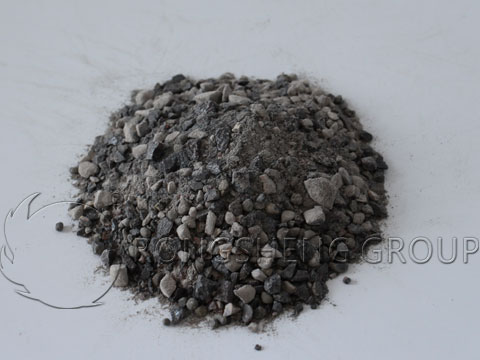
High-Quality Alumina Magnesia Refractory Castable

Free Quote

    Free Quote

    Your Name (required)


    Your Email (required)

    Your Phone

    Required Products (required)

    Enquiry Information

    Selection of Aggregates

    Aggregates serve as the structural framework within refractory materials. The alumina-based aggregates used in alumina-magnesia castables primarily include fused alumina, sintered alumina, and natural bauxite clinker.

    Studies comparing the effects of high-alumina bauxite clinker, high-purity fused corundum, and electro-fused bauxite-corundum on the properties of alumina-spinel castables have shown that castables utilizing fused high-alumina corundum exhibit the best flowability, while those based on bauxite-spinel demonstrate the poorest thermal shock stability.

    Research into the selection of aggregates for steel ladle alumina-magnesia castables—specifically comparing fused white corundum, brown corundum, and premium-grade bauxite clinker—indicates that samples containing brown corundum aggregates offer the best flowability. In terms of thermal shock stability, samples with white corundum aggregates perform best, followed by those with brown corundum, while samples using bauxite clinker perform the worst.

    An analysis of replacing “Grade 88” high-alumina material with “Grade 88” homogenized material, or with “Grade 85” homogenized high-alumina material, suggests that substituting higher-grade high-alumina materials with “Grade 85” homogenized material—specifically in the 3–1 mm and 1–0 mm aggregate fractions as well as the fine powder fraction—offers greater economic viability and feasibility.

    Selection of Corundum Fines

    The Al₂O₃ present in corundum fines can react with CaO in molten slag to form high-melting-point phases, specifically CA₂ and CA₆. Furthermore, alumina-rich spinel—which contains cationic vacancies—can capture FeO and MnO from the slag, forming (Mg, Fe, Mn)O·Al₂O₃. This process increases the SiO₂ content and the viscosity of the slag, thereby enhancing the material’s resistance to slag erosion and penetration.

    Research into the effect of alumina fines on spinel formation in alumina-magnesia castables has shown that when a castable contains reactive alumina, the magnesia acts as a substrate for spinel formation; the reactive alumina provides an abundant supply of Al₂O₃, which diffuses to form magnesium-rich spinel. Conversely, because sintered alumina possesses lower reactivity, the interdiffusion between alumina and magnesia requires more time. Given the nature of the contact interface during this diffusion process, alumina-rich spinel is formed, which offers superior slag resistance. Moreover, as sintered alumina is more cost-effective than reactive alumina, it is the more advantageous choice. Additionally, incorporating an appropriate amount of reactive α-Al₂O₃ micro-powder into alumina-magnesia castables increases the density of the material, further improving its resistance to slag. A high-purity alumina-magnesia castable bonded with ρ-Al₂O₃ was also developed; it was found that, compared to castables bonded with pure calcium aluminate cement, the matrix of the ρ-Al₂O₃-bonded castable is significantly purer, which extends the service life of the material.
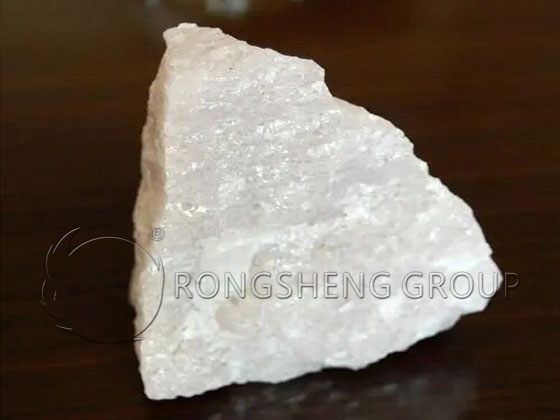
    Magnesia Alumina Spinel
    Magnesia Alumina Spinel

    Proportioning for Spinel

    The chemical formula for magnesium-aluminum spinel is MgO·Al2O3, with a theoretical composition of 28.3% MgO and 71.7% Al2O3. The proportioning used to synthesize magnesium-aluminum spinel—specifically the molar ratio of MgO to Al2O3—directly influences the properties of the resulting material. Magnesium-rich spinels, which typically have an MgO/Al2O3 molar ratio greater than 1, exhibit a relatively dense structure. In contrast, aluminum-rich spinels contain a higher density of intra-crystalline pores; this is likely due to the differing growth mechanisms occurring on the MgO-rich and Al2O3-rich sides during the spinel formation process. In industrial practice, the MgO/Al2O3 ratio for synthetic spinel is determined by its intended application. Magnesium-rich spinel is commonly used for the kiln linings of large-scale cement kilns. Aluminum-rich spinel is frequently combined with Al2O3-based raw materials to produce castables or precast shapes for large- and medium-sized steel ladles, as well as specialized components such as porous plugs and seating blocks. Meanwhile, bauxite-based spinel castables—synthesized from natural raw materials—are primarily used for small-scale steel ladle applications.

    Magnesia Content

    As the primary raw material for the in-situ formation of spinel in alumina-magnesia castables, magnesia (MgO) significantly influences the strength, volume stability, slag resistance, and thermal shock resistance of the specimens. Furthermore, because MgO is prone to hydration, the magnesia content also has a notable impact on the workability (construction properties) of the castables.

    Research into the effect of fine magnesia powder content on the slag resistance of alumina-magnesia castables indicates that as the amount of added magnesia increases, the material’s resistance to slag erosion decreases, while its resistance to slag penetration improves. However, an excessive amount of magnesia leads to a loose material structure, which ultimately results in a decline in overall slag resistance.

    Studies on the influence of fused magnesia content on the properties of unfired alumina-magnesia materials have shown that the reaction to form spinel begins at 1050°C. By adjusting the particle size and the quantity of added magnesia, it is possible to effectively prevent issues such as spalling, swelling, and slag penetration. Leveraging China’s abundant high-alumina bauxite resources—and taking into account the practical operational capabilities of small and medium-sized steel mills—refractory castables in the Al2O3-MgO system have been developed using premium-grade calcined high-alumina bauxite and fused magnesia as the primary raw materials. Research demonstrates that increasing the magnesia content within the matrix enhances the matrix’s resistance to erosion, though it simultaneously reduces the castable’s resistance to penetration.

    Silica Fume

    Silica fume has a significant impact on the properties of alumina-magnesia castables. Specifically, its inclusion can substantially reduce the required water content, inhibit the hydration of magnesia (periclase), enhance fluidity, and improve workability during installation. On one hand, silica fume can react with MgO, CaO, and Fe2O3 present in the material to form low-melting-point phases—such as anorthite, gehlenite, forsterite, and merwinite—which adversely affect high-temperature performance. On the other hand, it can be used to regulate the volume expansion associated with spinel formation and accelerate the spinel-forming reaction itself.

    Research into the relationship between silica fume content and the phase composition and properties of high-purity alumina-magnesia castables indicates that an excessive amount of silica fume leads to the infiltration of a liquid phase—formed at high temperatures—into the spaces between corundum, periclase, and spinel grains. This causes “over-firing” of the castable, resulting in cracking and spalling. Conversely, the addition of silica fume can enhance the cold strength of the castable across various temperature ranges and reduce its residual expansion. In the development of bauxite-based ladle castables—utilizing premium-grade bauxite and fused magnesia as primary raw materials and employing an MgO-SiO2-H2O bonding system—the amount of silica fume added should be minimized, with the limit being the point at which it would otherwise cause a significant increase in the water required for the mix.
      Get Free Quote

      Your Name (required)

      Your Email (required)

      Your Phone

      Required Products (required)

      Enquiry Information

      On-site Preparation Method for Refractory Mortar Used in Kilns and Furnaces

      Those familiar with refractory materials know that when installing refractory bricks or precast refractory shapes, the refractory mortar used must be of the same material composition as the bricks or shapes themselves. This is essential to prevent quality issues that could arise from material incompatibility. The construction of kiln linings may involve various types of refractory mortar—such as clay-based, high-alumina, or phosphate-bonded varieties. Consequently, all masonry work must adhere to the following requirements.

      Fireclay Mortar

      Fireclay mortar should be used when laying fireclay bricks, fireclay insulating bricks, or diatomite-based insulating products. In China, its properties must meet the requirements for grade NN-42 as specified in the national standard GB/T 14982, “Fireclay Mortar.”

      High-Alumina Mortar

      High-alumina mortar should be used when laying high-alumina bricks. In China, its properties must meet the requirements for grades LN-55B and LN-65B as specified in the national standard GB/T 2994, “High-Alumina Mortar.”

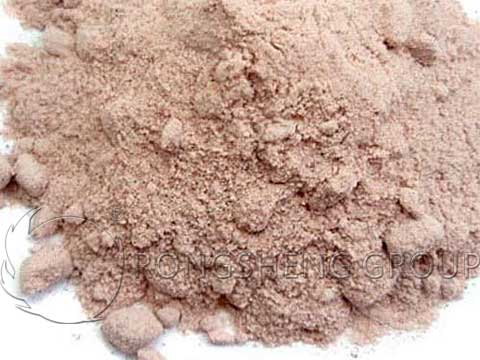
      High Alumina Refractory Mortar
      High Alumina Refractory Mortar

      Free Quote

        Free Quote

        Your Name (required)


        Your Email (required)

        Your Phone

        Required Products (required)

        Enquiry Information

        Refractory Castable Precast Blocks and Refractory Mortar for Furnace Roof Masonry

        When laying refractory castable precast blocks, a refractory mortar of the same composition as the blocks must be used, ensuring an appropriate mix ratio and consistency. For the construction of furnace roofs or other critical components, phosphate-based mortar or PA-80 high-temperature resistant mortar should be employed.

        Phosphate-based Mortar

        1) Mix Ratio.

        • The mix ratio for phosphate-based mortar must follow specified requirements. The performance specifications for the phosphoric acid used must comply with relevant standards.

        2) Preparation Method.

        • ① During preparation, pour the phosphoric acid into a warm (50°C–80°C) hide-glue solution according to the prescribed proportions and stir until well-blended. Then, add the high-alumina calcined powder (grog) in the required proportions, stirring continuously until the mixture is uniform.
        • ② Mixing may be performed mechanically or manually. For mechanical mixing, the duration for each batch should generally not exceed 5 minutes. For manual mixing, the material must be stirred continuously from the moment ingredients are added until the mixture is uniform.
        • ③ Aging (Maturation) Requirements. Once mixed, the phosphate-based mortar must undergo an aging process. If the aging temperature is between 20°C and 30°C, the aging duration should be no less than 4–24 hours. If the temperature is between 40°C and 60°C, the duration should be no less than 4–16 hours. This allows the phosphoric acid to fully react with impurities in the high-alumina calcined powder, ensuring that any generated gases are released. During the initial stage of aging, the reaction is vigorous and produces many air bubbles; therefore, frequent stirring is required. Once the number of air bubbles decreases, the mixture should be stirred once every 1–2 hours.
        • ④ Consistency Adjustment. To accurately control the consistency of the phosphate-based mortar and to become familiar with its working properties, a trial masonry test should be conducted to fine-tune the consistency.

        PA-80 High-Temperature Resistant Mortar

        1) Mix Ratio. The mix ratio for PA-80 high-temperature resistant mortar must follow specified requirements. The performance specifications for the materials used must comply with the relevant provisions of GB 201 “Aluminate Cement” and GB/T 2994 “High-Alumina Refractory Mortar.”

        2) Preparation Method. Mix the PA-80 high-temperature binder with the composite refractory powder in the specified proportions. After allowing the mixture to mature for 16–24 hours, incorporate the high-alumina cement—adding it in portions as needed for the immediate application—and mix thoroughly. The entire batch should be used at once; any mortar that has already set (cured) must not be used.

        Rongsheng Refractory Mortar for Sale
        Rongsheng Refractory Mortar for Sale

        Free Quote

          Free Quote

          Your Name (required)


          Your Email (required)

          Your Phone

          Required Products (required)

          Enquiry Information

          Particle size of the refractory mortar: Generally, fine-grained refractory mortar is used. The specific particle size may also be selected based on the thickness of the mortar joint, provided that the maximum particle size does not exceed 30% of the joint thickness.

          Methods and Construction Procedures for Using Refractory Mortar

          Refractory mortar is an essential construction material, widely used in the building and repair of equipment such as furnaces, kilns, and chimneys that operate in high-temperature environments. Composed primarily of refractory materials, it can withstand extreme heat, protecting equipment from damage caused by overheating. Consequently, following the correct application methods and construction procedures is crucial to ensuring the effectiveness of the refractory mortar.

          Before beginning construction, gather all necessary tools and materials. Refractory mortar typically consists of refractory clay, a binder, and water; the specific proportions should be adjusted based on the requirements of the project. The work site must be kept clean and tidy, free of any debris that could compromise construction quality. Additionally, the surfaces to be treated should be inspected to ensure they are dry and free of oil, grease, or dust, which helps improve the adhesion of the mortar.

          Next, thoroughly mix the refractory clay and binder according to the specified ratio. Gradually add water until the mixture reaches the desired consistency for application. Ensure the mortar is blended uniformly—either by hand or using a mechanical mixer—making sure there are no dry pockets or lumps. Once mixed, the refractory mortar should be used promptly to prevent it from losing its adhesive properties due to prolonged exposure.

          During application, spread the prepared refractory mortar evenly over the areas requiring repair or new construction. Use tools such as trowels or spatulas to ensure a uniform thickness and smooth, natural-looking edges. For complex areas, the mortar may be applied in layers to ensure overall density and structural strength. After application, it is advisable to provide initial curing—keeping the material moist while protecting it from excessive heat or rapid air-drying—to enhance its strength and fire resistance.

          Once the refractory mortar has fully dried, the final inspection and finishing steps are essential. Check the surface for flatness, cracks, or other defects to ensure the mortar will perform as intended. Furthermore, the refractory material should be subject to regular maintenance and inspection throughout its service life to ensure optimal performance and longevity. By following these meticulous construction steps and methods, the use of refractory mortar can achieve optimal results, providing a robust safeguard for various high-temperature equipment.

            Get Free Quote

            Your Name (required)

            Your Email (required)

            Your Phone

            Required Products (required)

            Enquiry Information

            Brand Name and Logo Upgrade !!!