Search for:
These are the Types of Erosion that Glass Furnace Refractory Suffers During the Production Process!

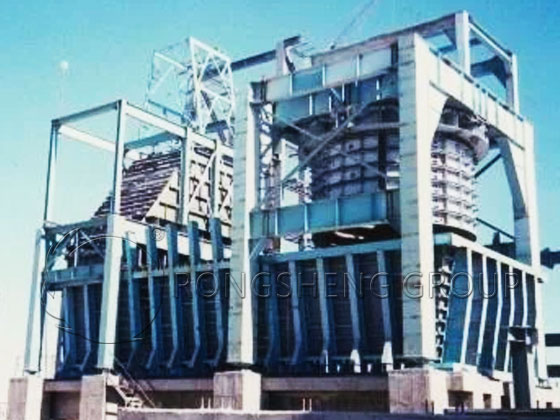
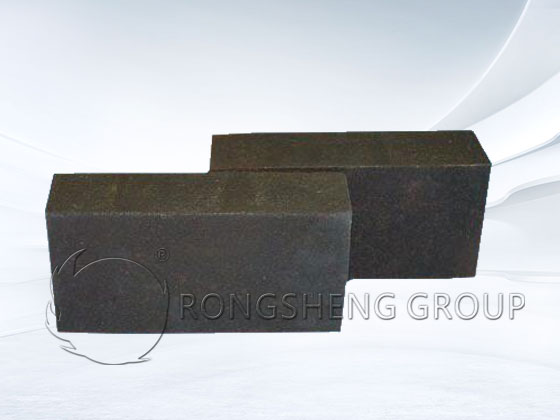
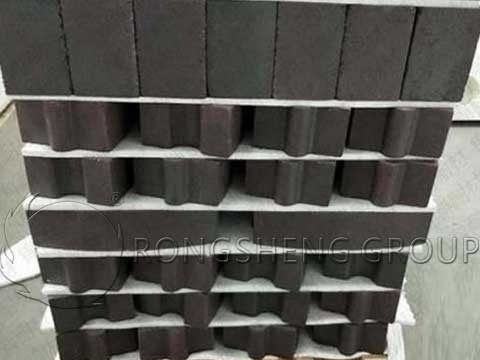
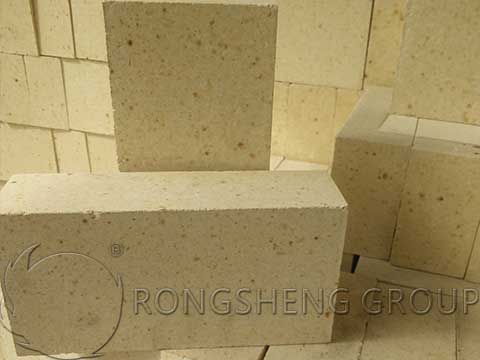
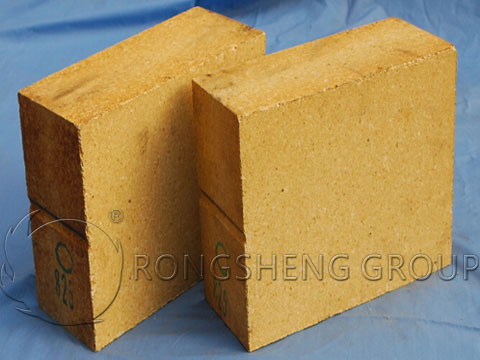
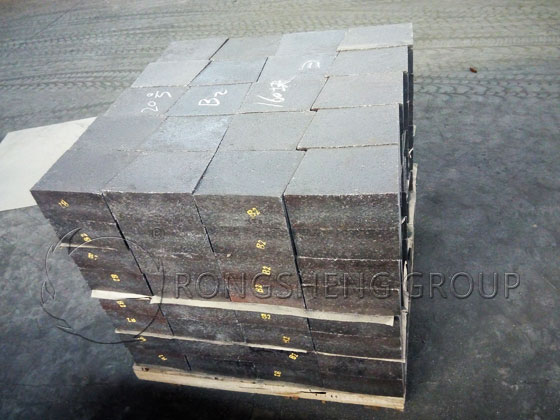
The types and materials of refractory materials used in the glass industry differ from those used in the steel industry. Glass furnace refractory are mainly divided into casting materials, silica materials, and magnesium metal materials, such as silica bricks, clay bricks, high-alumina bricks, sillimanite bricks, mullite bricks, fused mullite bricks, zirconia-corundum bricks, fused corundum bricks, and zirconium-containing refractory bricks, etc. When used in glass furnaces, refractory materials are severely damaged by high temperatures, flames, powder, atmosphere, airflow, and liquid flow, significantly affecting the furnace’s service life. The use of refractory materials in the furnace begins from the start of firing. Improper operation can cause significant, even severe, damage to the refractory materials, requiring special attention. The types of erosion that refractory materials in glass tank furnaces experience during production include:

Refractory Bricks for Glass Furnaces
Glass Furnace Refractory – Refractory Bricks

Free Quote

    Free Quote

    Your Name (required)


    Your Email (required)

    Your Phone

    Required Products (required)

    Enquiry Information

    Corrosion

    The powdered feedstock, molten glass, and flame gases within the kiln all corrode refractory materials at high temperatures. Soda ash, sodium sulfate, borates, fluorides, and oxides in the batch react with the refractory surface at high temperatures, forming eutectic or porous substances. These substances then continue to penetrate and diffuse into the brick body through the pores of the refractory material itself or through interfacial replacement reactions, gradually dissolving, peeling off, thinning, deteriorating, and recrystallizing the refractory material. The corrosion mechanisms of the various salts and compounds mentioned above are different; sodium sulfate is much more corrosive than soda ash.

    The corrosive effect of the powdered feedstock on refractory materials is mainly manifested in the erosion of the refractory material by the alkaline vapors emitted from the powder at high temperatures. Examples include the melting and corrosion of the surface of silica bricks, internal “rat holes,” and the de-nephelineization in checker bricks. Furthermore, ultrafine powder particles accumulate in the regenerator checker, forming nodules that block the checker pores, and in severe cases, causing the checker bricks to collapse and be damaged, requiring hot repairs. The corrosive effect intensifies with increasing temperature; every 50-60°C increase in melting temperature shortens the service life by approximately one year. The front wall, charging port, front space of the melting section, pool walls, small furnace, and upper grid of the regenerator are all susceptible to corrosion from the refractory powder.

    The corrosive effect of molten glass on refractory materials is much smaller than that of molten glass. The phase reaction at the interface between molten glass and refractory materials is complex. Molten glass first dissolves free SO₂ in the refractory material. Mullite dissolves at a slower rate, accumulating at the interface between the molten glass and refractory material. Although small mullite crystals dissolve, larger mullite crystals may even grow during use. After the refractory material is eroded, the molten material in contact with it gains SO₂ and Al₂O₃. The molten material then diffuses into the rest of the molten glass. During diffusion, the composition of the molten material changes, with increased SO₂ and alkali content, while β-Al₂O₃ crystals aggregate at the interface. Therefore, at the interface between the refractory material and the molten glass, the first layer is mullite, followed by the β-Al₂O₃ layer, and then the uncorroded refractory material. The dissolution of the refractory material increases the viscosity of the molten glass, promoting the formation of a more difficult-to-move protective layer on the refractory surface, thus reducing further erosion.

    Burn-off

    Under prolonged exposure to high temperatures, refractory materials can be damaged by melting (also known as burn-through) or softening and deformation. Localized overheating in a part of the kiln or insufficient refractoriness of the refractory material can cause it to melt. Sometimes, even if the refractoriness is acceptable, a low load softening temperature can lead to softening and deformation over long-term use, affecting the stability and service life of the entire masonry. The severity of burn-off depends on the temperature and the properties of the refractory material. Small furnace burner arches, small furnace legs, tongues, regenerator arches, melting section kiln arches, and breast walls are prone to burn-off.

    Cracking

    Cracking mainly occurs during the kiln firing stage. During firing, a temperature difference exists within the refractory bricks, generating corresponding mechanical stress. If the heating rate is too rapid, exceeding the allowable ultimate strength of the refractory material, cracks will appear, even breaking into fragments. Electrofused, highly sintered, dense refractory materials are most susceptible to damage. Besides stress caused by temperature differences, the expansion or contraction resulting from changes in the crystal structure of refractory materials also generates stress. When the temperature rises too quickly, the crystal structure changes rapidly, and the volume change is too drastic, generating excessive stress and causing the refractory material to crack. Therefore, the temperature must be increased according to a pre-defined firing curve during kiln firing. After firing, the refractory material is under high temperature for a long time, and its mechanical strength at this operating temperature is much lower than at room temperature. If the mechanical load acting on the refractory material is too large, it will undergo inelastic deformation (similar to the flow of a highly viscous liquid), leading to failure.

    Abrasion

    When molten glass flows along the refractory material, it has a “dripping water wears away stone” effect, grinding grooves into the refractory material; this is mechanical wear. The main wear area is at the surface of the molten glass. Additionally, it is also clearly visible in areas of circulating liquid flow (especially in turbulent areas). Wear is exacerbated by fluctuations in the liquid surface and changes in liquid flow (such as those caused by temperature fluctuations).

    Chemical Erosion

    Chemical erosion mainly includes the following four types:

    ① Erosion caused by the reaction between molten glass and refractory materials.

    This type of erosion is exemplified by the wall bricks of the pool that come into contact with molten glass. The most important type of glass is soda-lime-silica glass. Common bottle and jar glass and flat glass belong to this category. This type of glass is mainly composed of SO₂ (approximately 70%), Na₂O (approximately 15%), CaO (approximately 10%), and small amounts of Al₂O₃ and MgO. To improve the performance of the glass, oxides such as K₂O, L₂O, BaO, and PbO can be introduced based on soda-lime-silica glass. Although there are many types of glass, they can all be simplified to consider the SO₂ content, the alkali metal oxide (Na₂O + K₂O + L₂O) content, and the alkaline earth metal oxide (CaO + MgO + BaO) content. As long as the contents of these three oxides are basically the same, the chemical erosion effect on the refractory materials will also be basically the same. However, the chemical erosion of refractory materials by borosilicate glass differs from that of soda-lime-silica glass. Especially low-alkali or alkali-free borosilicate glass, which has a high content of acidic oxides and a high melting temperature, requires the use of special refractory materials.

    ② Erosion caused by the chemical reaction between glass batch dust and refractory materials.

    This chemical erosion mainly occurs in the upper structure of the melting pool and the regenerator in the furnace. The composition of batch dust varies in different locations. The batch dust near the charging port has a composition basically the same as that of the glass. Due to the high density of silica sand particles, the SO₂ content in the batch dust decreases the further away from the charging port. The amount of batch dust is related to many factors. For the same type of glass batch, the amount of dust is greatly related to the raw material density, particle size, and charging method. Adding water, pressing into cakes, or forming into balls can significantly reduce the amount of batch dust.

    ③ Chemical erosion caused by the reaction between volatiles in the glass batch and refractory materials.

    Volatile substances from glass and batch materials are present in the upper space of the furnace and the middle of the regenerator, chemically eroding the refractory materials in these areas. The volatile components are mainly compounds of alkali metal oxides and boron, as well as fluorides, chlorides, and sulfur compounds. These volatiles react chemically with the refractory materials not only in the gaseous phase but also condense into a liquid phase at low temperatures, reacting with the refractory materials. Sodium compounds, in particular, condense at 1400℃. These condensed liquids penetrate into the pores of the refractory materials through wetting and diffusion. This is especially damaging when the upper structure masonry has cracks or incompletely filled mortar joints.

    ④ Chemical erosion caused by the chemical reaction between fuel ash and combustion products and the refractory materials.

    When burning heavy oil and natural gas, ash is virtually non-existent. While V₂O₅ and NO severely corrode refractory materials, their content in heavy oil is generally very low, having little impact on furnace production. Sulfur in heavy oil and producer gas generates SO₂ during combustion, which reacts with R₂O in volatile components to form sodium sulfite. Sodium sulfite reacts strongly with refractory materials, and this influencing factor must be taken into account during glass production.

    Physical Erosion

    Physical erosion is highly dependent on time and temperature. The most significant physical erosion effects are the scouring action of the molten glass flow and the gravitational force of the refractory material under load. In high-temperature zones, the scouring action of the molten glass flow can multiply the rate of chemical erosion. In low-temperature zones, chemical erosion is minimal, with physical erosion primarily caused by the scouring action of the molten glass flow. In the high-temperature zone of the melting pool, the glass viscosity is low, and the flow is intense. This is especially true with the use of electric flux and bubbling, which further intensifies the flow. The combination of intense scouring and chemical erosion can cause significant damage to the refractory material. Gravity-induced damage mainly occurs in the regenerator checker bricks. With advancements in pool furnace technology, the height of the regenerator has increased, resulting in significant pressure from the checker bricks and grate arches due to the weight of the checker. When chemical erosion damages these checker bricks, stress concentration at the damaged areas leads to further collapse, ultimately causing the entire checker to collapse.

      Get Free Quote

      Your Name (required)

      Your Email (required)

      Your Phone

      Required Products (required)

      Enquiry Information

      Silica Mullite Bricks are Mainly Composed of These Four Raw Materials

      As an alumina-silica refractory material, silica mullite bricks possess superior thermal shock resistance, a high load softening temperature, and excellent erosion resistance, which are key reasons why they can be used in all sections of cement kilns except the firing zone.

      Rongsheng Silica Mullite Bricks Manufacturer
      Rongsheng Silica Mullite Bricks Manufacturer

      Free Quote

        Free Quote

        Your Name (required)


        Your Email (required)

        Your Phone

        Required Products (required)

        Enquiry Information

        Of course, compared to high-alumina bricks, the superior properties of silica-mullite bricks are due to the presence of silicon carbide components. Silicon carbide, as a non-oxide material, has excellent high-temperature mechanical properties, combining erosion resistance and thermal shock resistance. The main raw materials used in silica mullite bricks are as follows:

        High-Alumina Bauxite

        High-alumina bauxite is an important mineral resource with significant strategic and practical value worldwide. China has bauxite reserves of 2.5 billion tons, accounting for 2.4% of the world’s total, indicating abundant reserves. China’s bauxite is mainly of the gibbsite-kaolinite type. The ore has high Al₂O₃ and SiO₂ content and low Fe₂O₃ content, making it suitable as a refractory raw material. The mineral composition of high-alumina bauxite is mainly gibbsite and kaolinite. Gibbsite has the chemical formula AlO(OH), belongs to the orthorhombic crystal system, has a density of 3.3~3.5 g/cm³, and a Mohs hardness of 6~7. Kaolinite has the chemical formula Al₂O₃·2SiO₂·2H₂O, is a triclinic silicate mineral, and is also a type of clay mineral. It has strong water absorption, good plasticity, a density of 2.60~2.63 g/cm³, and a hardness of 2~2.5. The structural characteristics of high-alumina bauxite are described below.

        Currently, approximately 65% of refractory materials in my country are alumina-silicon-based products, and about 65% of these products use high-alumina bauxite as raw material. Therefore, high-alumina bauxite is an extremely important raw material for the production of Al2O3-SiO2-based refractory materials. The phase composition of high-alumina bauxite clinker consists of corundum, mullite, and cristobalite. Its chemical composition, bulk density, water absorption rate, and mineral uniformity have a decisive influence on the performance of the high-alumina refractory materials produced. High-alumina bauxite clinker is classified into nine grades according to its different physicochemical properties.

        Silicon Carbide

        Silicon carbide (SiC) is a covalent compound with atoms bonded by covalent bonds. Due to its strong covalent bonds, this material possesses excellent physical properties at both room temperature and high temperatures. Silicon carbide has high refractoriness, reaching 2600℃ in a reducing atmosphere. It has high hardness (Mohs hardness 9~9.5), high thermal conductivity (64.4 W/(m·K) at 500℃), and a low coefficient of thermal expansion of 5.68×10⁻⁶/℃ (1000~2400℃). It also possesses excellent resistance to corrosion, impact, and oxidation.

        Although silicon carbide has very good performance at both room temperature and high temperatures, it is extremely rare in nature. Industrially required silicon carbide is mainly synthesized artificially. There are five main methods for artificially preparing silicon carbide:

        • 1) Carbothermic reduction of silicon dioxide.
        • 2) Elemental synthesis of silicon carbide.
        • 3) Molten salt method for producing silicon carbide.
        • 4) Preparation of silicon carbide from gaseous compounds.
        • 5) Preparation using steam-liquid-solid phase methods, etc.

        Among these, silicon carbide used in the industrial production of refractory materials is often prepared using the SiO2 carbon reduction method. When reducing SiO2 with carbon in an electric resistance furnace, below 1250℃, the generated CO cannot oxidize silicon carbide. At higher temperatures, the generated CO then reacts with SiO2, further reducing SiO2 and precipitating free carbon on the crystal surface.

        When silicon carbide is introduced into aluminosilicate refractories, it partially oxidizes during firing to form SiO2, creating a glassy phase of a certain thickness on the surface of the product. Due to the oxidation of the surface silicon carbide, a weak reducing atmosphere is created inside the brick. The internal silicon carbide is activated and oxidized, generating SiO gas. When SiO diffuses to the interface, it is re-oxidized back to SiO2. This SiO2, along with other impurities, forms a glassy phase that blocks pores, inhibits further oxidation, and slows down erosion. In addition, some of the SiO2 generated by the oxidation of silicon carbide will also react with the excess Al2O3 in the material at a certain temperature to form mullite.

        Silicon carbide also possesses high thermal conductivity, which, when added, improves the material’s thermal conductivity. Furthermore, silicon carbide has a low coefficient of thermal expansion, very close to that of mullite, significantly reducing internal stress generated during rapid temperature changes. This greatly promotes the improvement of the material’s thermal shock resistance. On the other hand, excessive SiC oxidation leads to an excessively thick oxide layer. The oxidation process also generates SiO gas; increased internal gas production weakens the material’s internal structure, potentially damaging it. Excessive silicon carbide oxidation not only reduces the material’s density but also produces more SiO2, whose crystal transformation is highly temperature-sensitive, negatively impacting thermal shock resistance. Therefore, in certain operating environments, adding an appropriate amount of antioxidant is essential to prevent excessive SiC oxidation. One commonly used antioxidant is Si powder. Si, as an element, is highly reactive and oxidizes before SiC to form SiO2. Therefore, as the amount of Si added increases, the oxide layer thickness tends to decrease. However, when the amount of Si added continuously increases beyond 2%, the amount of SiO2 generated by its oxidation increases, leading to excessive secondary mullitization in the material, excessive volume expansion, resulting in a loose material structure, reduced bulk density, and increased porosity. Another commonly used antioxidant is metallic Al powder. Similarly, metallic Al powder will be oxidized to Al2O3 earlier than SiC, inhibiting silicon carbide oxidation. The Al2O3 and SiO2 generated by the oxidation of metallic Al and SiC respectively will begin the mullitization reaction at around 1400℃.

        Furthermore, adding metallic aluminum and elemental silicon simultaneously as antioxidants to the product is extremely effective in inhibiting the over-oxidation of SiC. Although elemental Si has a high melting point of 1414℃, its eutectic temperature with metallic Al is only 577℃. Therefore, when both are added as antioxidants in combination, a liquid phase is generated at a lower temperature, which is conducive to ion diffusion and transfer, thereby reducing the reaction formation temperature.

        Mullite-High-Silica Glass Multiphase Material

        Due to the low sintering temperature of clay clinker, its phase composition generally contains 10%–25% cristobalite. In the last century, foreign countries began to explore ways to dissolve cristobalite from aluminosilicate refractory clinker into the glass phase, resulting in mullite-high-silica glass multiphase materials with a mullite network structure, by focusing on preparation processes and the introduction of additives.

        Mullite-high-silica glass multiphase materials are a new type of refractory material composed of crystalline mullite and an amorphous silica-rich glass phase. They possess excellent properties such as a high load softening temperature, a low coefficient of thermal expansion, and excellent thermal shock resistance. Based on the content of alkali metal oxide impurities, mullite-high-silica glass multiphase materials can be divided into two main categories: high impurity content (R₂O 0.2%–2.0%) and low impurity content (R₂O < 0.2%). As a high-SiO₂ content mullite composite, its phase does not contain cristobalite. Furthermore, its tightly bound mullite network structure and high-viscosity silica-rich glass phase significantly improve the material’s performance at high temperatures, particularly its thermal shock resistance.

        A mullite-high silica glass multiphase material was prepared using natural kyanite mineral. The sintering temperature was 1500–1600℃, resulting in large mullite grains and a high mullite content. In this material, the mullite content was 75%–80%, and the glass phase was 20%–25%, with relatively uniform phase distribution. The prepared kyanite-based mullite had a bulk density of 1.99–2.11 g/cm³. However, its room-temperature compressive strength reached 163–264 MPa, significantly outperforming similar materials made from kaolin or high-alumina bauxite.

        By introducing appropriate additives, clay was calcined to produce a quartz-free mullite-high silica glass phase material. Experiments have shown that using potassium- and sodium-rich natural minerals like feldspar as additives is more beneficial for the synthesis of mullite-high silica glass phase materials. This is because these minerals enable clay to sinter at lower temperatures, are inexpensive and readily available, and help maintain the stability of the mixture’s composition. However, the amount added should not be too large, otherwise it will reduce the material’s refractory properties.

        Kyanite-based mullite (KBM) is a type of mullite-high silica glass multiphase material. In China, it is produced by using kyanite ore as the starting material, adding additives, wet grinding, pressure filtration, vacuum extrusion molding, and finally calcination at 1500℃~1650℃. Based on the different Al2O3 contents of the synthesized kyanite-based mullite, it can be divided into series such as KBM45, KBM50, KBM55, and KBM60.

        Among them, the basic raw material used for synthesizing KBM45 and KBM50 is low-grade kyanite ore with an Al2O3 content of about 45%. KBM50 incorporates a small amount of industrial alumina to adjust its composition, and its synthesis temperatures are 1500℃ and 1600℃, respectively. KBM55 and KBM60 use medium-grade kyanite ore with an Al2O3 content of approximately 50% as raw material. Different amounts of industrial alumina are added to adjust the Al2O3 content, along with different amounts of composite sintering aids. Their synthesis temperatures are 1600℃ and 1650℃, respectively. Partial physical properties of the four kyanite-based mullite raw materials are also described.

        Guangxi White Clay

        Guangxi white clay is a type of soft kaolin clay. Its main chemical components are: SiO2 content 45.3%~51.6%, Al2O3 content 26.0%~36.8%, Fe2O3 content 0.65%~2.20%, and K2O+Na2O <1.50%. The main mineral composition of Guangxi white clay is disordered kaolin, sometimes reaching 90%, followed by quartz, generally below 30%. It also contains trace amounts of ilmenite and other minerals. As a binder in refractory materials, Guangxi white clay possesses excellent fluidity, plasticity, and binding properties, making it the highest quality soft refractory clay discovered in my country to date. Guangxi white clay is widely used in the refractory materials industry, including in the production of clay-bonded castables, sprayed refractory materials, refractory bonding clays, and gunning compound additives.

          Get Free Quote

          Your Name (required)

          Your Email (required)

          Your Phone

          Required Products (required)

          Enquiry Information

          Refractory Materials for Aacid Slag-Based Electric Arc Furnace Linings

          In the high-temperature smelting process of an electric arc furnace with intense charge movement, the refractory lining of the furnace is an essential guarantee for the normal operation of the process. Based on the type of slag and the properties of the refractory materials used, electric arc furnaces can be divided into acidic slag electric arc furnaces and basic slag electric arc furnaces. Most of the aforementioned electric arc furnaces used in steelmaking are basic slag electric arc furnaces, with a slag basicity greater than 1. Since acidic slag does not have desulfurization and dephosphorization effects, the application of acidic slag electric arc furnaces is currently limited in my country. Currently, the furnace linings mostly use basic refractories with good resistance to basic slag, such as magnesia-carbon bricks and magnesia-chrome bricks. Therefore, my country produces a very large amount of basic slag as a byproduct each year. It is estimated that in 2019, the slag produced in my country’s electric arc furnace steelmaking production was approximately 0.2 billion tons. Such a large accumulation of slag, if not properly handled, could cause environmental pollution due to the heavy metals such as chromium, lead, and cadmium it contains, posing a significant potential threat to biological health and the balance of the ecological environment.

          Refractory Materials for Aacid Slag-Based Electric Arc Furnace Linings
          Refractory Materials for Electric Arc Furnace

          Refractory Materials for Lining Acidic Slag-Based Electric Arc Furnaces

          The slag in acidic slag-based electric arc furnaces is acidic, and the lining uses acidic or neutral refractory materials. Compared to basic slag, acidic slag is more environmentally friendly. When the SiO2 content in acidic slag is high, it forms acidic silicate slag with a microstructure similar to glass. This is an amorphous, non-crystallizing material that cools slowly, i.e., glassy slag (hereinafter referred to as “glass slag”). Some studies suggest that when amorphous silicate materials are corroded in an acidic environment, the inconsistent dissolution of oxides causes the silicate surface to form a silicon-rich protective layer. This fixes harmful metals in the slag, and the higher the degree of vitrification (amorphous material content), the better the fixation effect. This significantly reduces the risk of environmental pollution and harm to animal and plant health. Based on this characteristic, many industrial waste treatment processes, such as leather industry waste treatment and waste incineration fly ash treatment, are suitable for this high-temperature vitrification process, which is an effective method for fixing metal pollutants. Meanwhile, this glass slag can also be reused as a raw material for preparing microcrystalline glass. The vitrification process of acidic slag has been proven to be a successful example of the harmless treatment and reuse of waste resources.

          Acidic slag-based electric arc furnace smelting can be used for the recovery and harmless treatment of valuable metals in secondary resources. One very important smelting process is the electric arc furnace smelting of waste automotive exhaust purification catalysts. Waste automotive exhaust purification catalysts mainly consist of a carrier component (composed of oxides such as γ-Al₂O₃ or cordierite) and an active component (composed of three precious metals: platinum, palladium, and rhodium). After crushing and finely grinding the catalyst, it is mixed with trapping metals, flux, and a small amount of coke, granulated, and then smelted in an electric arc furnace. This utilizes the principle that trapping metals such as iron or copper have a strong affinity for platinum group metals in the catalyst at high temperatures (above 1420 °C). This process enriches the precious metal active components in the catalyst within the molten metal, while the catalyst support components, along with added fluxes such as SiO2 and CaO, form slag that enters the glass slag, achieving efficient and harmless recovery of valuable metal resources. Depending on the attractant and flux composition, the electric arc furnace operates at varying temperatures, reaching up to 1600 °C. At this temperature, the scouring motion of the furnace charge on the refractory material is quite intense. Furthermore, carbon is added during smelting to reduce the oxides of the target metal, creating a reducing atmosphere in the furnace, thus placing high performance requirements on the furnace lining refractory material of the electric arc furnace. Existing refractory materials have a short service life in the aforementioned electric arc furnaces; in pilot-scale small electric arc furnaces, the lining needs to be replaced approximately every two months, limiting the industrial application of this process. This paper addresses the problem of short lining service life in electric arc furnace smelting of acidic slag-based refractory materials, analyzing the mechanism of acidic glass slag corrosion of refractory materials. It also reviews the development and research of refractory materials suitable for high-temperature acidic slag-based electric arc furnaces both domestically and internationally in recent years. The feasibility of these materials in high-temperature acidic slag-based electric arc furnaces was analyzed, and the future development trend of refractory materials for acidic slag-based smelting furnaces was prospected.

          The Corrosion Mechanism of Acidic Glass Slag on Refractory Materials

          The corrosion of refractory materials by molten slag is a complex process involving many influencing factors. These include the chemical composition and pH of the molten slag and refractory materials, the viscosity and surface properties of the molten slag, the melting atmosphere, the physical properties of the refractory materials (porosity, high-temperature flexural strength, etc.), and the solubility limits of their components in the molten slag (i.e., the concentration of refractory components in the molten slag at saturation). Furthermore, unlike other melting furnaces, electric arc furnaces use a high-temperature electric arc to heat the furnace charge, and the resulting electromagnetic field significantly affects the properties of the molten slag. For example, it alters the wettability and penetration kinetics of the molten slag on refractory materials, influencing the formation and distribution of different phases, thus affecting the erosion of refractory materials by the molten slag. Currently, there is little research, both domestically and internationally, on the influence of the electromagnetic field of electric arc furnaces on the erosion of refractory materials by acidic glassy molten slag. The erosion of refractory materials by glass slag can be divided into two types: penetration erosion and chemical corrosion.

          Current Status of Research on Refractory Materials for Acidic Slag-Based Electric Arc Furnaces

          Currently, research on the slag erosion resistance of refractory materials largely relies on high-temperature erosion resistance tests to simulate the erosion of refractory materials by molten slag during industrial production, in addition to using refractory materials that have failed in actual industrial production. The quality of refractory material’s slag resistance is evaluated using indicators such as the rate of mass change before and after the test, the erosion rate of the molten slag, and the penetration rate. High-temperature erosion resistance tests can be divided into two types: static and dynamic methods. The difference lies in whether an external force is applied to keep the molten slag flowing relative to the refractory material. The most widely used static method is the static crucible method. This method requires simpler equipment and operation, and the molten slag only statically penetrates and dissolves the refractory material. It is suitable for refractory materials whose erosion is mainly caused by the dissolution of components in the molten slag. Dynamic erosion resistance tests are more suitable for refractory materials with more complex erosion processes.

          Application of Refractory Materials in High-Temperature Acidic Slag-Based Electric Arc Furnaces (1600 ℃)

          Based on the corrosion mechanism of acidic glassy molten slag (glass slag) on ​​refractory materials, and assuming their potential application in acidic slag-based electric arc furnaces, this paper reviews the research results on the resistance of several refractory materials (Al2O3-SiO2 materials, Al2O3-SiO2-ZrO2 composite materials, chromium-containing materials, densified zirconium (chromium)-containing materials, carbonaceous and carbide materials) to glass slag corrosion, summarizing their advantages and disadvantages. The feasibility of applying these refractory materials in high-temperature acidic slag-based electric arc furnaces (1600 ℃) was discussed, and the following conclusions were drawn:

          • (1) Al2O3-SiO2 refractory materials have poor high-temperature corrosion resistance and are not suitable for high-temperature acidic slag-based electric arc furnaces.
          • (2) Chromium-containing refractory materials have excellent resistance to glass slag corrosion, but due to the toxicity of Cr, which can easily cause environmental hazards, their use should not be expanded.
          • (3) Carbonaceous and carbide refractories have high thermal conductivity and poor insulation performance, which can lead to a significant increase in energy consumption of electric arc furnaces.
          • (4) Al2O3-SiO2-ZrO2 composite refractories have good resistance to glass slag corrosion, and the densification process further enhances their corrosion resistance. In addition, the feasibility of using 41# (containing 41% ZrO2) fused cast zirconia-corundum bricks in high-temperature acidic slag-based electric arc furnaces (1600 ℃) has been preliminarily demonstrated.

          Currently, with the gradual increase in public awareness of environmental protection and the strict implementation of national environmental protection policies, researchers will focus on improving and developing environmentally friendly and energy-saving refractory materials without affecting service life. The structure and properties of the slag in high-temperature acidic slag-based electric arc furnaces are similar to those of the glass melt in glass melting furnaces and other vitrification furnaces. The development of refractory materials for high-temperature acidic slag-based electric arc furnaces can fully draw on the industrial application experience of both. It is foreseeable that, represented by 41# fused cast zirconium corundum refractory, densified zirconium-containing materials with excellent resistance to glass melt corrosion will become a widely used furnace lining material for high-temperature acidic slag-based electric arc furnaces.

          Buy acidic refractory, acid resistant refractory from Rongsheng Refractory Factory. Please send the email to Rongsheng, and get free solutions and quotes for refractory furnace linings.

          Rongsheng Well Block Refractory Material – Quality Guaranteed

          A seat brick is a refractory brick installed at the bottom of a steel ladle to fix the nozzle brick. The well block refractory brick is square in shape, hence also called a square brick. Its functions are to fix the nozzle position, facilitate nozzle removal and installation, support the lower end of the stopper rod during pouring, and ensure that the stopper rod slides along the curved surface towards the nozzle after pouring to cut off the flow.

          Rongsheng Well Block Manufacturer
          Rongsheng Well Block Manufacturer

          Free Quote

            Free Quote

            Your Name (required)


            Your Email (required)

            Your Phone

            Required Products (required)

            Enquiry Information

            Application and Classification of Well Block Refractory Bricks

            Well block refractory bricks are mainly used in conjunction with nozzles in continuous casting tundishes. They are mostly used at the bottom of the ladle and tundish to protect the internal nozzles and permeable bricks. Well block refractory bricks have high corrosion resistance and are used in conjunction with zirconium sizing nozzles.

            Initially, well block refractory bricks could be made of clay, high-alumina, or unfired high-alumina materials. Later, well block refractory bricks were classified according to changes in the usage environment and the materials used:

            • (1) Al2O3-Cr2O3 well block refractory bricks. Original high-alumina well block refractory bricks had poor heat spalling resistance. Using corundum as the main raw material, adding appropriate amounts of alumina, spinel, chromium oxide, etc. to the matrix can produce Al2O3-Cr2O3 well block refractory bricks with good heat spalling resistance and strong corrosion resistance. This material has a long service life and can be used synchronously with the ladle. Currently, most well block refractory bricks used are Al2O3-Cr2O3 well block refractory bricks.
            • (2) Magnesia well block refractory bricks. Precast well block refractory bricks were prepared by adding fused corundum powder (below 1μm) and magnesium oxide to the original alumina base material. Because the material is an alumina castable containing magnesium oxide, the cement content is extremely low, increasing the service life by 40%. The main reasons are: the fine corundum powder containing magnesium oxide densifies the matrix, improving erosion resistance; the matrix density and low cement content increase the material’s high-temperature strength, enhancing its resistance to thermal shock and mechanical spalling; and the magnesium oxide and alumina in the matrix largely form spinel at high temperatures, thus inhibiting slag penetration and improving erosion resistance. The magnesia base bricks are precast, reducing brick joints and simplifying construction.
            Nozzle Well Block Refractory Bricks
            Nozzle Well Block Refractory Bricks

            Free Quote

              Free Quote

              Your Name (required)


              Your Email (required)

              Your Phone

              Required Products (required)

              Enquiry Information

              Characteristics of Nozzle Well Block Refractory Bricks

              1. High-Temperature Corrosion Resistance: Refining steel ladles requires extremely strict temperature and time control, often exceeding 1750℃.
              2. High-Temperature Abrasion Resistance: Forced stirring is used in various ladle refining methods, which severely impacts the high-temperature abrasion resistance of the well block refractory bricks.

              Well Block Refractory Bricks Installation

              Before installing the well block refractory bricks at the taphole, the bottom should be leveled with ramming material to ensure the taphole cylinder and the masonry layer are on the same plane. When laying separate well block refractory bricks, the mating surfaces of each brick must be evenly coated with mortar. The inner holes of the well block refractory bricks must be uniform; on-site correction is necessary if required to ensure proper installation of the taphole tube bricks. Considering that the well block refractory bricks consist of multiple pieces, ramming material should be filled from both sides simultaneously around the taphole well block refractory bricks to prevent rotation.

              Main Components of  Permeable Bricks, Nozzle Well Block Refractory Bricks, and Castables

              In the steelmaking industry, steelmakers commonly use refractory materials such as permeable bricks, nozzle well block refractory bricks, electric furnace covers, castables, guide sand, and magnesia-carbon bricks in their ladles and refining furnaces. These refractory materials differ significantly in their main components and additives. Chemically, refractory materials are composed of minerals, such as corundum, mullite, and magnesia. Their main components include alumina and magnesia.

              The main components of refractory materials are the matrix components that constitute their refractory properties and form the basis of their characteristics, directly determining the properties of the finished refractory product. For example, permeable bricks require high-quality ore and are manufactured through strict and reasonable processes to ensure that the service life of the permeable bricks used by steelmakers meets requirements. The main components of refractory materials can be oxides (alumina and magnesia, etc.) or elements or non-oxide compounds (carbon, silicon carbide, etc.).

              Based on the properties of their main components, refractory materials can be classified into three categories: acidic, neutral, and basic. Acidic refractories mainly contain acidic oxides such as silicon dioxide, with silicic acid or aluminum silicate as the primary components. They will form salts under high temperatures and alkaline conditions. Basic refractories mainly contain magnesium oxide and calcium oxide. Common refractory products include guide sand and ladle slide plates. Neutral refractories are strictly speaking carbonaceous and chromium-based refractories. High-alumina refractories (alumina content greater than 45%) tend towards acidic neutrality. Chromium-based refractories are alkaline but tend towards neutrality. Common high-alumina refractories include permeable bricks, nozzle well block refractory bricks, and electric furnace covers.

              Rongsheng Refractory Materials Factory researches, develops, produces, and sells permeable bricks, nozzle well block refractory bricks, castables, and other refractory materials. With patented formulas, unique designs, and strict adherence to every process standard, we provide high-quality refractory lining materials for high-temperature industrial furnaces. Contact Rongsheng to get free samples and quotes.

                Get Free Quote

                Your Name (required)

                Your Email (required)

                Your Phone

                Required Products (required)

                Enquiry Information

                Causes and Preventive Measures for Cracking in Glass Kiln Lip Bricks

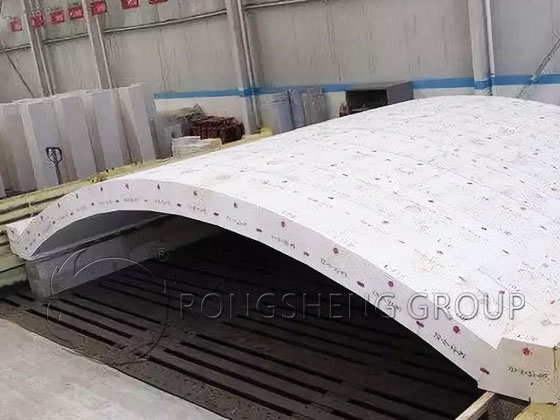
                Glass Kiln Lip Bricks are a relatively special type of irregularly shaped refractory material. Their service life is affected by every aspect, including the raw material composition, forming and manufacturing process, and assembly. Especially during the hammering and ignition processes, the bricks must withstand temperature differences of hundreds of degrees Celsius. Therefore, whether using a single brick or combining several lip bricks, cracking is a potential problem. The causes of cracking in lip bricks and preventative measures are listed below.

                Refractory Bricks for Glass Furnaces
                Refractory Bricks for Glass Furnaces

                Free Quote

                  Free Quote

                  Your Name (required)


                  Your Email (required)

                  Your Phone

                  Required Products (required)

                  Enquiry Information

                  • ① The brick material itself has low compressive strength, poor thermal stability, and a high coefficient of thermal expansion. When subjected to thermal shock, the tensile strength of the brick is less than the expansion thermal stress, causing it to break. To eliminate this factor, in addition to designing a good formula and selecting good materials, the contact surfaces between the fixing screws and the retaining iron used to fix the lip brick and the lip brick should be padded with flexible material, and the iron parts should not directly contact the brick body.
                  • ② The firing temperature is low, and the dehydration stage of crystal water is short. During the high-temperature dehydration process of the crystal water inside the brick body, the original structure is destroyed and new minerals are generated. To avoid this situation, in addition to avoiding components with a large amount of mineral structural water when determining the lip brick formula, the brick blank must be fully dried after casting before being fired in the kiln. Furthermore, the heat preservation time should be increased in the dehydration temperature range of crystal water according to the mineral composition.
                  • ③ The lip brick is backed by the tail brick, and there are fixing screws on the front and sides acting on the brick body. When heated, forces from four directions act on the local area of ​​the brick body. The fixing screws restrict the expansion and movement of the brick body, but they can also easily cause the brick body to crack under external forces. Preventive Measures: After the lip brick is fixed to the overflow port support, secure the support with jacking screws and bolts, but do not tighten it completely; leave an expansion gap. Then, heat it with fire, slowly raising the temperature to above 700℃ to allow the lip brick to fully expand. Tighten the jacking screws again before the lead-in.
                  • ④ Insufficient pre-use baking time prevents the removal of free water from the brick. To eliminate this factor, place the lip brick in a high-temperature environment before use to fully remove free water, or preheat the kiln during on-site construction.
                  • ⑤ Using deformed lip brick supports may cause cracks or even breakage of the lip brick. Therefore, deformed lip brick supports, especially those with deformed contact surfaces with the lip brick, should not be used.

                  Lip Brick Replacement

                  After a period of operation in a rolled glass production line, if defects appear in the glass due to erosion or wear of the lip brick, it needs to be replaced.

                  Before replacing the lip brick, it must be baked at a high temperature for at least 72 hours to remove free water remaining in the brick due to processing, transportation, or other reasons. Baking can be done using a natural drying method: the brick is placed next to the kiln, relying on the heat emitted by the kiln for baking. Because it is natural baking, it requires a long time and can only remove some free water, so the baking is not thorough. Alternatively, a preheating furnace baking method can be used. A kiln is built with refractory materials, and the lip brick is heated according to a heating curve, baked at 200-300℃ for 24 hours, and then assembled to the overflow port. After the calender is positioned and installed, the temperature is further increased to 1100℃ for the lead-in operation. This method requires specialized hoisting and installation tools. It is also more difficult to operate at high temperatures, but it ensures that the lip brick will not crack. Online baking can also be used: after the lip brick and calender are positioned and installed at the forming port, they are baked using a spray gun. This method uses gradual heating, allowing sufficient time for the free water and crystal water in the lip brick to be fully drained. This method reduces the probability of the lip brick cracking or even shattering.

                  Before replacing the lip brick, prepare the following tools: pipe wrench, Allen wrench, wrench, pliers, level, measuring tape, 1-3mm sheet metal, square timber, mullite fiber paper, etc.

                  When removing the lip brick from the calender, first use a sledgehammer and pneumatic hammer to remove the old lip brick. Then, use an electric scraper to clean the tail brick thoroughly, ensuring there is no residual glass or unevenness on the surface. After applying a 3-5mm thick layer of high-temperature mullite fiber paper to the contact surface of the tail brick, assemble the lip brick on the lip brick support as required, or install the lip brick already assembled on the support at the tail brick location. Finally, push the calender into position, check for any problems, and then slowly heat the lip brick to the guide plate with a spray gun to complete the replacement operation.

                    Get Free Quote

                    Your Name (required)

                    Your Email (required)

                    Your Phone

                    Required Products (required)

                    Enquiry Information

                    Splicing of Glass Kiln Lip Bricks

                    Glass Kiln Lip Bricks used in rolled glass forming can be made from a single piece or from several bricks joined together. The choice between a single brick and several bricks depends on many subjective and objective factors, such as brick quality, brick cost, production cycle, glass specifications, and operator skill level. The basic principle is to ensure product quality, prevent defects during use, and guarantee durability.

                    Glass Kiln Lip Bricks
                    Glass Kiln Lip Bricks

                    Free Quote

                      Free Quote

                      Your Name (required)


                      Your Email (required)

                      Your Phone

                      Required Products (required)

                      Enquiry Information

                      Solid Lid Brick

                      The length of the solid lip brick is determined by the length of the calendering roll. The advantages of using a solid lip brick are:

                      1. Not limited by glass specifications, meeting the cutting needs of various glass sizes;
                      2. Good stability during operation, with virtually no displacement or tilting;
                      3. Compact, stable, and robust assembly with the support structure.

                      The disadvantages are: It is prone to breakage, with severe cases showing 4-5 cracks. The brick is relatively long and heavy, and assembly and transportation are inconvenient due to space constraints.

                      Two Lip Bricks Joined Together

                      A set of lip bricks consists of two pieces joined together, each piece being half the length of the calendering roll.

                      The advantages of using two pieces are:

                      1. It distributes the various forces acting on the lip brick, reducing the probability of cracking;
                      2. Each brick is lighter, making assembly, transportation, and movement easier.

                      However, using two pieces together has many disadvantages, including:

                      1. It is difficult to guarantee the quality of the assembly, mainly due to larger joints between the bricks and the tendency for misalignment to occur on the upper surface of the lip brick, resulting in overall unevenness;
                      2. During operation, the brick joints often widen, tilt, shift, or even misalign;
                      3. The assembly process is time-consuming and labor-intensive.

                      There are three methods for splicing two lip bricks together:

                      • Method 1: Make semi-circular grooves downwards on both sides of the splicing surface of the lip bricks, 10mm from the top plane of the lip. After splicing the two bricks, the semi-circular grooves on both sides will form a circular hole. Fill the hole with mortar, ensuring it is completely filled. After fixing both sides, place it near the kiln and bake at high temperature for a period of time. At this point, the refractory mortar inside the hole will have dried and solidified. If the bricks expand when heated, the resulting cylindrical refractory material will not fall off, sealing the joint between the two bricks. Therefore, no air enters, reducing the release of air bubbles and minimizing the impact on the temperature of the surrounding molten glass.
                      • Method 2: Soak ceramic fiber paper (<1mm thick) in molten glass, then apply it to one side of the lip brick, and then align them together. After completion, bake it near the kiln.
                      • Method 3: Dry splicing. Join two well-fitting lip bricks together, ensuring the gap between them is less than 1mm, and then tighten them with screws on both sides before use.

                      Three-Piece Lip Brick Assembly

                      A set of lip bricks consists of three pieces joined together. The middle piece is 2-2.2m long, and each of the two ends has a lip brick joint of 250-350mm.

                      Advantages:

                      1. The two joints release more of the compressive force generated by the expansion of the lip bricks, reducing the probability of cracking.
                      2. The length of the middle brick can meet the production needs of various glass sizes.

                      Disadvantages:

                      1. The structure is unstable, making it difficult to guarantee the quality of the splicing. Misalignment on the upper surface of the lip bricks at the joints can make expansion and contraction of the glass difficult.
                      2. There is a possibility of tilting or displacement during operation.
                      3. More fastener installation work is required during online assembly, resulting in a longer cycle time.

                      Whether used as a single piece or in combination of multiple lip bricks, the lip bricks must be assembled, installed, and fixed to a support frame. Production lines using brick-making calenders initially employed online assembly. However, after a period of trial and error, it was found that online assembly was neither convenient nor guaranteed in terms of quality. Therefore, many companies now use offline assembly, where the assembled bricks are transported to the overflow port by a mobile trolley and installed at the outlet. Production lines using integrated brick-making calenders also use offline assembly, where the lip bricks are assembled and fixed to a support frame outside the production line, and then hoisted and installed as a whole onto the calender frame.

                      When assembling lip bricks, the upper flat working surface serves as the reference horizontal plane. By processing the brick material or adding leveling shims at the bottom, the lip brick is ensured to be horizontal, with its contact surface with the tail brick perpendicular to the horizontal surface. The joint between lip bricks must be straight and as small as possible, less than 1mm after assembly. There should be no misalignment of the lip brick tips; the tips should be kept in a straight line along the tangent direction. The curved surfaces of the assembled bricks must be on the same plane, without any misalignment or stepped formations. Mullite fiber paper must be used to separate the lip brick from the tail brick, the lip brick from the edge brick, and the lip brick from the support. The center longitudinal direction of the lip brick should be aligned with the production line, the tangent direction parallel to the edge, and the normal direction perpendicular to the top plane of the lip brick.

                      Online assembly of lip bricks involves high-temperature operation in a confined area. Besides the long operation time (approximately 1-2 hours), the assembly quality of the lip bricks and supports, and the supports and calenders, is inferior to offline assembly. It also negatively impacts the kiln temperature regime.

                      Offline assembly offers a better working environment, lower labor intensity for workers, and doesn’t interfere with brick-changing time. It allows ample time and space for assembly, enabling precise positioning of the lip brick’s front-to-back and left-to-right spacing with the rollers. If bricks or steel components are unsuitable, they can be processed offline, ensuring the assembly quality of the lip bricks and supports, and the supports and calenders, saving brick loading time. Brick changing can be completed quickly with minimal kiln temperature changes, facilitating rapid production recovery. However, once the integrated brick-making calender is positioned, the relative position of the tail brick cannot be moved, lacking a means to handle defects. In actual production, damage can occur on both sides during the lead-in operation, especially for those accustomed to using a pull-in lead-in system. Once the edge is damaged, the machine must be replaced, and the tail brick must be replaced along with the lead-in brick. Separating the lip brick and tail brick involves long working hours, a poor working environment, and high labor intensity. The heat-resistant steel lip brick support integrated with the brick machine has poor deformation resistance, is prone to bending at high temperatures, and is difficult to restore for reuse after deformation, resulting in waste.

                        Get Free Quote

                        Your Name (required)

                        Your Email (required)

                        Your Phone

                        Required Products (required)

                        Enquiry Information

                        Lip Bricks for Rolled Glass Production

                        Lid bricks used in rolled glass production are classified into various types based on their material, including low-porosity clay, zircon mullite, α-β corundum, sillimanite, and fused silica. Currently, most solar rolled glass production lines use lip bricks made of zircon mullite, sillimanite, and α-β corundum.

                        Rongsheng Zircon Mullite Bricks
                        Rongsheng Zircon Mullite Bricks

                        Free Quote

                          Free Quote

                          Your Name (required)


                          Your Email (required)

                          Your Phone

                          Required Products (required)

                          Enquiry Information

                          Zircon-Mullite Lip Bricks

                          The main components of zircon-mullite lip bricks are ZrO₂≥6%, Al₂O₃≥75%, SiO₂≤18%, and Fe₂O₃≤0.5%. They are made from industrial alumina (or high-alumina bauxite) and zircon as raw materials, mixed, shaped, dried, and then fired at high temperatures in a shuttle kiln using a reaction sintering process. Zircon-mullite lip bricks possess a dense crystal structure, high mechanical strength at high temperatures, good wear resistance, good thermal shock stability, low reheat shrinkage and high-temperature creep, and extremely high chemical stability and resistance to alkaline media erosion. Their room temperature compressive strength is ≥100MPa, load softening start temperature is ≥1670℃, bulk density is 2.8g/cm³, and air cooling performance is ≥10 cycles. Due to their good wear resistance, long service life, short debubbling time, and minimal impact on the forming after lip wear, zircon-mullite lip bricks offer high cost-effectiveness. Therefore, it is increasingly used in solar rolled glass production lines.

                          Rongsheng Sillimanite Bricks for Glass Kilns
                          Rongsheng Sillimanite Bricks for Glass Kilns

                          Free Quote

                            Free Quote

                            Your Name (required)


                            Your Email (required)

                            Your Phone

                            Required Products (required)

                            Enquiry Information

                            Sillimanite Lid Bricks

                            Sillimanite, with the molecular formula Al₂O₃·SiO₂, has a theoretical chemical composition of 62.93% Al₂O₃ and 37.07% SiO₂. Typically, sillimanite’s mineral composition contains ≥55% Al₂O₃, ≤37% SiO₂, and ≤5% Fe₂O₃, TiO₂, CaO, MgO, Na₂O, K₂O, etc., making it a high-quality, high-alumina raw material. Sillimanite undergoes irreversible transformation into 83.96% mullite (3Al₂O₃·2SiO₂) and 16.04% silicate glass phase during high-temperature sintering at 1500–1750℃, a process known as sillimanization. Mullite-treated sillimanite can be used to prepare high-density clinker with a porosity of less than 3%. This clinker, after being pulverized, can be used to make refractory materials, including lip bricks. Lid bricks made of sillimanite can be used in high-temperature operations up to 1650℃, and have advantages such as high high-temperature strength, low porosity, good volume stability and thermal shock resistance, and resistance to molten glass corrosion. Therefore, sillimanite lip bricks are also used in solar rolled glass production lines.

                            α-β Alumina Bricks
                            α-β Corundum Bricks

                            Free Quote

                              Free Quote

                              Your Name (required)


                              Your Email (required)

                              Your Phone

                              Required Products (required)

                              Enquiry Information

                              α-β Corundum Lip Bricks

                              Corundum lip bricks are made from raw materials containing ≥94% alumina, ≤1.2% Na₂O, and ≤0.02% Fe₂O₃, through high-temperature alumina melting and casting in an electric arc furnace at temperatures above 2000℃. α-β corundum products consist of α-alumina and β-alumina, with their interlocking crystals forming a very dense microstructure, exhibiting excellent alkali resistance. In temperature ranges below 1350℃, its resistance to glass melt erosion and scouring is better than that of zirconia corundum bricks, possessing excellent mechanical strength and a long service life. Because it contains almost no impurities such as Fe₂O₃ and TiO₂, the matrix glass phase is extremely low, with a porosity ≤2% and a bulk density of 3.4 g/cm³. It produces very few bubbles or other foreign matter when in contact with molten glass, making it the best material for producing lip bricks. However, α-β corundum lip bricks suffer from poor thermal stability, are prone to cracking, and are expensive, limiting their widespread use in solar rolled glass production lines.

                              Regardless of the lip brick material, its appearance quality must meet the following requirements: the upper surface must be smooth and flat, free of molten holes. The lip brick edge must not have cracks, not gaps, or defects. The working surface and all contact surfaces must be finely ground to a precision of ±0.5mm, and the lip brick’s curvature must be consistent.

                              Processing Before Lip Brick Assembly

                              After the lip bricks arrive at the rolled glass manufacturing plant, if their length exceeds the required length or their surface is not smooth, they need to be processed to the required size using a cutting machine or ground.

                              • ① First, cut the lower edge of the lip brick. This should be done gradually and repeatedly to ensure a smooth, flat surface with good curvature.
                              • ② When processing the upper surface of the lip brick, it should also be done gradually and repeatedly to ensure a smooth, flat surface.
                              • ③ The bottom of each lip brick must be flat to maintain the stability of the lip brick and the brick frame support.
                              • ④ After pre-assembling the lip bricks, ensure that the contact area between the lip brick tips is less than 1mm. If the connection is not tight, grinding is required. The back of the lip brick should be as tight as possible while ensuring a tight fit, requiring a gap of less than 1.5mm.
                              • ⑤ Ensure that the inner dimensional tolerance of the lip brick is no greater than 5mm.
                              • ⑥ Based on the condition of the lip brick, use an aluminum alloy ruler and ink lines to clearly mark the areas where the lip brick tips will be processed. ⑦ Place the processed lip bricks near the kiln and bake for at least 72 hours.
                              • ⑧ Secure the baked lip bricks with clamps on a lip brick support, install the edge bricks, and fix them in place.
                              • ⑨ Precautions for processing lip bricks:
                                1. When cutting lip bricks, leave approximately 5mm of length for processing.
                                2. Use a pneumatic brick grinder for rough processing, and an electric angle grinder with a diamond wheel for fine processing.
                                3. When processing the contact surface of the lip brick, repeated up-and-down finishing is required. Be careful to control the force applied; do not use excessive force.
                                4. When high precision is required for the contact surface of the lip brick, it must be manually ground with a whetstone; do not use an electric angle grinder.
                                5. When using a pneumatic angle grinder, pay attention to the orientation of the lip brick to prevent small brick pieces and dust from directly hitting your face. Wear protective gear to prevent facial injury.
                                6. Handle lip bricks gently, ensuring the lip tip does not touch the ground. Lay cardboard on the ground to prevent damage.
                                7. Because lip brick processing is delicate work, it takes one to two days. Therefore, the processing of lip bricks must be carried out in a timely manner so that they can be installed and used immediately once the calendering machine is replaced.

                              Buy high-quality glass kiln lip bricks, such as zircon mullite bricks, sillimanite bricks, α-β Corundum Bricks, etc. Fused AZS Bricks for glass kiln, please feel free to contact Rongsheng Refractory Factory now!

                                Get Free Quote

                                Your Name (required)

                                Your Email (required)

                                Your Phone

                                Required Products (required)

                                Enquiry Information

                                Production Process of Mullite-Sillimanite Bricks

                                Rongsheng Refractory Factory lists several production processes, formulas, and molding techniques for mullite refractory brick products. (For reference only)

                                Mullite-Sillimanite Bricks

                                Using Shandong calcined shale as aggregate, sillimanite, high-alumina bauxite, and binding clay as fine powders, and sulfite pulp waste liquor as a binder, mullite-sillimanite ceramic kiln furniture can be manufactured.

                                The raw material composition is as follows: 55% calcined shale clinker particles <3mm; 45% finely ground sillimanite, high-alumina bauxite clinker, and binding clay (<0.088mm). (Of which: 10% sillimanite, 22% high-alumina bauxite, 13% clay); 3% water; 1% sulfite pulp waste liquor (density 1.2g/cm3).

                                Particle size distribution (%): >5mm, 3; 5~2mm, 25; 2~0.5mm, 24; 0.5~0.088mm, 9.5; <0.088mm, 38.5; Moisture 9.0.

                                The order of adding materials for clay mixing is: granular material, binder and water, then fine powder. Mixing time is 10 minutes.

                                After drying, the green body is fired in a downdraft kiln at 1370℃.

                                The physicochemical properties of the product are as follows: Al₂O₃ 51.9%, SiO₂ 43.9%. Apparent porosity 23%, bulk density 2.27 g/cm³. Compressive strength 38.2 MPa, load softening temperature 1520℃. Thermal shock resistance (1100℃, water cooling) > 20 cycles.

                                Mullite-sillimanite bricks, used as pusher bricks in a ceramic pusher kiln, show no deformation or wear after approximately 25 uses.

                                Sillimanite Bricks
                                Sillimanite Bricks

                                Free Quote

                                  Free Quote

                                  Your Name (required)


                                  Your Email (required)

                                  Your Phone

                                  Required Products (required)

                                  Enquiry Information

                                  Sillimanite Bricks

                                  Sillimanite bricks can be manufactured using synthetic mullite, high-alumina bauxite clinker, and coke clinker as aggregates, with Jixi sillimanite as the matrix, employing equipment and processes used for clay brick production.

                                  The raw material proportions are as follows: sillimanite 45-50%, mullite + coke clinker + Grade II high-alumina bauxite 35-50%, Grade I high-alumina bauxite 5-10%, and clay 5-10%. The above raw materials are weighed according to the proportions and mixed in a mixer. Granular materials are added first, followed by the binder, and after thorough mixing, fine powder is added and mixed for 10 minutes. The moisture content of the clay is controlled at 3-3.5%.

                                  Sillimanite bricks are formed using a friction brick press with a capacity of 300t or higher, with the green body density controlled at 2.53g/cm³ or higher. The formed green bodies are then dried in a tunnel drying kiln. The drying kiln inlet temperature is 40-50℃, and the outlet temperature is 150-200℃. Drying time is 8-10 hours, with residual moisture not exceeding 0.5%. The firing temperature of the sillimanite bricks is 1350-1400℃, with a holding time of 8-10 hours.

                                  The main physicochemical properties of the sillimanite bricks are as follows: Al₂O₃ 61.45%; SiO₂ 35.15%. Apparent porosity 15.3%; bulk density 2.58 g/cm³. Compressive strength at room temperature 123.4 MPa; linear change after reheating at 1500℃ for 2 hours +0.17%; creep rate at 1450℃ for 50 hours 0.72%; thermal shock resistance (1100℃ to water cooling) greater than 15 cycles.

                                  Sillimanite Rotary Tube

                                  The rotary tube is the main working component of a glass tube drawing machine. Its working conditions are harsh; it must withstand the erosion and scouring of molten glass at 1150℃, and it must also operate while rotating. Therefore, the product must possess strong resistance to molten glass corrosion.

                                  Sillimanite rotary tubes can be manufactured using Shandong premium grade coke as aggregate, and Jixi sillimanite and purple clay as fine powders.

                                  The ingredient ratio is as follows: coke 60-65%, sillimanite 20-30%, clay 5-10%, plus 1.5% sulfite pulp waste liquor and 4% water.

                                  The mixture is kneaded in a wet mill, with the following order of addition: coke, water, sulfite pulp waste liquor, clay, and sillimanite. The kneading time is 10 minutes. Clay particle size (%): >0.84mm 13-18, 0.84-0.50mm 15-20, 0.50-0.08mm 20-25, <0.08mm 40, Moisture 6%.

                                  Formed by pneumatic hammer tamping, with a working air pressure of 0.39-0.49 MPa. After drying, the residual moisture content of the green body is <1%. The product is fired in a down-draft kiln at a maximum firing temperature of 1370℃ for 48 hours.

                                  The physicochemical properties of the product are as follows: Al₂O₃ 49%, SiO₂ 47%. Apparent porosity 15.7%, load softening temperature 1550℃. Room temperature compressive strength 149.7 MPa. The product is ready for use after polishing.

                                  Sillimanite Bowl

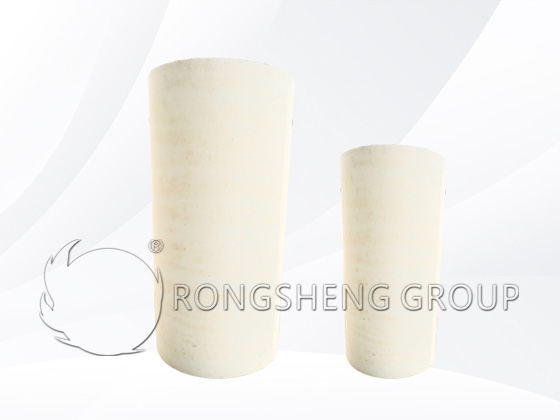
                                  The bowl is the main working component at the bottom of the clarification tank of a glass melting furnace, used for the outlet of molten glass used to produce bottles and jars. Sillimanite bowls can be manufactured using sillimanite concentrate and clay as raw materials.

                                  The raw material ratio is as follows: sillimanite concentrate 3-0.5mm 30-40%, 0.5-0.088mm 20-30%, <0.088mm 20-30%; clay 8-12%, plus 3% sulfite pulp waste liquor.

                                  Mixing is carried out in a mixing mill. According to the clay ratio, first add granular materials and dry mix for 1 minute, then add binder and mix for 3 minutes, then add fine powder and mix for 4-6 minutes. The clay moisture content is controlled at 3-3.5%. The green body is formed under a pressure of 14.7 MPa, dried at 40-60℃ for 3-4 days, and fired at 1450℃.

                                  The main physical properties of the product are as follows: apparent porosity 22.5%, bulk density 2.07 g/cm³, room temperature compressive strength 83 MPa, load softening temperature 1320℃, and thermal shock resistance (1100℃, water cooling) 18 cycles.

                                  Sillimanite Balls

                                  Sillimanite filler balls for blast furnace hot blast stoves can be manufactured using high-alumina bauxite clinker and Jixi sillimanite concentrate as raw materials, and soft clay and sulfite pulp powder as binders.

                                  The raw material ratio is as follows: high-alumina bauxite clinker particles, 0.9-0.5mm, 55%; high-alumina bauxite clinker fine powder, <0.074mm, 15%; sillimanite fine powder, <0.045mm, 20%; binder clay fine powder, <0.074mm, 10%; and added pulp powder, <0.28mm, 5%.

                                  The sillimanite fine powder, high-alumina bauxite clinker fine powder, and clay fine powder are ground together in a vibratory mill for 10-15 minutes according to the ratio. Mixing is carried out in a wet mill. First, add the high-alumina bauxite clinker, then add an appropriate amount of water, mix for 2-3 minutes, and then add the pulp powder. After mixing for 1 minute, add the fine powder and mix for another 7-10 minutes, maintaining a moisture content of 5-17%. Dry the shaped green body at 60-80℃ for 8-10 hours, ensuring residual moisture is <2%. Firing temperature is 1500℃, held for 10-12 hours.

                                  Main physical properties of the product: Apparent porosity 25.41%, bulk density 2.45 g/cm³, room temperature compressive strength 54 MPa, softening temperature under load 1450℃, thermal shock resistance (water cooling at 1100℃) >30 cycles.

                                  Rongsheng Andalusite Bricks Supplier
                                  Rongsheng Andalusite Bricks Supplier

                                  Free Quote

                                    Free Quote

                                    Your Name (required)


                                    Your Email (required)

                                    Your Phone

                                    Required Products (required)

                                    Enquiry Information

                                    Andalusite Bricks

                                    Andalusite bricks, made from andalusite as aggregate and high-alumina bauxite clinker, sillimanite, and fine clay powder as matrix, can be used to manufacture torpedo iron ladles.

                                    Andalusite is crushed and graded for later use. High-alumina bauxite clinker and clay are mixed and ground finely in a vibrating ball mill. The raw material ratio is as follows: andalusite 50-55%, sillimanite 15-25%, high-alumina bauxite 15-20%, and clay 5-10%. The mixture is kneaded using a roller mill, adding large and medium particles first and dry-mixing for 2-3 minutes, then adding the binder and co-ground powder, with a total kneading time of 15 minutes.

                                    The particle size distribution of the clay is: 3-2mm 25%, 2-1mm 15%, 1-0.5mm 6.5%, 0.5-0.088mm 10.5%, <0.088mm 43%. After being conditioned for 25 hours, the clay was formed using a 630t friction brick press, resulting in bricks with a density of 2.65-2.75 g/cm³. The finished bricks were dried and then fired in a tunnel kiln at a maximum firing temperature of 1350℃ for 8 hours.

                                    The main physical properties of the finished bricks are: bulk density 2.48 g/cm³, apparent porosity 13.7%, room temperature compressive strength 110.8 MPa, load softening temperature 1560℃, creep rate (1350℃, 50h) 15%, reheat linear change (1450℃, 2h) 0.07%, and thermal shock stability (1100℃ water cooling) >30 cycles.

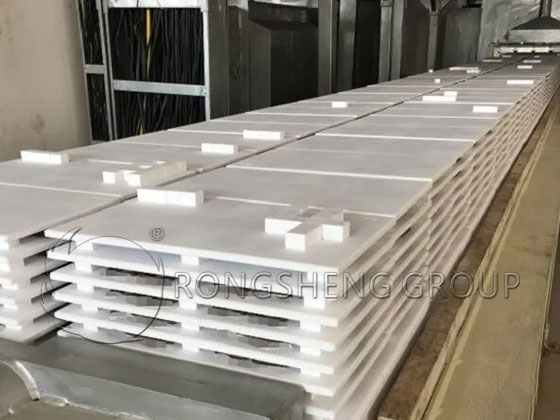
                                    Sillimanite-Silicon Carbide Shelving Bricks

                                    Sillimanite-silicon carbide shelving bricks can be manufactured using silicon carbide sand as aggregate, sillimanite and clay as matrix, and sulfite pulp waste liquor as binder. The formula is as follows: silicon carbide (grade 1) 50-65%, sillimanite 15-35%, clay 10-15%. The particle size distribution of the clay is as follows: 3-2mm 12-20%, 2-1mm 15-24%, 1-0.5mm 10-12%, 0.5-0.088mm 20-25%, <0.088mm 30-35%.

                                    The clay is mixed in a mixing mill. The feeding sequence is: first add silicon carbide particles, then add sulfite pulp waste liquor, mix evenly, and then add the mixed fine powder. Continue mixing for 10 minutes before discharging. The moisture content of the clay should be controlled at 3-4%.

                                    The molding process is carried out on a 500t hydraulic press, with a green body density of not less than 2.65 g/cm³. The green body is dried at 40℃ for 3 days, with residual moisture content less than 1%. Firing can be carried out in a down-draft kiln at 1430℃, with a holding time of 8-16 hours and a total firing time of 90 hours.

                                    The physical properties of the sillimanite-silicon carbide kiln floor bricks are as follows: apparent porosity <21%, bulk density 2.30-2.35 g/cm³, compressive strength >35.2 MPa, load softening temperature >1520℃, and thermal shock resistance (1100℃, water cooling) >8 cycles.

                                    This product can be used as floor bricks in ceramic tunnel kilns fired at 1370℃. It exhibits good thermal conductivity, thermal shock resistance, oxidation resistance, simple production process, and low cost, and can replace high-alumina floor bricks.

                                      Get Free Quote

                                      Your Name (required)

                                      Your Email (required)

                                      Your Phone

                                      Required Products (required)

                                      Enquiry Information