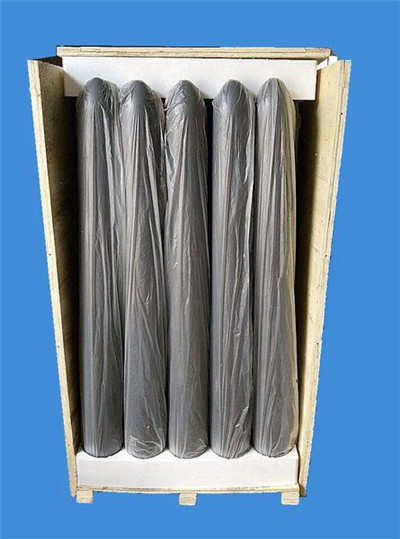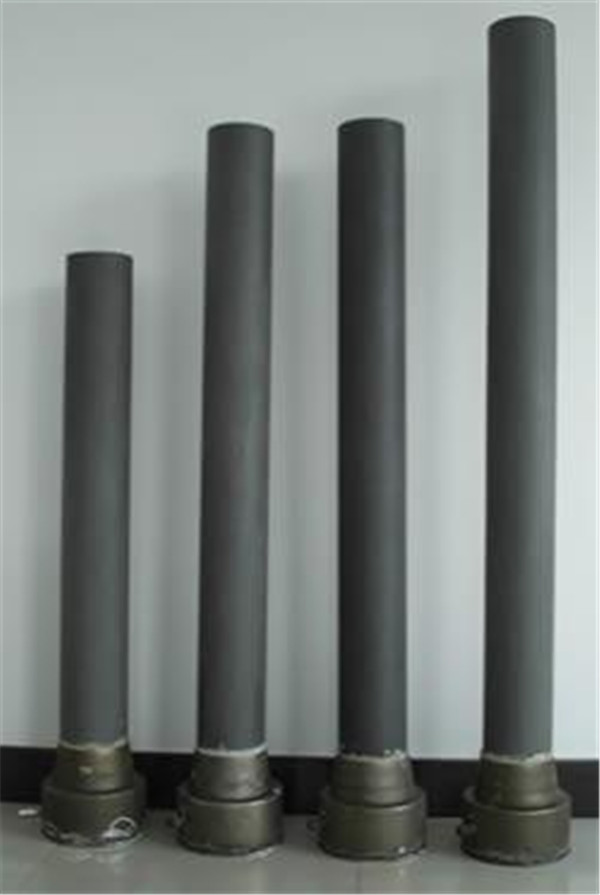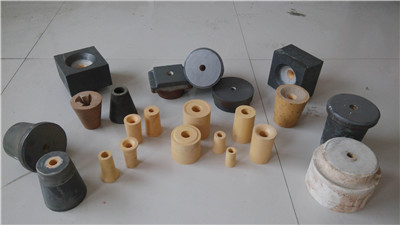
Continuous Casting System Stopper

Continuous Casting System Stopper description

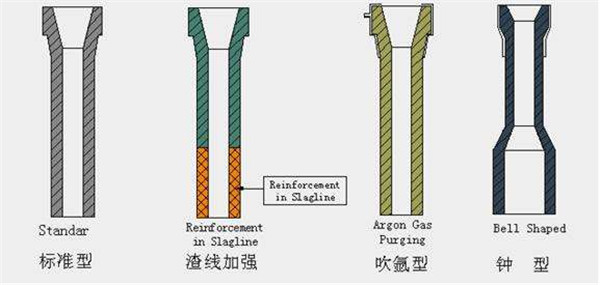
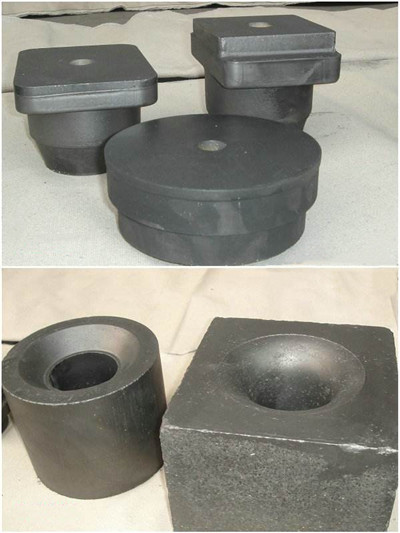
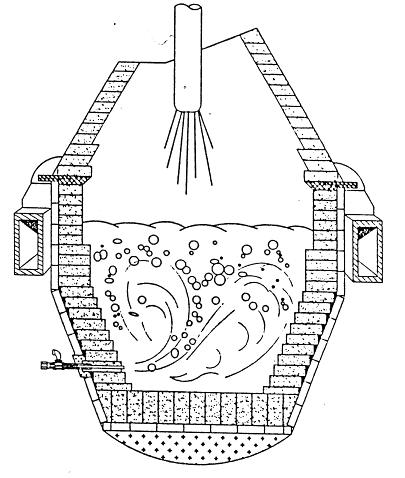
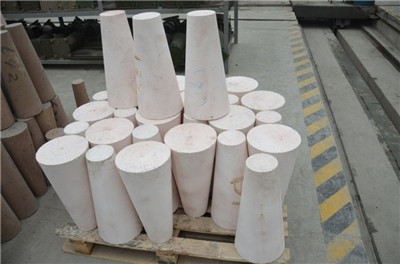
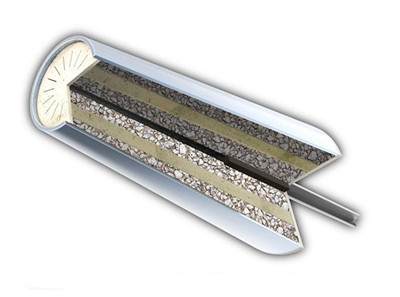
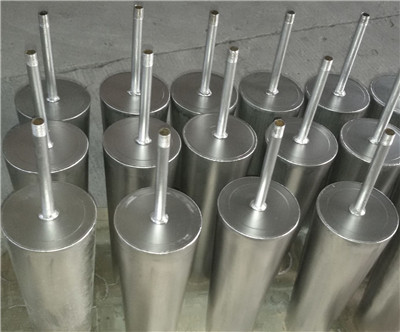
Continuous casting system stopper is installed above tapping nozzle. Through adjusting the gap between stopper and nozzle, steel liquid flowing speed can be controlled. The earliest sleeve bricks of stopper are high alumina bricks or clay bricks. Stopper end is made by alumina carbon refractory. They need to assemble with steel structural controlling rod for using. The service life of combined stopper is not very high, usually less than 6 hours. The main damage reasons of stopper are: On one hand, steel structure is softened in long term high temperature environment and loses controlling effect, on the other hand, sleeve brick is corroded too quickly. To solve this problem, steel controlling rod should have good high temperature performance, sleeve brick should have excellent corrosion resistance and stopper end should properly match with nozzle bowl part.
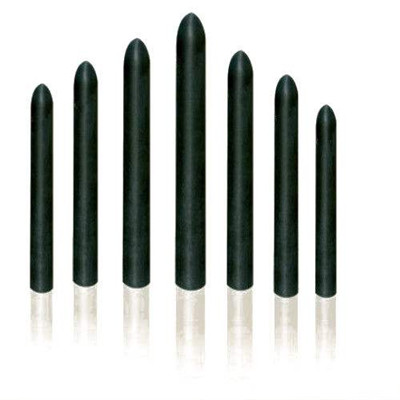
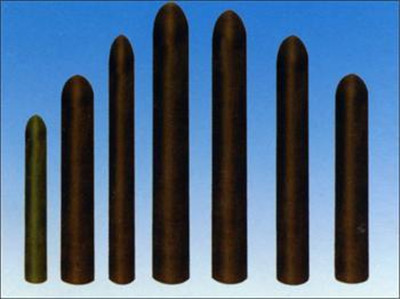
integral stopper

Another method to solve the problem of combined stopper’s low service life is adopting integral stopper, i.e., alumina carbon integral stopper. Alumina carbon integral stopper is made by isostatic pressing molding, solidifying, mechanical processing and carbonizing, there is no metal rod in alumina carbon stopper and avoids the problem of metal rod softening. The service life of alumina carbon integral stopper can reach to 10h. But stopper end and nozzle bowl part will be scoured irregular and not smooth, it will cause difficulty for flow speed control, or even can’t close. That is key factor constraining the service life of alumina carbon stopper.

Continuous Casting System Stopper Physiochemical Index

ItemChemical composition (w %)Cold CS/Mpa ≥Apparent porosity %  ≤High Temp. rupture strength MpaThermal shock resistance /times
Al2O3  ≥C≥ZrO2SiO2MgO
Integral stopper6025///1619≥5≥5
5523///15/≥4≥5
Combined stopperSleeve brick60//≤30/4018/≥20
Sleeve brick42//≤52/4018/≥20
Stopper end8010///4018≥12/
Stopper end7510≥6~9//406≥12/
Composite stopperMain body6025///1619≥5≥5
Slag line/14//80305≥10/
Slag line7510≥6~9//2510≥8/
End/5≥90//////
End855///////

alumina carbon stopper

Continuous Casting System Stopper applications

For steel mills using converter to produce ordinary construction steel , steel liquid supply is sufficient, it needs the long service life of stopper, the longer the better. For steel mills producing special steel, different types of steel have different corrosion to stopper, so stoppers which can resist different kinds of steel liquid corrosion is needed. For this reason, slag line part of stopper adopts magnesia carbon refractory, stopper end part adopts alumina zirconia carbon refractory.
    Get Free Quote

    Your Name (required)

    Your Email (required)

    Your Phone

    Required Products (required)

    Enquiry Information

    RH and DH Refractory

    RH and DH Refractory

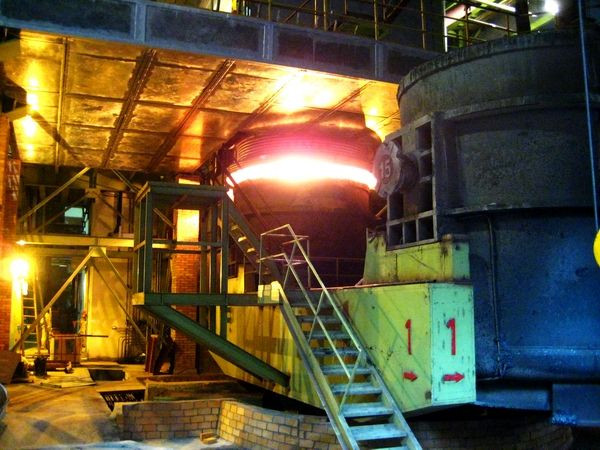
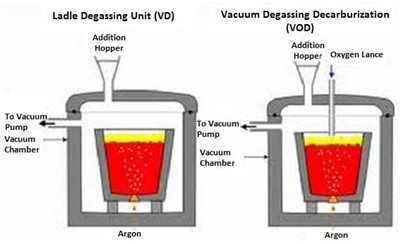
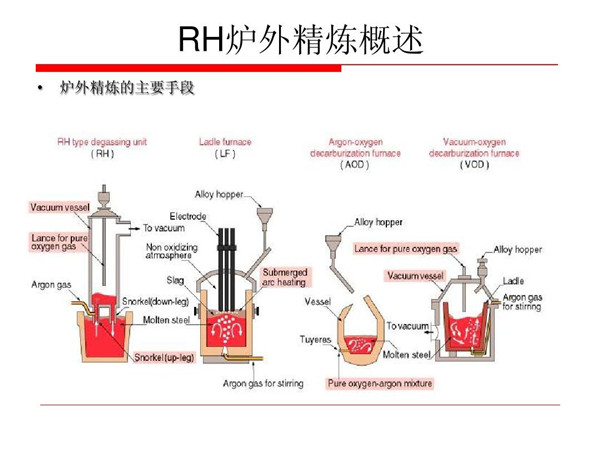
    RH is vacuum argon blowing recycling degassing equipment for steel liquid refinery, and DH is vacuum degassing refinery equipment. By blowing high speed argon in immersion tube and vacuum chamber upper part, steel liquid in ladle will flow into bottom side of vacuum chamber and be degassed, and then flow back to ladle through the other dipping tube. Through vacuum recycling degassing, harmful gases such as nitrogen, hydrogen in steel liquid can be removed. If oxygen blowing is adopted, carbon content can be decreased to a very low extent. RH and DH refinery equipments are mainly used for low carbon steel, low nitrogen steel and low hydrogen steel. Under those working conditions, furnace lining refractory materials should have good scouring resistance, vacuum resistance and thermal shock resistance.

    RH refinery

    In concern of cleaning steel production, refractory materials should better contain no carbon, nitrogen and hydrogen. Usually, vacuum chamber can use magnesia chrome bricks, inner side of immersion tube can use magnesia chrome bricks, while the outer side can adopt alumina magnesia spinel castable. The service life of magnesia chrome bricks at vacuum chamber upper part can reach to 2000 times or more, but the lower part is only about 500 times. The service life of immersion tube is about 100 times, varies with working condition and maintenance quality.

    RH furnace structure

    Magnesia alumina spinel bricks can be a good replacement of magnesia chrome bricks, but the corrosion resistance is not as good as magnesia chrome bricks. Another replacement of magnesia chrome bricks is low carbon magnesia carbon bricks, which has good performance price ratio compared with MgO-Cr2O3 bricks. RH immersion tube can be integrally casted by magnesia alumina spinel castable or magnesia zirconia castable. Through patching, the service life of integrally casted immersion tube can reach to or exceed magnesia chrome bricks lining.

    RH Refractory Material Physiochemical Index

    ItemBasic mortarAlumina magnesia castableInsulating brickCalcium silicate boardDirect bonded magnesia chrome brick
    ApplicationMasonry of magnesia chrome brickImmersion tube, vacuum chamber upper partVent pipe, vacuum chamberVacuum chamberVacuum chamber
    MgO %92>2//80
    Al2O3%/>9051.2//
    Fe2O3 %//1.7//
    Cr2O3 %////6~13
    SiO2 %////1.98
    Apparent porosity %////15
    Bulk density g/cm3/≥2.90≤0.90.233.06
    Compression strength Mpa/≥40(11o℃)7.37≥0.559.2
    Rupture strength Mpa/≥8.4(110℃,24h)/0.52≥6.0(1200℃)
    Reheating linear change rate %/±0.5(1500℃,3h)-0.431.5 (1500℃,3h)/
    Refractoriness ℃>1790>1790/Max.1000/


    ItemMagnesia gunning mixMagnesia chrome gunning mixMagnesia injection mixMagnesia carbon brickMagnesia spinel precast block
    ApplicationVacuum chamber lower part, immersion tubeImmersion tube, vacuum chamber upper partImmersion tube, vacuum chamber upper partVacuum chamber lower part, immersion tubeVacuum chamber lower part, immersion tube
    MgO %≥85≥70≥70≥8580
    Al2O3%/43F.C≤510
    Fe2O3 %/≤5≤5//
    Cr2O3 %/≥5≥5//
    SiO2 %≤6≤4≤5/≤2
    Apparent porosity %≤24≤24≤24≤4≤15
    Bulk density g/cm3≥2.2≥2.3≥2.4≥3.103.06
    Compression strength Mpa≥25 (11o℃)≥20(11o℃)≥20(1600℃,3h)≥30 (11o℃)≥40 (11o℃)


    ItemMagnesia chrome brickMagnesia chrome brickMagnesia chrome brickHigh alumina castableDirect bonded magnesia chrome brick
    ApplicationRH vacuum chamber upper partRH lower part, recycling tube and immersion tubeOB gunning machine for RHVacuum chamberImmersion tube
    MgO %8076.969.9/65
    Al2O3%///92.8/
    Fe2O3 %/////
    Cr2O3 %8.410.918.67/19
    SiO2 %1.61.461.52/≤2
    Apparent porosity %161515/15
    Bulk density g/cm33.053.113.002.79(1500℃,3h)≥3.12
    Compression strength Mpa606661≥30(1500℃,3h)60
    Rupture strength Mpa (1480℃)107.69.1≥8.4(110℃)60
    Reheating linear change rate %///-0.27 (1500℃,3h)-0.27 (1500℃,3h)
    Refractoriness under load ℃>1650>1700>1700/>1700
    ItemRH gunning mixRH injecting mixCAS immersion tube castableKIP spray gun castable
    ApplicationMasonry of magnesia chrome brickImmersion tube, vacuum chamber upper partVent pipe, vacuum chamberVacuum chamber
    MgO %//≥4/
    Al2O3%≥92≥92≥87≥95
    Refractoriness ℃>1790>1790//
    Bulk density g/cm3(110℃,24h)≥2.90≥2.60≥2.95≥3.00
    Compression strength Mpa(1500℃,3h)≥50/≥40/
    Rupture strength Mpa (110℃,24h)≥4.0≥4.0/≥4.0
    Linear change rate %(1500℃,3h)±1.0±1.0/0~2.0

      Get Free Quote

      Your Name (required)

      Your Email (required)

      Your Phone

      Required Products (required)

      Enquiry Information

      Nozzle Refractory For Continuous Casting System

      Nozzle Refractory Description

      Nozzle series refractory can be divided into long nozzle, metering nozzle, submerged nozzle and separation ring.

      1. Long Nozzle

      Long nozzle is the connection part between steel ladle and tundish. Head end of long nozzle connects to steel ladle down nozzle, bottom end embeds into tundish steel liquid. Long nozzle can keep steel liquid from contacting with air during transferring from ladle to tundish, so steel liquid won’t splash,  impurity won’t enter into steel liquid. The working condition suggests that long nozzle should not only endure strong thermal shock, steel liquid scouring and corrosion, but also suffer the corrosion of tundish cover flux. With the increasing requirement on steel quality, protecting casting ratio is continuously growing, so long nozzles using ratio is surging.

       elongated nozzle

      Quartz long nozzle is earliest used, which has very low linear expansion rate or nearly no thermal expansion, excellent thermal shock resistance, but it’s corrosion resistance is weak, especially for the casting of special steel such as high Mn steel, the service life is even shorter. With the developing of continuous casting technique, especially the casting of special steel, quartz long nozzle can also have unfavorable effect on steel quality, so new type of alumina carbon long nozzle is developed. Alumina carbon long nozzle’s service life is significantly longer than quartz long nozzle, but alumina carbon long nozzle’s main components are corundum, mullite, graphite and molten quartz, although mullite and quartz can large scale increase thermal shock resistance, the corrosion resistance to Mn steel and other special steel is not very good.

      long nozzle

      To solve this problem, composite long nozzle is developed, i.e., slag line magnesia carbon material, zirconia carbon material, main body adopts alumina zirconia carbon material, to meet low carbon steel casting needs, inner layer adopts alumina magnesia and Sialon ceramic carbon free material.

      In recent years, unshaped long nozzle is also developed. Casting molding method is used to replace isostatic pressing molding for the production of alumina carbon quartz long nozzle and alumina magnesia long nozzle.

      Long Nozzle Physiochemical Index

      ItemAlumina carbon long nozzleAlumina carbon long nozzleQuartz nozzleQuartz nozzleAl2O3-C long nozzle
      Main bodyPurging ring
      Al2O3 %43.81≥40≥85//≥50
      F.C %30.65≥27///≥25
      SiO2 %///≥99≥99/
      Bulk density g/cm32.24//≥1.82≥1.84/
      Apparent porosity %17≤20/≤19≤1812~20
      Compression strength Mpa25.2≥20/≥40≥40≥15
      Rupture strength Mpa7.82≥6///≥4
      Air flow rate L/min229/100///
      Thermal shock resistance/times229/100///
      ItemAlumina carbon quartz long nozzleAlumina magnesia carbon long nozzleAlumina zirconia carbon long nozzleAlumina carbon long nozzle
      Main bodySlag lineMain bodyPurging part
      MaterialAlumina carbonAlumina carbonMagnesia carbonAlumina zirconia carbonAlumina carbon compoundAlumina carbon compound
      Al2O3 %50≥40MgO, 74≥405090
      F.C %30≥2725≥2731/
      SiO2 %14/////
      ZrO2 %///6~10//
      Bulk density g/cm32.502.382.40≥2.502.25/
      Apparent porosity %14≤2016≤1817/
      Compression strength Mpa/≥20/≥2024.4/
      Rupture strength Mpa/≥6/≥6//
      Air flow rate L/min(0.1Mpa)/////210
      Thermal shock resistance/times/≥5/≥55/
      1. Metering Nozzle

      Metering nozzle is mainly used for the continuous casting of small billet. It is installed at the bottom of tundish. Metering nozzle should not have diameter enlargement or erosion under the strong scouring and corrosion of steel liquid. Inserting metering nozzle’s inner layer is made from zirconia ceramic refractory, which has excellent performance, outer layer is made from high alumina refractory. Inserting metering nozzle’s performance cost ratio is very high, so is popularly used. Integral metering nozzle is made by single type of refractory material, but performance cost ratio is not so high as inserting type metering nozzle. Worthy to be mentioned is that, a lot of steel mills insert pocket bricks and metering nozzles together and form a whole body, which is convenient for construction and safer for production.

      metering nozzle

      To prolong metering nozzle’s service life, zirconia content and zirconia ceramic’s density should be improved. The content of zirconia is raised from 65% to 94%, the density is increased from 3.4g/cm3 to 5.0g/cm3. To improve thermal shock resistance, semi stable zirconia is usually adopted, CaO is used as stabilizer.   

      zirconia metering nozzle

      Metering Nozzle Physiochemical Index

      ItemDJ-65DJ-70DJ-75DJ-80Zirconia metering nozzleZirconia metering nozzle  WG-70WG-80
      PositionWhole body and inner coreOuter layer and pocket block
      ZrO2%≥657075809094//
      Al2O3 %//////≥70≥80
      Apparent porosity% ≤2021212222231919
      Bulk densityg/cm3≥3.703.753.904.104.304.502.602.80

        Get Free Quote

        Your Name (required)

        Your Email (required)

        Your Phone

        Required Products (required)

        Enquiry Information

        ladle furnace
        LF-VD Furnace Refractory Material

        LF-VD Furnace Refractory Material

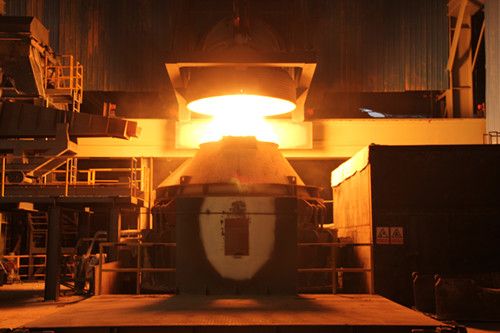
        LV-VD furnace is steel liquid refinery equipment, which’s working condition is very harsh, should endure all kinds of high temperature corrosion, chemical corrosion, mechanical stress and thermal stress. So high quality refractory products should be adopted in according parts of LF-VD furnaces.
        Magnesia carbon bricks are mainly used at furnace bottom and working lining. Corundum precast block which has high mechanical strength is mainly used at furnace bottom impacting zone. Magnesia chrome ramming mass is mainly used at furnace wall corner. Magnesia chrome mortar can be used for the masonry of magnesia chrome bricks.

        ladle furnace

        LF-VD Furnace Refractory Material Physiochemical Index

        NameMagnesia carbon brickCorundum precast  blockMagnesia mortarMagnesia chrome ramming massMagnesia carbon brick
        ApplicationBottom, wall working liningBottom impacting zoneSteel ladle working liningWall cornerBelow slag line, free surface working lining
        MgO %92.5/965292.5
        CaO %2.5/2.2Cr2O3,192.5
        Fe2O3 %4/0.3194
        SiO2 %//10.50.6
        Al2O3 %≥/97/6/
        F.C % ≥5///10
        Apparent porosity %≤7///<7
        Bulk density g/cm3 ≥3.072.98//2.98
        Compression strength Mpa>.4080/25(110℃)>30


        NameMagnesia carbon brickMagnesia chrome brickMagnesia chrome mortarMagnesia castable (ramming mass)Chrome silica ladle filler sand
        ApplicationSlag line working liningSlag line permanent liningMagnesia chrome brickLadle nozzleTapping hole
        MgO %966052916~12
        CaO %2.3Cr2O3, 18Cr2O3, 192.0Cr2O3 >30
        Fe2O3 %0.314195.820
        SiO2 %1.20.50.50.530
        Al2O3 %≥/660.35~10
        F.C % ≥10////
        Apparent porosity %≤7<15///
        Bulk density g/cm3 ≥3.003.26///
        Compression strength Mpa>30>30/30(110℃)/
        NameCorundum blockMagnesia blockCorundum brickMagnesia brickCorundum mullite brick
        ApplicationPurging plug, sleeve brick, pocket blockPurging plug, sleeve brick, pocket blockPurging plug, sleeve brick, pocket blockDispersive type Purging plugPurging plug core plate
        MgO %/97/97/
        CaO %1.81.72.41.9/
        Fe2O3 %/////
        SiO2 %0.10.60.10.59
        Al2O3 %≥88/97/90
        F.C % ≥/////
        Apparent porosity %/<25/26/
        Bulk density g/cm3 ≥3.222.753.002.602.95
        Compression strength Mpa>60>30>50>30>60
        Thermal conductivity w.(m.K)-1(1000℃)/3.02.83.0/
        NameAlumina magnesia castableAlumina chrome castableCorundum castableMagnesia chrome castableAlumina chrome chamotte
        ApplicationPurging brick surroundingPurging brick surroundingPurging brick surroundingLower Dispersive purging brickPurging brick
        MgO %8//77/
        CaO %11.82.4//
        Cr2O3 %/10/122.0
        SiO2 %0.1/0.1/7
        Al2O3 %≥888897/84
        F.C % ≥/////
        Apparent porosity %///26/
        Bulk density g/cm3 ≥3.003.223.002.60/
        Compression strength Mpa>60>60>50>30/
        Rupture strength Mpa(1400℃)12158//

          Get Free Quote

          Your Name (required)

          Your Email (required)

          Your Phone

          Required Products (required)

          Enquiry Information

          VOD furnace structure
          VOD Furnace Refractory Material

          VOD Furnace Introduction

          VOD is the acronym of vacuum oxygen de-carbonization, i.e., steel liquid vacuum degassing, oxygen blowing de-carbonization treatment can be carried out in VOD refinery furnace. Oxygen blowing VOD furnace’s temperature can be higher than 1700℃, desulfurization and reduction reaction are also carried out in VOD furnace, slag alkalinity will change greatly, high smelting temperature and vacuum atmosphere will also do huge damage to furnace lining refractory material. Therefore, VOD furnace should adopt high grade refractory material.

          VOD Furnace Refractory Materials

          VOD slag line: Slag line zone usually adopts re-bonding magnesia chrome bricks or pre-reaction magnesia chrome bricks. Ladle wall can use low grade magnesia chrome bricks. Although magnesia chrome bricks can prolong VOD furnace’s service life, but the production cost is high. So in Europe, where dolomite refractory is abundant, VOD furnace slag line zone mainly adopts ultra high temperature sintered magnesia dolomite bricks. Furnace wall can choose lower grade sintered magnesia dolomite bricks or pitch binding unburned magnesia dolomite bricks. Magnesia dolomite refractory lining’s service life is slightly shorter than magnesia chrome refractory lining, but steel smelting cost is significantly decreased, it can bring in good economic benefits.

          Below slag line: With the development of magnesia carbon bricks, for furnace body, below slag line, low carbon content magnesia carbon bricks or magnesia dolomite carbon bricks become a reasonable choice, VOD molten bath’s service life can reach to 40 times or more. After proper maintenance or patching, molten bath’s service life can be higher than 60 times. Another developing trend of molten bath refractory material is alumina magnesia castable or precast block, it can ultimately eliminate carbon in furnace lining caused adverse effect.

          Cr Free Refractory Bricks for VOD Furnace

          Cr2O3 in magnesia chrome bricks will finally be oxidized into Cr6+ , which has great environment pollution, so magnesia chrome bricks’ application is constrained. Ultra high temperature sintered high purity magnesia dolomite brick is a good replacement of slag line magnesia chrome bricks. Molten bath can adopt low carbon magnesia carbon bricks or low carbon magnesia dolomite carbon bricks.  

          VOD Furnace Refractories Physiochemical Index

          ItemHigh alumina spinel castableHigh alumina castableDirect binding dolomite brickDirect binding magnesia dolomite brickResin binding dolomite carbon brickResin binding magnesia dolomite carbon brick
          ApplicationLadle coverVacuum coverMolten bathMolten bath, slag lineSlag line, molten bathSlag line, molten bath
          Al2O3%9270////
          SiO2 %/22////
          TiO2 %/2.8////
          MgO %5/41594365
          CaO %2357395533
          C %////<3<5
          Bulk density g/cm33.02.802.823.002.942.92
          Apparent porosity %//<17<13<5<5
          Compression strength Mpa//6560>60>60


          ItemAlumina chrome precast blockCorundum precast blockMagnesia chrome brickMagnesia chrome brickUnburned corundum spinel brickMagnesia chrome joint material
          ApplicationLadle coverLadle coverSlag line, molten bathMolten bath, slag lineMolten bathMagnesia chrome bricks lining
          Al2O3%9294<6<6>90<7
          Cr2O3 %>3/18~2312~18/18~23
          Fe2O3%//<12<12/<12
          SiO2 %//<1.5<1.5/<1.5
          MgO %//>60>656~12>55
          CaO %22////
          Bulk density g/cm33.03.0>3.15>3.10>3.05>2.80
          Apparent porosity %<15<15<17<17<15/
          Compression strength Mpa>30>40>35>40>40>20
          ItemMagnesia spinel bricksAlumina magnesia castableAlumina magnesia precast blockLow carbon magnesia carbon brickMagnesia chrome gunning mixMagnesia chrome gunning mix
          ApplicationMolten bathMolten bathMolten bathMolten bath, slag lineMolten bath, slag lineMolten bath, slag line
          Al2O3%8~12>90>90/<8<8
          Cr2O3 %////18~2312~18
          Fe2O3%////<12<12
          SiO2 %////<3<3
          MgO %>804~84~8>90>55>55
          CaO %/<2<2///
          C %///<5//
          Bulk density g/cm3>2.90>3.00>3.00>3.05>2.50>2.40
          Apparent porosity %<15<15<15<5//
          Compression strength Mpa>60>30>30>80>10>10
          ItemMagnesia calcia gunning mixDolomite gunning mixMagnesia gunning mixMagnesia calcia joint material
          ApplicationMagnesia calcia liningMagnesia calcia liningMagnesia calcia and magnesia chrome liningMagnesia calcia brick lining
          MgO %4065>9243
          CaO %5025/55
          SiO2 %<3<3<3<3
          C %///<5
          Bulk density g/cm3>2.40>2.40>2.40>2.80
          Compression strength Mpa>20>25>25>30

          Methods for Prolonging VOD Furnace Lining Service Life

          Apart from choosing high grade furnace lining refractory material, the following methods can be taken to prolong VOD furnace’s service life.

          1. Improve smelting condition. Dolomite slag making method and properly decreases smelting temperature are effective measures to prolong furnace lining service life. Speeding up turnover speed and enhancing heat preservation can also significantly prolong furnace lining service life.

               2. Enhancing furnace protection and furnace patching. Usually, gunning mix which has same composition with lining bricks are adopted for furnace lining patching. For example, magnesia chrome bricks lining should be patched by magnesia chrome gunning mix, magnesia dolomite bricks lining should be patched by magnesia calcia gunning mix.

            Get Free Quote

            Your Name (required)

            Your Email (required)

            Your Phone

            Required Products (required)

            Enquiry Information

            AOD furnace
            Factors Affecting VOD Furnace Refractories Serving Life

            AOD furnace smelting temperature is very high, acid slag and basic slag are formed in different smelting period, meanwhile, fierce gas fluxing is occurred during oxygen blowing. Under synthesized action of various smelting conditions, AOD furnace lining refractories will be damaged gradually.

            Factors Affect AOD Furnace Lining Refractories Service Life

            1. Rebinding magnesia chrome bricks is easier to be corroded with the increasement of slag alkalinity. Service life is longest when slag alkalinity is between 1.2~1.5.
            2. The higher MgO, Cr2O3 and Al2O3 ratio is in slag, the slower magnesia chrome bricks corrosion rate will be.
            3. Reductant is apt to react with Cr2O3 and FeOn in magnesia chrome bricks, thus bricks’ structure is destroyed and brick grains will be scoured by steel liquid. Cr content in steel liquid is also hard to be controlled.
            4. During smelting Al/Si killed steel, Al killed steel will have lower refractory material corrosion rate than Si killed steel. Because Si and Mn in alloy steel will increase corrosion rate of refractory lining.
            5. Between 1600℃~1750℃, per increasement of 100℃, magnesia chrome refractory material’s dissolving rate will increase 4~5 times, while magnesia calcia refractory will increase 2~3 times.
            6. Magnesia chrome bricks will suffer smelting atmosphere influence, Cr and Fe in magnesia chrome bricks will have valance alternation and generate large volume change effect, brick’s structure is destroyed.
            7. Fluorite in slag and Al2O3 will react with magnesia calcia brick and form low viscosity, low melting point eutectics, so corrosion rate is accelerated.
            8. Magnesia calcia material has better low basicity slag corrosion resistance than magnesia material, while MgO refractory has better high Al2O3 slag or high iron slag corrosion resistance than magnesia calcia refractory.
            9. Air blowing angle will have great influence on corrosion rate, generally, back angle of inclination is between 5°~7°.
            10. For low alkalinity slag, magnesia chrome bricks have better corrosion resistance than magnesia calcia bricks, for high alkalinity slag, magnesia calcia bricks have better corrosion resistance than magnesia chrome bricks.
            11. The dissolution rate of magnesia chrome refractory and magnesia calcia refractory in acid slag is in proportion to the 0.7 power of rotation speed.
            12. When slag alkalinity is less than 1.3, high temperature solid phase magnesia chrome refractory’s slag corrosion resistance ability is Cr2O3>MgO-Cr2O3>MgO>MA>Al2O3.
            13. The lower porosity rate is, the better slag corrosion resistance ability is.
            14. In magnesia calcia bricks, slag permeation resistance and spalling resistance is increased with the increase of MgO content.
            15. The denser raw material is, the evener composition distribution is, the better slag corrosion resistance is.
            16. Rebinding magnesia chrome bricks has poor spalling resistance than direct binding magnesia chrome bricks.
            17. The decrease of Cr2O3 in firebricks will weaken its permeation resistance, crack resistance and corrosion resistance.
            18. The higher sintering temperature is, the slower corrosion rate is.

            Measures to Prolong AOD Furnace Lining’s Service Life

            1. Increase MgO and Al2O3 content in slag, when their contents approach saturation state, magnesia chrome brick lining can have a longer service life. Increase MgO and CaO content (dolomite slag making) in slag to a saturation state, magnesia calcia brick lining’s serving life can be prolonged.
            2. Properly decrease smelting temperature is beneficial for prolonging service life.
            3. Speed up smelting tempo, shorten smelting time can contribute to prolonging service life.
            4. Enhancing furnace heat preservation, reducing temperature fluctuation are very important for reducing furnace lining spalling.
            5. Choose high density, high strength and highly direct bonded magnesia chrome bricks and magnesia calcia bricks.
            6. According to operation condition, especially slag alkalinity and interval time to choose corresponding Magnesia chrome bricks and magnesia calcia bricks.

              Get Free Quote

              Your Name (required)

              Your Email (required)

              Your Phone

              Required Products (required)

              Enquiry Information

              AOD furnace refractory
              AOD Furnace Refinery Refractories

              AOD Furnace Refinery Refractories

              With the development of steel smelting technique, there is higher and higher demand on high quality steel. To meet market requirement and clean steel development trend, out-furnace refinery ratio is continuously increasing. Therefore, refractory materials for out-furnace refinery application is developing rapidly.

              AOD furnace

              AOD Furnace Description

              AOD furnace is mainly used for stainless steel production. At the beginning, oxygen is blown for oxidized de-carbonization. During oxidization period, slag’s oxidization ability is increasing and temperature can reach to more than 1700℃. Next comes to reduction period, silicon, iron or aluminum is added to reduce chrome in slag, at this period, slag alkalinity is still low. Finally, lime is added to remove sulfur, as desulfurization needs high alkalinity. In the whole smelting process, slag will transform from acid to basic, atmosphere will also change from oxidization to reduction. Because of non-continuous operation, furnace lining temperature is high and has large fluctuation. So AOD furnace lining’s service life is very low, only 30 times or so, by improving smelting condition and gunning patching maintenance, the service life can reach to 70 times or more.

              AOD furnace refractory

              For AOD furnace, earlier, magnesia chrome bricks are widely used. But magnesia chrome bricks requires complicated production craft and ultra high sintering temperature, energy consumption is huge, cost is high, what’s more, magnesia chrome refractory has severe environmental contamination problem, so are gradually replaced by magnesia calcia bricks.

               AOD Furnace Lining Damage Reason

              The main damage reasons of AOD furnace lining are: 1) permeation and dissolution corrosion caused by high smelting temperature and long acid slag action time. 2) thermal spalling and structural spalling caused by  temperature fluctuation. 3) Fierce gas-slag-steel liquid scouring and erosion. 4) Under changing AOD furnace atmosphere, Cr2O3 and FeOn in magnesia chrome bricks can have oxidization and reduction reaction, which will destroy firebrick’s structure and volume stability.

              Tuyere part main damage is thermal spalling and structural spalling, tuyere ambient place mainly suffers eddy and low alkalinity slag corrosion. Slag line’s main damage is high basicity slag permeation caused structural spalling. Furnace bottom’s main damage is high alkalinity slag corrosion and permeation. So, AOD furnace firebricks should have low porosity, high temperature strength, high thermal shock resistance and high slag permeation resistance.

              AOD Furnace Lining Refractories

              Magnesia calcia bricks have gradually replaced magnesia chrome bricks and are more and more popularly used in AOD furnace linings. Magnesia calcia bricks can be divided into sintered dolomite bricks, pitch binding dolomite bricks, resin binding dolomite bricks and so on. Different grades of dolomite refractory bricks can be used for different parts of AOD furnaces. When smelting temperature is very high, carbon containing refractories will have oxidation and reduction reaction and is not suitable for using. Except for dolomite bricks,  magnesia calica lining joint material, magnesia calcia lining gunning mix, magnesia calcia chamotte and so on.

                Get Free Quote

                Your Name (required)

                Your Email (required)

                Your Phone

                Required Products (required)

                Enquiry Information

                bottom air supply brick
                Purging Plug Bricks

                Purging Plug Bricks Description

                Gas supply component, also called purging plug bricks is used to blow noble gases into steel smelting vessels for steel liquid stirring. Gas blowing is an important method of modern metal smelting, is a key step of out-furnace refinery. Purging plug’s main function is strengthening smelting speed, speeding reaction process, shortening smelting time, homogenizing steel liquid temperature and ingredients. Meanwhile, non metal impurities in steel liquid can float to surface and be removed, steel liquid is purified and steel quality is improved. Purging plug bricks are widely used in converter steel making, electric furnace steel smelting and refinery ladles. Air supply bricks have a trend to be used in whole smelting process, including tundish, tornado tank and so on.

                bottom air supply brick

                As air supply component is important functional refractory material of steel smelting, different materials and structures of air supply bricks can be used for different smelting vessels and operation conditions. There are mainly two kinds of purging plug bricks now: one is converter and electric furnace purging plug, the other is steel ladle purging plug brick. They are significantly different in working condition, using requirements, so the materials, structure and manufacturing crafts of them are different.

                Converter And Electric Furnace Purging Plug

                Converter bottom blowing gas supply component is important refractory material for top and bottom combined blowing craft, it plays an important role in smelting process. Top and bottom combined blowing converter’s gas supply component is magnesia carbon purging plug, which is installed at converter bottom.  Currently, mainly used converter purging plug is isostatic pressing molded magnesia carbon air supply brick. This kind of purging plug brick has small expansion coefficient, good spalling resistance and long service life.

                steel ladle purging plug

                Electric furnace bottom blowing air supply components can be divided into two types. One is direct stirring system air supply bricks, which is similar to converter magnesia carbon containing, high pressure formed, sectionally combined air supply bricks. The other is indirect stirring system air supply components. Purging plug won’t contact with steel liquid directly, and air is supplied by surface air permeable ramming mass. Compared with direct stirring air supply component, indirect stirring air supply component’s service life is longer, and requires large flow rate purging plug bricks.

                Converter And Electric Furnace Purging Bricks Index

                ItemConverter air supply componentUHP air supply componentPurging ramming mass
                MgO %768175
                C %1414/
                CaO %/1.0920
                Al2O3 %/3.0/
                Fe2O3 %/0.893.5
                Apparent porosity %4.02.93/
                Bulk density Mpa/56/
                Rupture strength Mpa/23/
                High temperature rupture strength Mpa(1400℃)10.012.6 
                Air flow rate m3.h-120//

                steel ladle purging brick

                  Get Free Quote

                  Your Name (required)

                  Your Email (required)

                  Your Phone

                  Required Products (required)

                  Enquiry Information

                  zirconia metering nozzle
                  Metering Nozzle

                  Metering nozzle Description

                  Metering nozzle is functional refractory material for controlling steel liquid flow rate during the process of continuous casting billet making. Through fixed caliber of metering nozzle, steel liquid can flow from tundish to  casting mold with a constant speed. The size of nozzle hole depends on billet dimension and drawing speed of continuous casting machine, usually between 12~20mm. During the whole continuous casting process, nozzle hole’s diameter should be constant to ensure stable steel liquid flow rate, thus metering nozzle is key functional refractory component for continuous casting billets making, its quality will affect the whole continuous casting process. Metering nozzle should not only be safe and stable, but also should have characteristics such as no blockage, no spalling, no cracking and small diameter enlarging speed. To meet these requirements, nozzle materials should have excellent scouring resistance, corrosion resistance, erosion resistance and thermal shock resistance.

                  zircon metering nozzle

                  Metering Nozzle Types

                  Currently, universally used metering nozzle material is zirconia containing refractory. The content and grade of zirconia can directly affect nozzle hole enlarging speed and service life. The enlargement rate of 95% zirconia nozzle hole is about 0.03mm/h. According to structure, there are 3 types of metering nozzles, homogeneous nozzle, direct compound nozzle and inserting nozzle. Homogeneous metering nozzle are those which’s main composition is zircon or those contain relatively low ratio of zirconia. It is suitable for applications which have shorter continuous casting time. Direct compound metering nozzle main body is zircon based, only nozzle hole part is compounded with high zirconia containing layer. Direct compound metering nozzle has advantages such as longer service life than zircon based nozzle, low production cost. But due to different expansion coefficient , compound nozzle has large cracking possibility during using, composite layer’s zirconia content should not be much high, generally between 70%~80%. Inserting type metering nozzle is divided into outer coating and inner core, they are produced separately and then are bound together by refractory chamotte. Outer coating is sintered high alumina refractory, inserted inner core is zirconia refractory. Inserting metering nozzles have low production cost, good thermal shock resistance and various ZrO2 content, are the main structure adopted in production.

                  metering nozzle

                  The inner core materials of zirconia metering nozzle are partial stable fused zirconia and zircon. Sintering temperature correlates with zirconia content, the sintering temperature of zircon nozzle is between 1630℃~170℃. Stable fused zirconia nozzle inner core’s sintering temperature is between 1750℃~1800℃.

                  Zirconia Metering Nozzle Core Refractory Physiochemical Index

                  ItemX-75X-80X-85X-93X-95Z-65Z-75Z-95
                  ZrO2%758085939567.376.295.6
                  SiO2%31.121.5
                  CaO%3.03.03.0
                  MgO%2.4
                  Apparent porosity%22212224182020.512.5
                  Bulk density g/cm33.94.04.14.34.73.753.944.95
                  Compression strength MPa609560
                  Thermal shock resistance times>5>5
                  Continuous casting time/h578815//20

                   zirconia metering nozzle

                  Quick Changing Nozzle

                  Metering nozzle may happen cracking accident or nozzle core enlargement during production. To solve these problems and prolong metering nozzles’ service life, non stop quick changing technique is developed. Through online quick changing of metering nozzle, unit ladle continuous casting time is large scale increased, max. time can reach to 70h.    

                  Quick Changing Nozzle Refractory Physiochemical Index

                  ItemMaterialChemical composition (w%)Bulk density g/cm3Apparent porosity %Compression strength Mpa
                  SiO2ZrO2Al2O3MgO
                  ZrO2 coreZrO21.195.0/2.64.9213.0/
                  Outer jacketCorundum castable//98.0/3.1016.535.0
                  Tundish pocket blockSintered high alumina15.0/83.0/2.6721.0/

                    Get Free Quote

                    Your Name (required)

                    Your Email (required)

                    Your Phone

                    Required Products (required)

                    Enquiry Information