The Influence of Binder on the Properties of Silicon Carbide Mortar
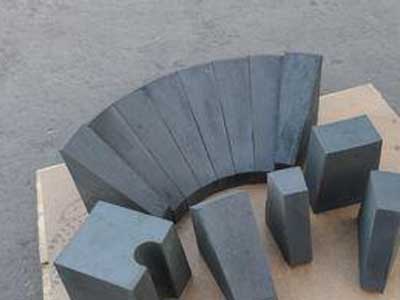
Silicon carbide fire mortar is used for the construction or bonding of silicon carbide bricks in blast furnaces, silicon carbide bricks in blast furnace cooling walls, silicon carbide bricks in aluminum electrolysis cells, and silicon carbide bricks in ceramic kilns. Currently, silicon carbide fire mortar mainly uses liquid phenolic resin as a binder, which is mixed evenly in a certain amount before construction. The overall structure after construction must have good structural stability and airtightness, and be able to withstand various physicochemical reactions at high temperatures, so that the equipment can operate safely and stably. During the production, transportation, and use of fire putty, pure phenolic resin is brittle, highly toxic, has a high curing temperature, slow speed, and is prone to cracking and has low wear resistance after curing. This results in low production efficiency, high energy and equipment consumption, and the need to dissolve and dilute it with flammable and explosive materials during the mixing process, which seriously pollutes the environment and causes adverse effects. To solve these problems, three binders were used in the experiment, and comparative tests were conducted on three aspects: cone penetration, bonding time, and bonding strength.
Raw Materials and Proportions of Silicon Carbide Mortar Used in the Experiment
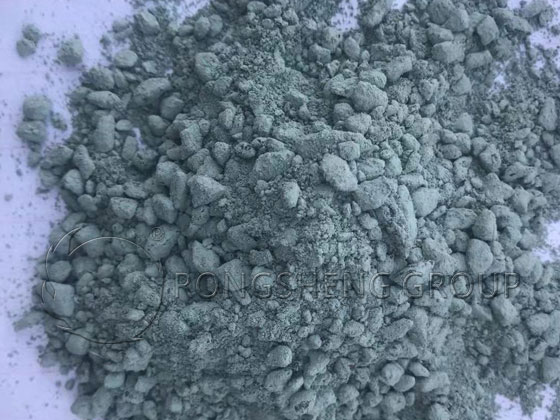
The main raw materials used in the experiment included: silicon carbide particles (0.5–0 mm) and fine powder (≤0.074 mm) with a w(SiC) content of 98.3%; clay fine powder with a w(Al₂O₃) content of 34.2% and a w(SiO₂) content of 48.3%; alumina sol solid fine powder with a w(Al₂O₃) content of 32.3%; Secar 71 cement fine powder; solid water glass fine powder with a modulus of 2.8; and additives.
The aggregate to fine powder was prepared according to a mass ratio of 40:60, and three different binders were added. The samples were numbered A, B, and C, where A represents alumina sol solid, B represents Secar 71 cement, and C represents solid water glass. The numbers correspond to the amount of binder added.
Sample Preparation and Performance Testing
According to the sample composition formula, the prepared materials were poured into a small mixer and dry-mixed for 1 minute. Then, 10% (w) water was added and mixed for 3 minutes, then an appropriate amount of water was added and mixed for another 3 minutes to form a slurry. The cone penetration, bonding time, and flexural bonding strength of each formulation sample were determined according to GB/T 22459—2008 (drying at 110℃ for 24 hours and charring at 1300℃ for 3 hours).
Performance of Silicon Carbide Firemortar with Different Binders
- (1) Silicon carbide firemortar using alumina sol as a binder exhibited the best cone penetration after 1 hour of standing. Silicon carbide firemortar using solid water glass as a binder showed the best cone penetration after 0.5 hours. However, silicon carbide firemortar using Secar 71 cement as a binder rarely achieved ideal cone penetration.
- (2) In silicon carbide firemortar, when using alumina sol and solid water glass as binders, the bonding time of samples with binder additions between 4% and 10% (w) was within the national standard requirements. However, when using Secar 71 cement as a binder, the bonding time requirement was only met when the binder addition was 2% (w).
- (3) Silicon carbide firemortar exhibited the best flexural bond strength after baking and heat treatment when the alumina sol solid addition was 8% (w). The flexural and bond strength properties were best when the solid water glass content was 6% (w) after drying and heat treatment. However, the strength of the Secar 71 cement sample after drying was too low, while the strength after heat treatment increased with the increase in content.
What type of refractory mortar is used for laying corundum-silicon carbide composite bricks?
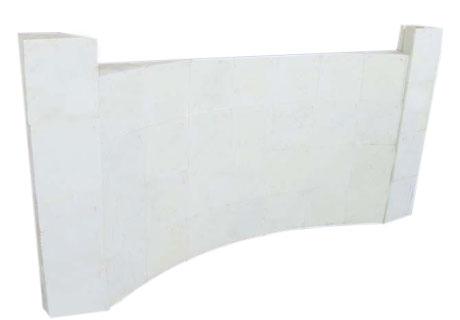
When laying corundum-silicon carbide composite bricks, it is essential to use refractory mortar of the same material, namely corundum-silicon carbide refractory mortar. This is because refractory mortars of the same material have identical performance characteristics and can resist the same furnace atmosphere under the same high temperatures or erosion conditions. There are various types of corundum-silicon carbide composite bricks, including precast bricks and sintered corundum-silicon carbide bricks.
Precast bricks do not require refractory mortar. This is because precast bricks are generally produced in small quantities and are cast according to specific brick shapes for specific locations, thus requiring no refractory mortar for laying.
Sintered corundum-silicon carbide composite bricks, however, are sintered at high temperatures and are generally used in areas of high furnace lining temperature and severe erosion and wear. The required quantity is larger than for precast bricks. Therefore, refractory mortar of the same material must be used for laying them, with the refractory mortar acting as a bonding material to seal the gaps between the bricks.
What phenomena occur with refractory mortar under high temperatures?
When preparing corundum-silicon carbide refractory mortar, the amount of silicon carbide added to the corundum-silicon carbide composite bricks must be considered. Generally, the proportion of silicon carbide added to the mortar should match the proportion added to the refractory bricks. This ensures that the performance is essentially the same for the same material. If too much silicon carbide is added, the bonding during construction will be poor, making construction impossible. Forcibly adding a binder to adjust the amount will affect the later strength. If an unbalanced proportion of silicon carbide is not used, or if refractory mortar without silicon carbide is used, the mortar will crack and fall off at high temperatures. Falling mortar will cause the brick layer to settle, leading to furnace shutdowns for maintenance and production delays.
Therefore, corundum-silicon carbide composite bricks must be laid with corundum-silicon carbide refractory mortar. This ensures that the material, atmosphere, operating temperature, and resistance to erosion and abrasion are identical.