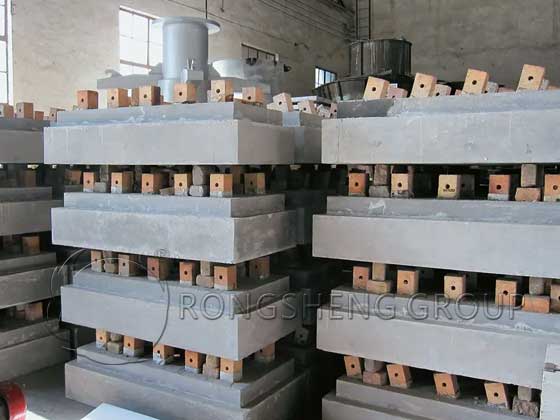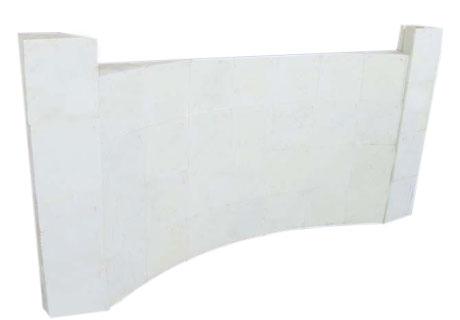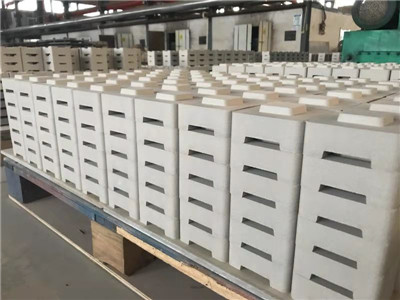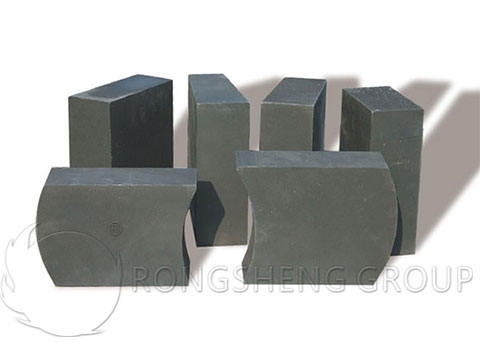
High-Purity Electrofused Mullite Castable Precast Refractory for Steel Rolling Heating Furnaces
The working conditions of certain critical components of industrial kilns, such as high-temperature burner bricks, burner brick upper crossbeams, and the furnace bottom of steel rolling mills, are extremely harsh. The working temperatures of burner bricks and burner brick upper crossbeams often exceed 1500℃, subjecting them not only to high-temperature melting damage but also to the impact of high-speed flame gas flow, their own weight, and the load-bearing capacity. The erosion of iron oxide scale and molten slag mainly damages the furnace bottom of steel rolling mills. In industrial furnaces with frequent start-ups and shutdowns, these components are subjected to stress damage caused by rapid heating and cooling.
Only refractory materials that are both resistant to high temperatures and possess excellent thermal shock stability can meet these requirements. Phosphate castables, high-alumina cement castables, and refractory plastics failed to achieve the desired results. After repeated experiments, high-purity electrofused mullite castable precast refractory achieved satisfactory results.
Theoretical Basis for Material Selection of Precast Refractory Castables in Steel Rolling Heating Furnaces
Why is high-purity electrofused mullite chosen as the main raw material? This is determined by the properties of mullite. Mullite is the only stable compound in the Al₂O₃-SiO₂ binary system. From the Al₂O₃-SiO₂ phase equilibrium, it can be seen that the composition of mullite is between 3Al₂O₃·2SiO₂ and 2Al₂O₃·SiO₂. The composition (by weight) of mullite (A₃S₂) itself is 72.8% Al₂O₃ and 28.2% SiO₂. The composition of the saturated solid solution is 78% Al₂O₃ and 22% SiO₂. That is, the mullite solid solution can contain up to 6% Al₂O₃. Compare the properties of solid solutions in this range below, and the typical composition of mullite 3Al₂O₃·2SiO₂. It has a high melting point (1910℃), high hardness, low high-temperature creep value, and good resistance to chemical corrosion.
Sources of Mullite Raw Materials
Natural mullite is rare among natural minerals. Only extremely small quantities of β-mullite and γ-mullite have been found, and their production is far from meeting the large-scale needs of production. Furthermore, the veins are generally very thin, difficult to mine, and the purity is often insufficient, making them rarely usable.
There are two methods for the artificial synthesis of mullite: ① sintering method; ② electrofusion method.
The sintering method involves finely grinding the raw materials required for mullite synthesis, forming them into pellets, and then calcining them at high temperatures in a kiln. Impurities inevitably enter during the production process, and it is difficult to reach the ideal high temperature during calcination, resulting in incomplete reactions, poor crystallization, and poor high-temperature stability.
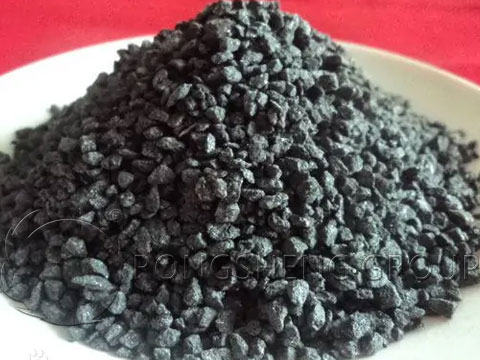
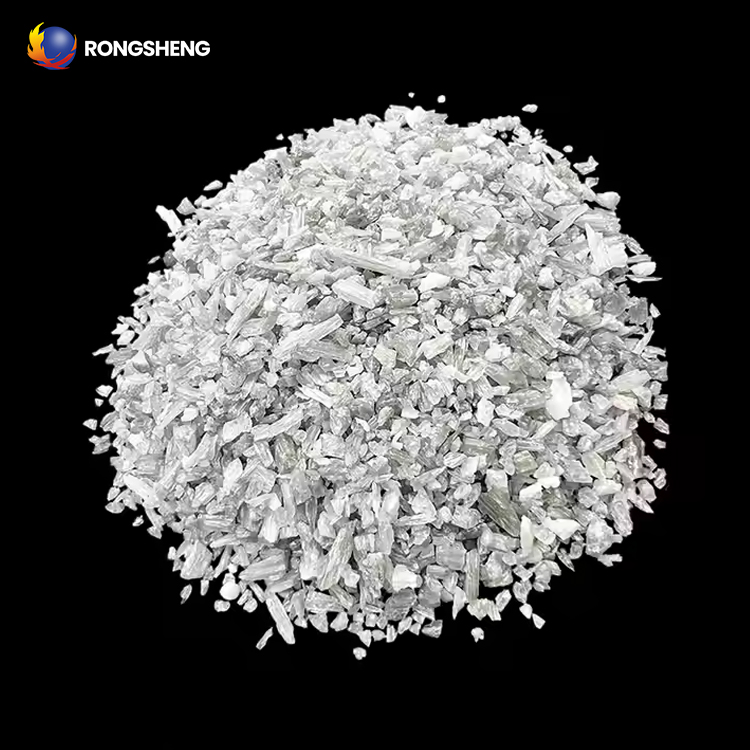
The electrofusion method for producing mullite involves strictly mixing raw materials such as industrial alumina, sintered high-quality bauxite, high-purity silica, and silica in a specific ratio, then loading them into an electric arc furnace. After melting at temperatures above 1850℃, the mixture is slowly cooled and crystallized. Because an electric arc is used as the heat source, very few impurities are introduced during the electrofusion process. As long as the purity of the raw materials is controlled, the product quality is relatively easy to manage, and high-purity electrofused mullite can be produced. The quality of high-purity electrofused mullite raw materials is the guarantee of the quality of the finished product.
Performance of High-Purity Electrofused Mullite Castable Precast Refractory
The main characteristic of high-purity electrofused mullite castable Precast Refractory is its excellent thermal shock resistance. Their thermal shock resistance is significantly better than that of other refractory materials. However, their compressive strength is not high, reaching only 51 MPa, while their thermal shock resistance is several times that of other refractory materials. This may be because the mullite crystal phase forms primary bonds at 850℃, producing a needle-like interstitial layer, which blocks the fracture layer that occurs within the Precast Refractory during surface water cooling tests. Therefore, high-purity electrofused mullite castable Precast Refractory can withstand thermal shock damage when used in steel rolling furnaces.
How to Improve Thermal Shock Resistance in Corundum-Mullite Castables?
Corundum-mullite castables are characterized by high load softening temperature and good creep resistance among high-temperature refractory materials. However, pure corundum products have a relatively large coefficient of thermal expansion, resulting in less than ideal thermal shock resistance. Pure mullite products, on the other hand, have a smaller coefficient of thermal expansion and better thermal shock resistance.
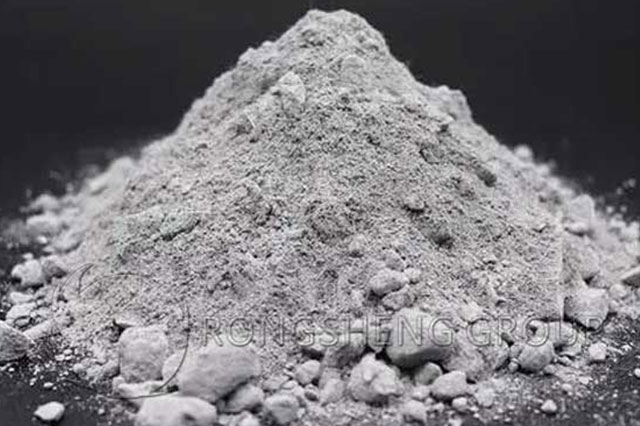
Corundum-mullite castables are composed of mullite and corundum phases. When the mass ratio of mullite to corundum is 75:25, it coincides with the eutectic melting point at 1840℃ in the SiO2-Al2O3 phase. Therefore, a mullite to corundum ratio of 75:25 is optimal for improving thermal shock resistance. This is because mullite has a lower coefficient of thermal expansion than corundum, and the coefficient of thermal expansion in composite materials is always greater for the former than the latter. The thermal expansion mismatch between mullite and corundum within the composite material leads to microcracks, increasing the material’s fracture absorption energy and thus improving the castable’s thermal shock resistance.
Using a low eutectic point aggregate composition can negatively impact the creep resistance of castables, as the creep rate is minimized at this point. When the mullite to corundum ratio is approximately 75:25, the aggregate significantly affects the product’s coefficient of thermal expansion and thermal expansion mismatch. When microcracks develop in the castable, they propagate under thermal shock stress, simultaneously causing transgranular fracture of the aggregate and consuming a large amount of energy. This inhibits the propagation of the main crack and also affects the thermal shock stability of the corundum-mullite castable.
Of course, corundum castables also exhibit good thermal shock resistance. This is because the different aggregate-to-binder ratios lead to variations in thermal shock stability. The coefficient of thermal expansion of corundum-mullite castables significantly impacts thermal shock stability; microcracks caused by thermal expansion mismatch can actually improve the castable’s thermal shock resistance.
In summary, a mullite-to-corundum ratio of 75:25 in the process mix provides the best thermal shock stability. An apparent porosity of around 20% is highly beneficial for the thermal shock stability of castables. Therefore, controlling the apparent porosity of corundum-mullite castables to around 20% further enhances thermal shock stability.
Rongsheng Refractory Materials Manufacturer offers environmentally friendly, professional, fully automated monolithic refractory material production lines, specializing in the production of integral refractory castable linings for high-temperature industrial furnaces. Our newly commissioned factory also specializes in producing various precast refractory components. If your industrial furnace requires lining material replacement or lining repair, Rongsheng’s professional technical team can customize a lining material solution based on the actual operating conditions of your industrial furnace. Contact Rongsheng for a free quote and solution.