Search for:
Why is There No Standardized Furnace Designed for Copper Smelting?

Copper smelting furnaces come in various types, including flash furnaces, Australian furnaces, SKS furnaces, silver furnaces, and Noranda furnaces. Many people might wonder after reading this: since all these furnace types can complete matte smelting, why isn’t there a single furnace type suitable for all copper smelters? The reason is simple: copper smelting isn’t a “furnace selection competition,” but rather a “system matching battle.” Flash furnaces emphasize large-scale continuous operation and stable concentrate; top-blown furnaces emphasize strong stirring and adaptability to complex materials; bottom-blown furnaces emphasize the internal reaction of the molten pool and flue gas conditions; and side-blown furnaces emphasize continuous organization and control of the side reaction zone. There is no absolutely optimal furnace type, only what is suitable or unsuitable.

Conclusion: There is no one-size-fits-all furnace, only system compatibility.

Many people, when discussing furnace types, like to ask: Which furnace is the best? This question is actually difficult to answer. Copper smelting isn’t about choosing a single “one-size-fits-all” piece of equipment, but rather selecting a complete process system. The quality of a furnace depends not only on the furnace itself, but also on: the raw material conditions; the stability of the concentrate grade; the suitability of sulfur, iron, and silicon content; the level of impurities; the proportion of return material and dust; the compatibility of the flue gas acid production system; how the slag is handled; whether it’s connected to a converter or continuous blowing; the affordability of investment and operating costs; and the level of on-site operation and maintenance. Therefore, different furnace types are not simply a matter of advanced versus outdated. More accurately, they solve different problems.

Flash Furnace: Suitable for stable concentrates and large-scale continuous production.

The core characteristic of flash smelting is that the ore reacts in the air. Dried fine-grained copper concentrate and oxygen-enriched air enter the reaction tower, where oxidation, exothermic reaction, melting, and preliminary matte formation are rapidly completed in a suspended state. The advantages of flash furnaces are obvious: fast reaction speed; high thermal efficiency; high degree of continuous operation; better SO₂ conditions in the flue gas; and suitability for large-scale production. This is why the Outokumpu flash furnace has become one of the important mainstream furnace types in modern copper smelting.
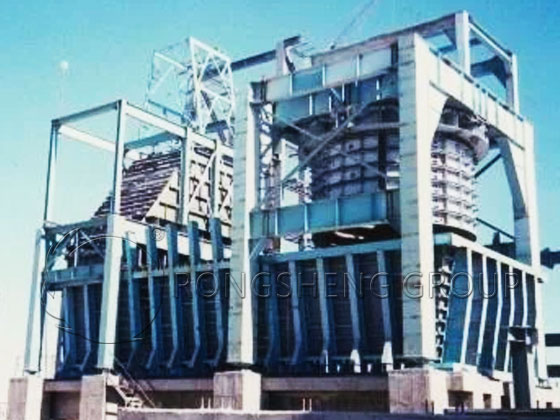
Flash Furnace
Flash Furnace

However, flash furnaces also have their own prerequisites: they rely heavily on dry ore, stable particle size, stable batching, and good injection organization. In other words, they are well-suited for processing concentrates with stable conditions and thorough preparation, but they also have relatively high requirements for raw material fluctuations, complex material proportions, and the preparation system.

So, what are flash furnaces suitable for? Flash furnaces are suitable for large-scale, efficient, and continuous production under stable concentrate conditions.

Top-blown furnaces: Suitable for strong stirring and handling complex materials

Typical examples of top-blown furnaces are the Åbo furnace and the ISA furnace. Its core is the top-immersion lance. The lance is inserted into the molten pool from the top of the furnace, injecting oxygen-enriched air, fuel, etc., into the molten pool.

The keyword for top-blown furnaces is: strong stirring. Once the molten pool is agitated, the contact between gas, liquid, and solid is significantly enhanced, leading to increased heat and mass transfer. Materials entering the molten pool do not float quietly on the surface and react slowly; instead, they are quickly drawn into the melt to participate in the reaction. Therefore, top-blown furnaces are highly adaptable to complex copper-containing materials, return materials, fumes, and cold materials.


However, top-blown furnaces are not a “one-size-fits-all” solution. Attention must be paid to lance lifespan, lance position, molten pool splashing, slag entrainment, and subsequent settling and depletion pressure. Strong agitation is an advantage, but it also results in more thorough mixing of slag and matte, requiring careful handling of copper content and separation issues in the slag.

So, what are top-blown furnaces suitable for? Top-blown furnaces are suitable for systems requiring strong agitation, high adaptability to complex materials, and a high proportion of return materials and fumes. Their advantage is not being the “cleanest,” but rather their ability to “quickly draw complex materials into the reaction.”

Bottom-blown furnace: Suitable for organizing reactions from within the molten pool

A representative bottom-blown furnace is the SKS furnace, also known as the Shuikoushan oxygen bottom-blown smelting furnace. Its core characteristic is that oxygen enters the molten pool from the bottom. More specifically, oxygen enters the copper matte layer from the bottom, forming rising bubbles, molten circulation, and intense reactions within the molten pool.

The advantages of a bottom-blown furnace are: sufficient gas-liquid contact; deep reaction within the molten pool; better oxygen utilization conditions; relatively small flue gas volume; and better SO₂ flue gas conditions. These characteristics are beneficial for subsequent acid production and environmental control.

However, the most challenging aspect of a bottom-blown furnace is also clear: the bottom gas supply system. Because oxygen enters from the bottom, the oxygen lance, tuyeres, bottom refractory materials, sealing, and maintenance are all crucial. Problems with the bottom oxygen supply system are difficult to resolve. Simultaneously, due to the strong agitation during bottom blowing, attention must still be paid to slag copper content, Fe₃O₄, slag viscosity, and slag-matte separation.

So, what is a bottom-blown furnace suitable for? Bottom-blown furnaces are suitable for systems emphasizing internal molten pool reactions, flue gas acid production conditions, and environmental control, but they require high stability in the gas supply from the furnace bottom. Their advantage lies in deepening the reaction from within the molten pool; their challenge also lies at the furnace bottom.

Side-blown furnaces: Suitable for continuous operation and control of the side reaction zone

Representative side-blown furnaces include the Baiyin furnace, Noranda furnace, and Vanyukov furnace. Their core characteristic is that gas enters the molten pool from the side of the furnace body. Side blowing is neither from top to bottom nor bottom to top, but rather from the side tuyeres, driving the melt to form a lateral flow and reaction zone.

The advantages of side-blown furnaces are: relatively intuitive furnace structure; flexible reaction zone layout; suitability for continuous operation; and strong material adaptability. For example, the Baiyin furnace emphasizes the separation of the smelting and settling zones, with a strong reaction at the front and clarification and separation at the back. The Noranda furnace is a horizontal furnace body, organizing the reaction and settling along its length. The Vanyukov furnace emphasizes slag-blown smelting, relying on side-blown oxygen-enriched gas to enhance slag agitation and reaction.

However, side-blown furnaces also present typical challenges: erosion in the tuyeres area; slag line scouring; furnace lining life; localized overheating; copper content control in the slag; and internal flow organization.

So, what are side-blown furnaces suitable for? Side-blown furnaces are suitable for systems with continuous side-blown reactions, flexible process organization, and the ability to accept and manage tuyeres and furnace lining maintenance pressures. The advantages and disadvantages of side-blown furnaces actually stem from the same source: the strong molten pool disturbance caused by lateral air supply.

Choosing a furnace type shouldn’t be based solely on the furnace itself.

Often, a plant’s choice of furnace type isn’t based on just the furnace itself, but on the entire production line. For example: Is there a stable dry ore system at the front end? Is the raw material complex? Is the return material ratio high? Can the flue gas sulfuric acid production system match? Is the downstream a conventional converter or continuous blowing? Does the slag have a settling electric furnace or a slag depletion system? What are the local oxygen, electricity, and fuel costs? How stringent are the environmental protection requirements? Is there sufficient operational and maintenance capability on site? These factors combined determine whether a furnace type is truly suitable for a particular plant. Therefore, you’ll see: some plants are suited to flash furnaces; some to top-blown furnaces; some to bottom-blown furnaces; and some to side-blown furnaces. It’s not that everyone’s judgment is different, but rather that each smelter faces different challenges.

Furnace Selection: Essentially System Matching

Copper smelting is not a victory for a single piece of equipment, but a balance of the entire system. The furnace type is only one component. What truly needs matching are: the raw material system; the smelting system; the blowing system; the slag treatment system; the flue gas acid production system; the environmental protection system; the energy system; and the operation and management system. Looking only at the furnace itself easily leads to one-sided judgments. For example, a certain furnace type might have a strong reaction, but if the subsequent slag depletion cannot keep up, the copper content in the slag may be high. A certain furnace type might have excellent flue gas conditions, but if oxygen costs are too high, its economics may not be suitable. A certain furnace type can handle complex feedstocks, but if maintenance is difficult and on-site management cannot keep up, problems will arise. A certain furnace type has high single-furnace capacity, but if the front-end feed preparation system is unstable, it is difficult to operate stably for a long time. Therefore, furnace selection is not simply “which is the best,” but rather: which is the most suitable for the entire system.

  • Flash Furnace: Large and precise. Suitable for stable concentrate production, large-scale, efficient, and continuous production.
  • Top-blown Furnace: Flexible and powerful. Suitable for strong stirring, complex materials, return materials, and fume control.
  • Bottom-blown furnace: Deep and stable. Suitable for organizing reactions from within the molten pool, with better flue gas conditions.
  • Side-blown furnace: Wide and flexible. Suitable for continuous processing and control of the side reaction zone.

Ultimately, furnace selection must return to raw materials, scale, environmental protection, investment, and process configuration.

In conclusion,

Copper smelting cannot rely on only one type of furnace. This is not because the technology is immature, but because copper smelting faces different raw materials, processes, and on-site conditions. Flash furnaces have their advantages; top-blown furnaces have their applicable scenarios; bottom-blown furnaces have their characteristics; and side-blown furnaces also have their place. It’s not about which furnace type is best, but rather, under a series of comprehensive conditions such as specific raw materials and scale, which furnace type is most suitable!

    Get Free Quote

    Your Name (required)

    Your Email (required)

    Your Phone

    Required Products (required)

    Enquiry Information

    Performance and Construction Methods of Acid-Resistant Castables for the Petrochemical Industry

    Acid-resistant castables are those that can resist corrosion from colloidal media such as nitric acid, hydrochloric acid, sulfuric acid, and acetic acid at temperatures ranging from 80 to 1200℃. Acid-resistant castables are typically made from acid-resistant aggregates, such as silica, cast stone, wax stone, and diabase particles, as well as acid-resistant material powders from waste silica bricks, silica, waste porcelain, and cast stone, using water glass as a binder.

    Performance and Applications of Acid-Resistant Castables

    The modulus of water glass is between 2.6 and 3.2, and the density is between 1.38 and 1.42 g/m³. The addition amount is typically between 13% and 16%. Sodium fluorosilicate is used as a settling accelerator, added at 10% to 12% of the water glass solution mass. This type of acid-resistant castable is low in cost and has good acid resistance, making it widely used in furnace linings or chimneys in metallurgy and chemical industries. However, it has poor resistance to phosphoric acid, hydrofluoric acid, and high-fatty acid corrosion.

    Rongsheng Acid-Resistance Castable Manufacturer
    Rongsheng Acid-Resistance Castable Manufacturer

    Free Quote

      Free Quote

      Your Name (required)


      Your Email (required)

      Your Phone

      Required Products (required)

      Enquiry Information

      Technical Performance of Acid-Resistant Castables

      Acid-resistant castables possess the following properties:

      1. Acid-resistant castables are a new type of anti-corrosion material with strong prestress, composed of multiple components including potassium silicate as a binder, inorganic molecular materials as curing agents, and silicates as acid-resistant fillers.
      2. Acid-resistant castables have high mechanical strength and excellent bonding properties. Especially in the construction of granite blocks, acid-resistant ceramic tiles, and ceramic slabs, the adhesion between the castable and cement is greater than that of the base material.
      3. The acid-resistant castable exhibits stable performance in various concentrations of organic and inorganic acids. Particularly in dilute acids, industrial water, and neutral aqueous solutions, it does not produce crystalline salts and possesses high impermeability.
      4. It has good heat resistance and can be used in titanium dioxide rotary kiln linings at temperatures as high as 950℃-1000℃.
      5. The acid-resistant castable uses a non-toxic curing agent, posing no harm to operators and construction personnel. It has been certified by medical and health departments as suitable for corrosion protection in food, pharmaceutical, and other equipment.
      6. Compared with organic acid-resistant materials, the acid-resistant castable is inexpensive. In addition to possessing the same acid and corrosion resistance as organic materials, it also has the unique property of resisting corrosion from strong oxidizing media.
      7. It cures at room temperature, is simple to construct, convenient to use, easy to transport, and requires moisture-proof storage.

      Applications of Acid-Resistant Castables

      Acid-resistant castables can be used in various concentrations of sulfuric acid, hydrochloric acid, nitric acid, chromic acid, hypochlorous acid, chlorosulfonic acid, formic acid, oxalic acid, acetic acid, and other acids; various organic solvents; various acidic salts; oxidizing media such as chlorine and hydrogen peroxide; and mixtures of the above media. Rongsheng acid-resistant materials are widely used in corrosion protection projects for reaction vessels, storage tanks, towers, floors, trenches, electrolytic cells, etc., in industries such as petroleum, chemical, metallurgy, power, pesticides, food, fermentation, hydrolysis, and pickling.

      Acid-resistant castable refractory construction requirements:

      1. Acid-resistant castable refractory, 10-20 mm thick, should be applied in sections. The spacing between sections should be 2-3 meters, and the joint width should be 15-20 mm. The joints should be completely filled with a suitable sealant.
      2. Acid-resistant castable refractory can also be used to line granite blocks. The bonding layer and joint width are generally 10-15 mm.
      3. The construction requirements for acid-resistant castable refractory are the same as those for mortar application.
      4. Acid-resistant castable refractory can be used for integral casting linings of reaction vessels, storage tanks, towers, electrolytic cells, trenches, floors, fermentation tanks, etc., in chemical, light industry, metallurgical, pickling, petroleum, pesticide, food, electroplating, and electrolysis industries. With the addition of reinforcing steel, it can serve as a structural corrosion-resistant material.
      5. When casting inside carbon steel equipment, the surface of the carbon steel equipment should be sandblasted to remove rust. When casting inside cement concrete equipment, the surface of the equipment should be thoroughly cleaned of oil and dust.
      6. The formwork structure used for casting must be tight, dimensionally accurate, and possess sufficient rigidity; a height of 50 cm is recommended.
      7. Before construction, the formwork surface should be coated with oil, then a plastic film should be placed on the formwork surface, extending 5-10 cm beyond the joints.
      8. Mixing containers and tools must be clean and dry.
      9. The temperature at the construction site must be above 15℃. Rain shelters should be erected during the rainy season.
      10. Mix the concrete and potassium silicate thoroughly according to the mixing ratio.
      11. Pour the mixed material into the formwork and compact it manually or with mechanical vibration.
      12. The filling depth should be 30 cm each time.
      13. If the ambient temperature is above 35℃, the formwork can be removed after seven days. After demolding, strictly prevent impact and localized high-temperature welding.
      14. If casting load-bearing structural equipment, reinforcement should be designed accordingly.
      Acid-Resistance Castable for Sale
      Acid-Resistance Castable for Sale

      Free Quote

        Free Quote

        Your Name (required)


        Your Email (required)

        Your Phone

        Required Products (required)

        Enquiry Information

        Precautions for Acid-Resistant Castable Resin Construction

        1. Carbon steel equipment should be sandblasted to remove rust before construction. For concrete equipment, surface dust should be cleaned and uneven areas repaired. The moisture content of concrete tanks and pools should be less than 6%.
        2. The surfaces of acid-resistant bricks and granite used for lining should be clean and dry.
        3. Containers and tools for mixing acid-resistant materials should be clean and dry.
        4. The temperature at the construction site should be between 15°C and 35°C, and the ambient air temperature should be below 80°C before construction. If it exceeds 80°C, ventilation and dehumidification facilities should be added.
        5. Weigh potassium silicate according to the acid-resistant castable resin mix ratio and add it to the mixer or mixing container. Then add the weighed powder and mix thoroughly. Each batch of mixture should be used within 30 minutes.
        6. During construction, it is strictly forbidden to add powder or potassium silicate to the acid-resistant castable resin. If the mortar hardens, it should be discarded.
        7. When lining brick slabs, the mortar should be applied fully and compacted with a spatula, squeezing the mortar out of the brick joints. Excess mortar should be scraped away with a knife. The bonding layer and joint should generally be 3- 5 mm.
        8. When lining large acid-resistant bricks, they should be supported and secured to prevent movement.
        9. After successful lining, the equipment must be cured in an environment above 15 degrees Celsius for at least 14 days. During curing, contact with water and water vapor is strictly prohibited.
        10. For open-air construction, a rainproof and sun-protective shed should be erected.

        What is the difference between acid-resistant and alkali-resistant castables?

        Alkali-resistant castables are castables that resist the corrosion of alkali metal oxides at medium to high temperatures. They can be classified into medium-temperature and high-temperature types according to their service temperature, and into lightweight and heavyweight types according to their bulk density. Medium-temperature alkali-resistant castables typically use aluminosilicate materials as aggregates or fine powders, such as clay clinker, waste porcelain powder, and expanded perlite. Their resistance to alkali corrosion works by reacting with alkali metal oxides to form a high-SiO2, high-viscosity glaze layer on the surface of the refractory castable, thus preventing further penetration of alkali metal oxides into the interior of the refractory castable and improving its corrosion resistance.

        Alkali-resistant castables are divided into high-strength alkali-resistant castables and ordinary alkali-resistant castables. They are used extensively in cement rotary kiln preheaters, with SiO2 content around 60% and Al2O3 content between 45% and 75%. High-strength alkali-resistant castables use high-voltage electrical porcelain materials, while ordinary alkali-resistant castables use low-voltage electrical porcelain materials. The higher the operating temperature, the higher the Al₂O₃ content. Depending on the application, calcium aluminate cement, silica powder, etc., can be selected to adjust the process proportions.

        For excessively high temperatures, alkali-resistant castables are also made using chromium corundum, zircon, fused spinel, etc., as aggregates or fine powders. These types of alkali-resistant castables are mostly used in hazardous waste incinerators.

          Get Free Quote

          Your Name (required)

          Your Email (required)

          Your Phone

          Required Products (required)

          Enquiry Information

          The Influence of Al2O3-Cr2O3 Solid Solution Particles on the Performance of High-Chromium Bricks

          High-chromium bricks are shaped refractory products made primarily from industrial-grade chromium trioxide and alumina, with the addition of small amounts of zirconium oxide, etc., and fired at high temperatures. The chromium trioxide content is not less than 75%, and the combined content of chromium trioxide, alumina, and zirconium oxide is not less than 98%. Some even have a chromium trioxide content as high as approximately 90%. This high chromium trioxide content endows high-chromium bricks with excellent refractory properties and high-temperature stability.

          Advantages and Characteristics of High-Chromium Bricks

          High-chromium bricks possess the following characteristics:

          • (1) High Refractoriness: High-chrome bricks have a refractoriness far exceeding that of ordinary refractory products, maintaining structural stability at high temperatures and resisting softening and deformation. Therefore, they can be used in thermal equipment such as industrial furnaces and kilns with extremely high temperature requirements.
          • (2) High High-Temperature Strength: Under high-temperature conditions, high-chromium bricks maintain high strength and possess excellent wear and impact resistance. They can resist the erosion and friction of materials inside the furnace, extending the service life of the furnace lining.
          • (3) Strong Corrosion Resistance: They have good resistance to some acidic and alkaline chemicals and are not easily corroded by molten slag and gases inside the furnace, thus ensuring the integrity and stability of the furnace lining.
          • (4) High Thermal Conductivity: They have high thermal conductivity, enabling rapid heat transfer within the furnace, improving energy utilization efficiency, and reducing energy consumption.

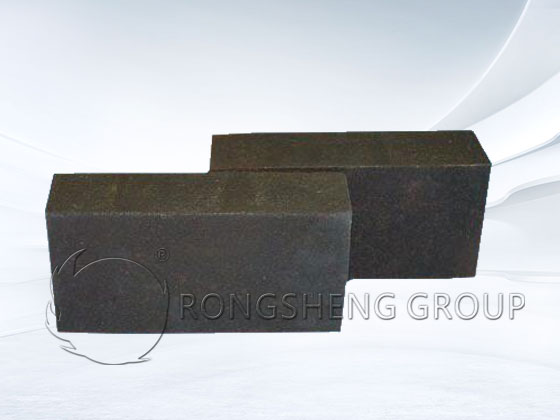
          Due to their excellent refractoriness and high-temperature stability, high-chrome bricks can be widely used in various high-temperature environments. In steelmaking, high-chromium bricks are widely used in the linings of high-temperature furnaces such as blast furnaces, converters, and electric furnaces, including the belly and waist of blast furnaces. High-chromium bricks effectively resist the erosion of high-temperature gas and slag, improving the service life and production efficiency of the blast furnace. In glass melting furnaces, high-chromium bricks can be used in the pool walls and furnace bottom, resisting the erosion and scouring of molten glass while possessing good heat insulation properties, thus contributing to improved glass melting quality and production efficiency. High-chrome bricks also have important applications in the smelting of non-ferrous metals such as copper, aluminum, and zinc. In areas like the tuyeres and slag line of copper smelting furnaces, high-chromium bricks effectively resist the erosion of high-temperature melt and slag, extending the service life of the furnace lining.

          Rongsheng High Chrome Bricks
          Rongsheng High Chrome Bricks

          Free Quote

            Free Quote

            Your Name (required)


            Your Email (required)

            Your Phone

            Required Products (required)

            Enquiry Information

            The Influence of Al2O3-Cr2O3 Solid Solution Particles on the Performance of High-Cr Bricks

            By optimizing particle size distribution, increasing the sintering temperature, and adding novel accelerators and binders, the strength of high-chromium bricks can be improved.

            Specific experimental schemes for adding different fused Al2O3-Cr2O3 solid solutions to high-chromium bricks in granular form are presented. K1, K2, K3, K4, K5, and K6 represent the aggregate portions of the samples, which are 100%, 95%, 90%, 75%, 10%, and 0% aluminum-chromium, respectively.

            The changes in bulk density and apparent porosity of various samples with different Al2O3-Cr2O3 solid solutions added to high-chromium bricks in granular form are also shown. It can be seen that as the Al2O3 content in the added Al2O3-Cr2O3 solid solution increases, the bulk density of the product initially decreases. Then, in scheme K6, i.e., with 0% Aluminum-Cr2O3, the apparent porosity increases, and correspondingly, it first increases, then decreases again with 0% Aluminum-Cr2O3. In this part of the experiment, because the bulk density and apparent porosity of the product are affected not only by the degree of sintering densification but also by the properties of the particles themselves and the theoretical density of different compounds, they do not have a significant effect on predicting local variation trends.

            The cold strength of each sample with different Al2O3-Cr2O3 solid solutions added to high-chrome bricks in granular form was measured. It can be seen that the room-temperature flexural strength and room-temperature compressive strength have the same trend, i.e., first decreasing and then increasing. At scheme K4, i.e., with 75% Aluminum-Cr2O3 particles, the minimum values ​​of 23.8 MPa and 126.3 MPa were reached, respectively. The strengths of schemes K6 and K1, with 0% and 100% aluminum-chromium particles, respectively, were the highest and second highest among all samples, at 42.8 MPa and 192.9 MPa, and 30.4 MPa and 172.1 MPa, respectively. The differences in the physical properties of the products were very significant.

            The high-temperature flexural strength variation trends of the high-chromium brick samples with different Al2O3-Cr2O3 solid solutions in granular form were clearly shown. Scheme K4, with 75% aluminum-chromium particles, had the lowest high-temperature flexural strength at 15.5 MPa. This was significantly lower than Scheme K1 (24.5 MPa) with 100% aluminum-chromium particles and Scheme K6 (24.2 MPa) with 0% aluminum-chromium particles. The high-temperature flexural strength showed a trend of first decreasing and then increasing.

            The residual flexural strength of high-chrome bricks with different Al2O3-Cr2O3 solid solutions added in granular form after thermal shock initially decreased and then increased, reaching a minimum at scheme K4 with 75% aluminum chromium material particles added.

            The effect of Al2O3-Cr2O3 solid solution particles on the static slag resistance of high-chromium bricks. After comparison, it is clear that the thickness of the residual slag layer gradually decreases and disappears from scheme K1 to scheme K5, while a significant slag layer reappears in scheme K6, with an average thickness of approximately 1 mm.

            The effect of Al2O3-Cr2O3 solid solution particles on the resistance to coal slag erosion of high-chromium bricks. Macroscopically, the resistance to coal slag erosion increases from 10.1% to 19.4% in scheme K1 to scheme K5, then decreases to 13.3% in scheme K6.

            The distribution of Si, Ca, and Fe element contents at different distances from the slag surface after static slag resistance tests for schemes K1, K3, K5, and K6, based on the effect of Al2O3-Cr2O3 solid solution particles on the resistance to coal slag erosion of high-chrome bricks. Comparing schemes K1, K3, and K5, it can be seen that the penetration depth and amount of SiO2, CaO, and Fe2O3 in coal slag gradually increase from K1 to K5. Taking the penetration depth of SiO2, CaO, and Fe2O3 as an example, the penetration depths in scheme K1 are 2mm, 3mm, and 1.5mm, while in scheme K5 they are 7mm, 7mm, and 2.5mm, showing a significant increase in penetration depth. Comparing schemes K5 and K6, it can be seen that the penetration depth and amount of SiO2, CaO, and Fe2O3 in scheme K6 are relatively small. Again, taking penetration depth as an example, the values ​​in scheme K6 are 5mm, 5mm, and 2mm, significantly smaller than the corresponding values ​​in scheme K5. Considering the influence trend of different Al2O3-Cr2O3 solid solution particles on the apparent porosity of high-chromium bricks, it can be concluded that the apparent porosity of high-chromium bricks is one of the key factors determining the penetration depth and amount of SiO2, CaO, and Fe2O3 in coal slag.

            Rongsheng High Chrome Bricks Manufacturer
            Rongsheng High Chrome Bricks Manufacturer

            Free Quote

              Free Quote

              Your Name (required)


              Your Email (required)

              Your Phone

              Required Products (required)

              Enquiry Information

              The decrease in chromium oxide content is not the cause of the decline in the physical properties of high-chromium bricks; the changing trends in these indicators are due to differences in densification caused by varying degrees of sintering.

              Except for slightly different trends in bulk density and apparent porosity among the sample groups due to interference from other factors, the cold strength, high-temperature flexural strength, and residual flexural strength after thermal shock of high-chromium bricks with different Al2O3-Cr2O3 solid solutions added in granular form all showed the same trend: first decreasing and then increasing, reaching a minimum at scheme K4 using 75% aluminum chromium particles. These analyses show that the changing trend is consistent with theoretical predictions. That is, the increase in mixing entropy results in a smaller decrease in Gibbs free energy, which is not conducive to effective sintering.

              From the perspective of differentiated high-chrome bricks based on location configuration, compared to K1 and K6, the samples from other schemes all showed a decline in sintering performance (expressed as apparent porosity and bulk density), thermal shock stability, and slag erosion resistance, and therefore cannot be applied. However, compared to K1, while K6 exhibits reduced resistance to slag erosion, it demonstrates improved strengths such as room-temperature flexural strength, room-temperature compressive strength, and thermal shock resistance. Therefore, this design can be used at the cone bottom of a Texaco gasifier, or at the upper part of the cylinder and the cone bottom of a four-nozzle opposed gasifier.

              The fire-facing bricks produced using the K6 design, when used at the cone bottom of a Texaco gasifier, initially had a service life of approximately 6500 hours. After trials, the service life increased by nearly 1000 hours, reaching 7564 hours. Similar results were achieved in industrial applications at the cone bottom of a four-nozzle opposed gasifier. Therefore, the use of high-chromium bricks with 0% aluminum-chromium particles at the cone bottom of a gasifier is effective in improving service life.

              Improving the Sintering Densification of the Matrix

              Improving the sintering densification of the matrix can significantly improve various physical properties of the product, such as room temperature flexural strength and room temperature compressive strength. From the perspective of the structural composition and performance of high-chrome bricks, the entire system can be simply divided into two parts: an aggregate part with a particle size greater than 1 mm and a matrix part with a particle size less than 1 mm. Therefore, the overall mechanical properties of the material will likely be a combination of the following three parts:

              • (1) Mechanical properties of the aggregate part.
              • (2) Mechanical properties of the matrix part.
              • (3) Mechanical properties of the aggregate-matrix bond.

              The sintering conditions of the aggregate particles and matrix bond at the same particle size in schemes K1 and K6 show that, compared to K1, the product in scheme K6 has a tighter bond between the aggregate particles and the matrix, resulting in higher sintering density. Through the comparison of schemes K1 and K6, it can be found that improving the sintering densification between the aggregate and the matrix can improve various physical properties of the product. The photographs of the fracture surfaces of K1 and K6 products show that the fracture does not occur entirely in the matrix or along the edges of the aggregate particles, but rather spans both the matrix and aggregate portions.

              Based on the above analysis, it can be concluded that improving the performance of the aggregate particles, improving the sintering of the matrix, or promoting the densification of the sintering between the aggregate particles and the matrix will all contribute to improving the various physical properties of high-chromium brick products.

              Rongsheng Refractory Materials Manufacturer

              Refractory materials are indispensable for ensuring the stable operation of kilns. As the “heart” of the kiln, the configuration and quality of refractory materials determine the service life and production efficiency of the kiln. With the comprehensive development of the refractory industry, higher requirements are being placed on refractory materials, which in turn promotes the development and technological progress of refractory materials. Rongsheng Refractory Materials Manufacturer will continue to provide reliable refractory lining materials for high-temperature industrial furnaces. Contact Rongsheng for free samples and quotations.

                Get Free Quote

                Your Name (required)

                Your Email (required)

                Your Phone

                Required Products (required)

                Enquiry Information

                Performance Advantages of Silicon Carbide Lithium Battery Saggers

                Against the backdrop of the rapid development of new energy vehicles and energy storage industries, the demand for lithium batteries has exploded. As the core container in the sintering process of lithium battery cathode materials (such as ternary materials and lithium cobalt oxide), the performance of the sagger directly affects sintering efficiency, material quality, and production costs. Traditional alumina saggers are gradually becoming insufficient to meet the demands due to problems such as rapid high-temperature wear and short lifespan. Silicon carbide (SiC) lithium battery saggers, with their unique material properties, are becoming a key direction for industry upgrading. This article will analyze silicon carbide lithium battery saggers from two dimensions: performance advantages and market prospects.

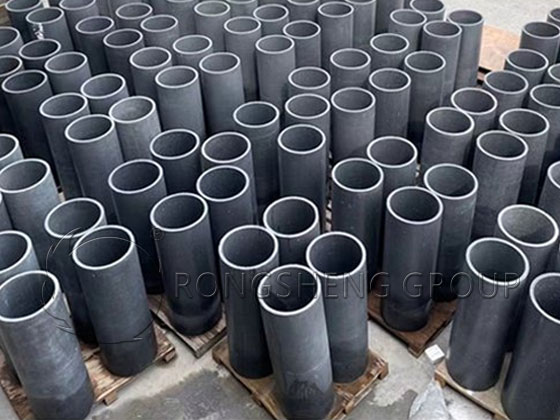
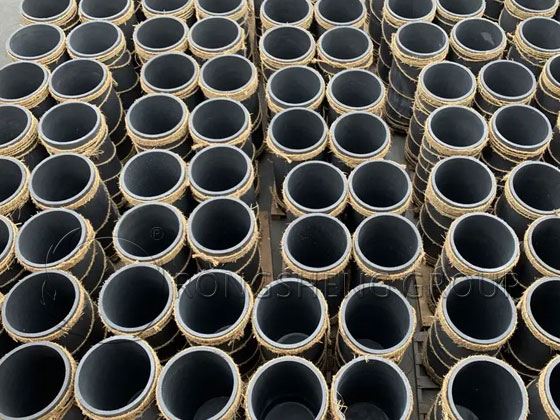
                Silicon Carbide Sagger
                Advantages of Silicon Carbide Sagger

                Free Quote

                  Free Quote

                  Your Name (required)


                  Your Email (required)

                  Your Phone

                  Required Products (required)

                  Enquiry Information

                  Performance Advantages of Silicon Carbide Lithium-ion Battery Saggers: High-Efficiency Sintering

                  Silicon carbide is a ceramic material composed of silicon (Si) and carbon (C), whose crystal structure endows it with excellent physicochemical properties. It exhibits significant advantages in the field of lithium-ion battery saggers:

                  1. Ultra-High Temperature Resistance and Thermal Stability

                  The sintering temperature of lithium-ion battery cathode materials typically needs to reach 800-1000℃ (some high-nickel ternary materials even exceed 1200℃). Traditional alumina saggers are prone to crystal phase transformation at this temperature, leading to volume shrinkage and cracking. Silicon carbide, however, has a melting point as high as 2700℃ and almost no crystal structure change below 1400℃. Its coefficient of thermal expansion is only 4.5×10⁻⁶/℃ (compared to 8×10⁻⁶/℃), enabling it to withstand extreme high temperatures for extended periods without deformation or cracking, significantly extending its service life.

                  1. Extreme Corrosion Resistance: Resistant to Molten Salt and Atmosphere Erosion

                  During sintering, the sagger needs to come into contact with molten materials such as lithium salts (e.g., lithium carbonate) and transition metal oxides, while being exposed to air or an inert atmosphere. Alumina saggers are prone to reacting with alkaline substances, gradually corroding their surface, leading to rough inner walls and material contamination. Silicon carbide has extremely strong chemical stability, resisting acid and alkali erosion from room temperature to high temperatures (except for hydrofluoric acid), and does not react with lithium salts, maintaining a smooth inner wall for a long time, preventing impurities from contaminating the cathode material and improving product purity.

                  1. High Thermal Conductivity and Low Energy Consumption: Accelerated Sintering, Cost Reduction and Efficiency Improvement

                  Silicon carbide has a thermal conductivity as high as 120-150 W/(m·K) (compared to only 20-30 W/(m·K) for alumina), enabling rapid heat transfer, resulting in a more uniform temperature distribution within the sintering furnace, shortening heating time, and improving production efficiency. Meanwhile, its low heat capacity reduces heat accumulation and lowers sintering energy consumption (actual energy savings of approximately 15%-20%), meeting the cost reduction and efficiency improvement needs of the lithium battery industry.

                  Silicon Carbide Saggers
                  Application of Silicon Carbide Saggers

                  Free Quote

                    Free Quote

                    Your Name (required)


                    Your Email (required)

                    Your Phone

                    Required Products (required)

                    Enquiry Information

                    1. Ultra-long lifespan: Overall cost reduction of over 60%

                    Traditional alumina crucibles, due to high-temperature wear and corrosion during continuous use, have an average lifespan of only 30-50 cycles. Silicon carbide crucibles, with their high-temperature and corrosion resistance, can achieve a lifespan of 200-300 cycles (some high-end products exceed 500 cycles). Although the cost per crucible is 30%-50% higher than alumina, the overall cost of use is reduced by over 60%, resulting in significant economic benefits.

                    Application Areas of Silicon Carbide Saggers

                    1. Explosive Downstream Demand: A “Must-Have” for New Energy Vehicles and Energy Storage

                    According to data from GGII (Gaogong Lithium Battery Research Institute), global lithium battery shipments are growing, with power lithium batteries accounting for over 70%. As the core cost unit of lithium batteries (accounting for approximately 40%), the cathode material requires a huge amount of saggers during its sintering process. Estimating the demand of tens of millions of saggers per GWh of ternary cathode material, the annual demand in the power lithium battery sector alone is enormous. With the rapid growth of global energy storage installations, the sagger market will further expand.

                    1. Dual Catalysts of Policy and Technology: Accelerated Replacement Process

                    High-nickel content and single-crystal material are becoming the upgrade directions for cathode materials. High-nickel materials require higher sintering temperatures (above 1200℃), placing more stringent demands on sagger performance. Traditional alumina can no longer meet these requirements, making silicon carbide saggers the inevitable choice. Furthermore, leading battery manufacturers (such as CATL and BYD) and cathode material manufacturers (such as Ronbay Technology and Dangsheng Technology) have accelerated the adoption of silicon carbide crucibles, driving the industry’s substitution process.

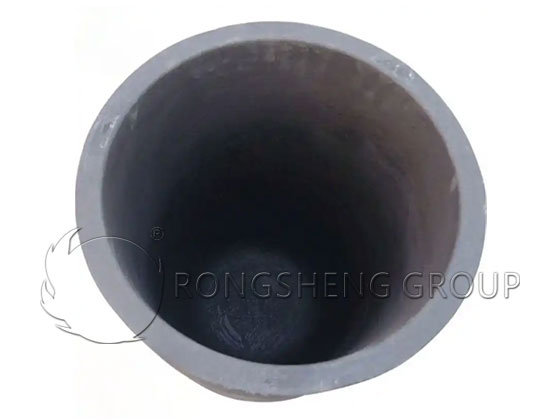
                    Silicon Carbide Crucibles
                    Rongsheng Silicon Carbide Crucibles

                    Free Quote

                      Free Quote

                      Your Name (required)


                      Your Email (required)

                      Your Phone

                      Required Products (required)

                      Enquiry Information

                      1. Technological Iteration: Breakthroughs in Cost Reduction and Scale

                      Early silicon carbide crucibles were limited in large-scale application due to their complex manufacturing process (requiring high-temperature sintering and surface coating treatment) and high cost. In recent years, companies have reduced the cost per unit by optimizing sintering processes (such as pressureless sintering + reactive infiltration) and developing low-cost raw materials (recycled silicon carbide micropowder). Simultaneously, some manufacturers have achieved higher production capacity, and large-scale production further reduces costs.

                      Core Carrier for Industrial Upgrading

                      Silicon carbide lithium-ion battery crucibles, with their advantages of high temperature resistance, corrosion resistance, and long lifespan, have solved the pain points of traditional crucibles, becoming the “upgraded standard” in the sintering process of lithium-ion battery cathode materials. With the rapid growth of the downstream lithium-ion battery industry, policy support for high-end materials, and continuous breakthroughs in manufacturing technology, the silicon carbide crucible market is poised for explosive growth. According to industry forecasts, the global lithium-ion battery crucible market size will increase, with silicon carbide crucibles also accounting for a larger share, becoming a key link in the new energy industry chain that combines technological barriers and market potential.

                        Get Free Quote

                        Your Name (required)

                        Your Email (required)

                        Your Phone

                        Required Products (required)

                        Enquiry Information

                        What Types of Special Kiln Furniture are Used to Support Ceramic Blanks?

                        Sintering vessels are specialized kiln furniture used to support the fired ceramic blanks or to hold powders, such as cathode materials, magnetic powders, and high-purity ceramic materials, which are calcined and synthesized before undergoing heat treatment in roller kilns, pusher kilns, or tunnel kilns. Depending on the firing process of the user, this kiln furniture will be subjected to different heating conditions, and the material of these products depends on the type of sintered body and the heat treatment process.

                        Saggers/Crucibles

                        Saggers are used to hold powders (lithium-ion battery cathode materials, magnetic powders, high-purity ceramic powders) for heat treatment in roller kilns, pusher kilns, and tunnel kilns. They are generally formed using extrusion, machine pressing, casting, and isostatic pressing processes, with the appropriate forming process selected based on the composition and structure of the product. Widely used materials include cordierite-mullite, corundum-mullite, silicon carbide, and graphite. Their application is most prevalent in the synthesis of lithium-ion cathode materials.

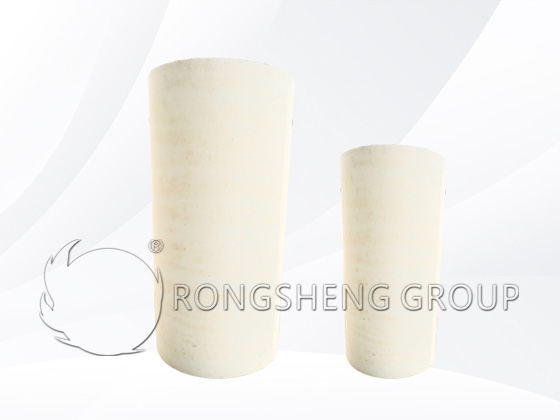
                        Cordierite Mullite Sagger
                        Cordierite Mullite Sagger

                        Free Quote

                          Free Quote

                          Your Name (required)


                          Your Email (required)

                          Your Phone

                          Required Products (required)

                          Enquiry Information

                          Cordierite-mullite saggers are widely used in the field of lithium-ion battery cathode materials due to their excellent thermal shock resistance and economic efficiency.

                          Aluminum-silicon saggers generally have a short lifespan due to the strong alkalinity and low melting point of lithium carbonate/lithium hydroxide, which are highly corrosive to acidic refractory materials.

                          Corundum saggers are mainly used for calcining some high-purity powders in environments with less severe thermal shock conditions and high operating temperatures. For example, the calcination of high-purity alumina powder requires the sagger to be fired at 1800℃, using alumina active powder with an Al2O3 content of 99.9wt% and low-sodium white corundum. The binder uses low-ash content (Ash ≤ 0.01wt%), ensuring effective impurity control throughout the raw material process, and achieving a low coefficient of thermal expansion through sufficient high-temperature firing.

                          Graphite and silicon carbide saggers possess high thermal conductivity, high-temperature resistance, and excellent thermal shock resistance. While their oxidation resistance is poor, they exhibit excellent resistance to alkaline corrosion under reducing atmospheres. Graphite saggers are commonly used as containers for loading materials during high-temperature sintering in reducing atmospheres, applied in lithium iron phosphate sintering and electromagnetic material sintering. Traditional graphite saggers are produced through machining, which is inefficient and costly. Silicon carbide saggers are also widely used in pharmaceuticals, fine chemicals, engineering metallurgy, and pickling industries.

                          Firing Plates

                          Firing plates must withstand the thrust of movement and the friction of loading and unloading products during service, and must not crack under thermal cycling. While meeting the thermal shock resistance requirements, improving the bending and crack resistance of the firing plate is crucial. The firing plate material must have excellent chemical inertness and not react with the products it supports. Firing plate materials include alumina, zirconium oxide, and composite materials, mainly used in electronic ceramics and special ceramics.

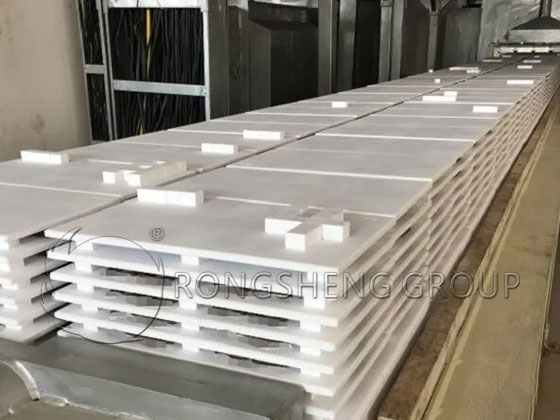
                          Corundum Firing Plate
                          Corundum Firing Plate

                          Free Quote

                            Free Quote

                            Your Name (required)


                            Your Email (required)

                            Your Phone

                            Required Products (required)

                            Enquiry Information

                            Corundum firing plates refer to high-end kiln furniture with α-Al₂O₃ as the main crystalline phase. They possess excellent properties such as high strength, corrosion resistance, high temperature resistance, and wear resistance. They exhibit minimal deformation at high temperatures (>1650℃), but have high sintering temperatures and poor thermal shock stability. During the firing process of lead zirconate titanate piezoelectric ceramics, corundum firing plates face phenomena such as central warping, surface layered powdering, and peeling.

                            Zirconia is a corrosion-resistant, high-temperature refractory oxide. Zirconia sintering plates are frequently used as sintering pads in dielectric ceramics, powder metallurgy, chip capacitors, and ferrite magnetic materials to prevent parts from sticking together during sintering and to prevent the loss of electromagnetic properties of electronic components.

                            The firing temperature of conductive ceramics and device ceramics is generally between 1400 and 1650℃, and they are mostly corundum-mullite, corundum, or composite materials.

                            Barium titanate ceramics are a star product in the electronic ceramics industry. Sintering is a crucial step in its preparation process, determining the densification and microstructure of barium titanate; therefore, the quality of the sintering plate is particularly important. Because barium titanate has a low melting point (1625℃), high density, and is alkaline, traditional aluminosilicate kiln furniture easily reacts with it, leading to product contamination. Foreign kiln furniture manufacturers have applied plasma spraying technology to the sintering plate preparation process. The firing plate features a corundum-mullite interlayer and a zirconium oxide cladding coating, offering high thermal shock resistance and preventing reaction or adhesion with the fired chip-type multilayer ceramic capacitors.

                            With industrial development, the variety of products fired has increased, expanding the application areas of kiln furniture beyond ceramics to include fine chemicals and lithium-ion batteries. The performance requirements for kiln furniture materials, considering the characteristics of the fired products, are no longer limited to mechanical strength and thermal shock stability. Some applications also require excellent corrosion resistance and non-contamination of the fired products. Different corrosive media necessitate different requirements for kiln furniture materials. For example, in the production of lithium-ion battery cathode materials, kiln furniture materials must possess excellent thermal shock stability and resistance to alkaline lithium compounds. In the production of piezoelectric ceramics, kiln furniture materials must resist lead and its compounds.

                            Rongsheng High-Performance Corundum-Mullite Kiln Furniture

                            With the rapid development of science and technology and the economy, magnetic materials, functional ceramics, and electronic ceramics have been widely used in information, electronics, machinery, and chemical industries. This has also driven the rapid growth in demand for high-performance corundum-mullite kiln furniture materials.

                            Kiln furniture is a special type of refractory material, primarily serving to support and protect fired products. Product forms mainly include pushers, firing supports, and saggers. During service, kiln furniture is subjected to high temperatures, compression, friction, and thermal cycling, and its damage often manifests as fracture or deformation. Therefore, the key performance requirements for kiln furniture materials lie primarily in their high-temperature mechanical properties, which determine their performance, such as high-temperature flexural strength, high-temperature creep resistance, and thermal shock resistance. Improving these performance characteristics involves the design of the material’s microstructure and its resistance to damage under complex stress conditions under high-temperature loads. This requires in-depth research and development in areas such as raw material selection, matrix material treatment, process control, and thermal stress distribution.

                            Through rational selection of raw materials, optimized microstructure design, scientific product firing process, and stress distribution calculation, high-performance corundum-mullite kiln furniture has been developed. It can be widely used in the sintering of structural ceramics, electronic ceramics, and powder metallurgy parts.

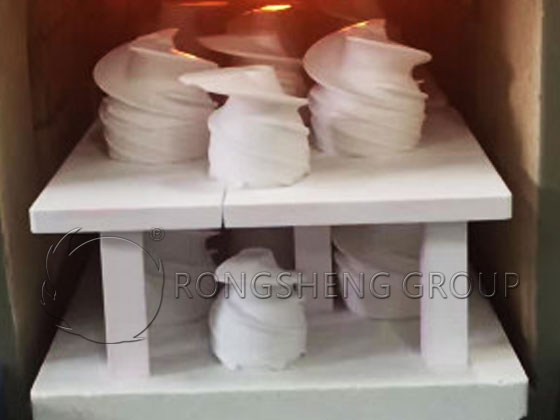
                            High-performance Corundum Mullite Kiln Furniture
                            High-performance Corundum Mullite Kiln Furniture

                            Free Quote

                              Free Quote

                              Your Name (required)


                              Your Email (required)

                              Your Phone

                              Required Products (required)

                              Enquiry Information

                              Technical Advantages of High-Performance Corundum-Mullite Kiln Furniture

                              1. Operating temperature up to 1750℃.
                              2. Strong creep resistance.
                              3. Meets the requirements of environments with strong thermal shock.

                              Applications of Corundum-Mullite Kiln Furniture

                              Corundum-mullite kiln furniture is an essential consumable refractory material in the ceramics industry, characterized by high demand and wide application. It is mainly used in the sintering of high-tech ceramics and powder metallurgy parts, such as electronic ceramics (MLCCs, varistors, magnetic materials, filters), Al2O3 structural ceramics (substrates, ceramic films, spark plugs, grinding media), ZrO2 structural ceramics (zirconia knives, mobile phone backplates, bearings, fiber optic ferrules), stainless steel, titanium alloys, etc.

                              High-performance corundum-mullite kiln furniture is used in pusher kilns to fire zirconia knives. High-performance corundum-mullite kiln furniture is used in pusher kilns to fire alumina ceramics.

                                Get Free Quote

                                Your Name (required)

                                Your Email (required)

                                Your Phone

                                Required Products (required)

                                Enquiry Information

                                The Influence of Binder on the Properties of Silicon Carbide Mortar

                                Silicon carbide fire mortar is used for the construction or bonding of silicon carbide bricks in blast furnaces, silicon carbide bricks in blast furnace cooling walls, silicon carbide bricks in aluminum electrolysis cells, and silicon carbide bricks in ceramic kilns. Currently, silicon carbide fire mortar mainly uses liquid phenolic resin as a binder, which is mixed evenly in a certain amount before construction. The overall structure after construction must have good structural stability and airtightness, and be able to withstand various physicochemical reactions at high temperatures, so that the equipment can operate safely and stably. During the production, transportation, and use of fire putty, pure phenolic resin is brittle, highly toxic, has a high curing temperature, slow speed, and is prone to cracking and has low wear resistance after curing. This results in low production efficiency, high energy and equipment consumption, and the need to dissolve and dilute it with flammable and explosive materials during the mixing process, which seriously pollutes the environment and causes adverse effects. To solve these problems, three binders were used in the experiment, and comparative tests were conducted on three aspects: cone penetration, bonding time, and bonding strength.

                                Rongsheng Silicon Carbide Mortar
                                Rongsheng Silicon Carbide Mortar

                                Free Quote

                                  Free Quote

                                  Your Name (required)


                                  Your Email (required)

                                  Your Phone

                                  Required Products (required)

                                  Enquiry Information

                                  Raw Materials and Proportions of Silicon Carbide Mortar Used in the Experiment

                                  The main raw materials used in the experiment included: silicon carbide particles (0.5–0 mm) and fine powder (≤0.074 mm) with a w(SiC) content of 98.3%; clay fine powder with a w(Al₂O₃) content of 34.2% and a w(SiO₂) content of 48.3%; alumina sol solid fine powder with a w(Al₂O₃) content of 32.3%; Secar 71 cement fine powder; solid water glass fine powder with a modulus of 2.8; and additives.

                                  The aggregate to fine powder was prepared according to a mass ratio of 40:60, and three different binders were added. The samples were numbered A, B, and C, where A represents alumina sol solid, B represents Secar 71 cement, and C represents solid water glass. The numbers correspond to the amount of binder added.

                                  Sample Preparation and Performance Testing

                                  According to the sample composition formula, the prepared materials were poured into a small mixer and dry-mixed for 1 minute. Then, 10% (w) water was added and mixed for 3 minutes, then an appropriate amount of water was added and mixed for another 3 minutes to form a slurry. The cone penetration, bonding time, and flexural bonding strength of each formulation sample were determined according to GB/T 22459—2008 (drying at 110℃ for 24 hours and charring at 1300℃ for 3 hours).

                                  Performance of Silicon Carbide Firemortar with Different Binders

                                  • (1) Silicon carbide firemortar using alumina sol as a binder exhibited the best cone penetration after 1 hour of standing. Silicon carbide firemortar using solid water glass as a binder showed the best cone penetration after 0.5 hours. However, silicon carbide firemortar using Secar 71 cement as a binder rarely achieved ideal cone penetration.
                                  • (2) In silicon carbide firemortar, when using alumina sol and solid water glass as binders, the bonding time of samples with binder additions between 4% and 10% (w) was within the national standard requirements. However, when using Secar 71 cement as a binder, the bonding time requirement was only met when the binder addition was 2% (w).
                                  • (3) Silicon carbide firemortar exhibited the best flexural bond strength after baking and heat treatment when the alumina sol solid addition was 8% (w). The flexural and bond strength properties were best when the solid water glass content was 6% (w) after drying and heat treatment. However, the strength of the Secar 71 cement sample after drying was too low, while the strength after heat treatment increased with the increase in content.
                                  Silicon Carbide Mortar for SiC Bricks
                                  Silicon Carbide Mortar for SiC Bricks

                                  Free Quote

                                    Free Quote

                                    Your Name (required)


                                    Your Email (required)

                                    Your Phone

                                    Required Products (required)

                                    Enquiry Information

                                    What type of refractory mortar is used for laying corundum-silicon carbide composite bricks?

                                    When laying corundum-silicon carbide composite bricks, it is essential to use refractory mortar of the same material, namely corundum-silicon carbide refractory mortar. This is because refractory mortars of the same material have identical performance characteristics and can resist the same furnace atmosphere under the same high temperatures or erosion conditions. There are various types of corundum-silicon carbide composite bricks, including precast bricks and sintered corundum-silicon carbide bricks.

                                    Precast bricks do not require refractory mortar. This is because precast bricks are generally produced in small quantities and are cast according to specific brick shapes for specific locations, thus requiring no refractory mortar for laying.

                                    Sintered corundum-silicon carbide composite bricks, however, are sintered at high temperatures and are generally used in areas of high furnace lining temperature and severe erosion and wear. The required quantity is larger than for precast bricks. Therefore, refractory mortar of the same material must be used for laying them, with the refractory mortar acting as a bonding material to seal the gaps between the bricks.

                                    What phenomena occur with refractory mortar under high temperatures?

                                    When preparing corundum-silicon carbide refractory mortar, the amount of silicon carbide added to the corundum-silicon carbide composite bricks must be considered. Generally, the proportion of silicon carbide added to the mortar should match the proportion added to the refractory bricks. This ensures that the performance is essentially the same for the same material. If too much silicon carbide is added, the bonding during construction will be poor, making construction impossible. Forcibly adding a binder to adjust the amount will affect the later strength. If an unbalanced proportion of silicon carbide is not used, or if refractory mortar without silicon carbide is used, the mortar will crack and fall off at high temperatures. Falling mortar will cause the brick layer to settle, leading to furnace shutdowns for maintenance and production delays.

                                    Therefore, corundum-silicon carbide composite bricks must be laid with corundum-silicon carbide refractory mortar. This ensures that the material, atmosphere, operating temperature, and resistance to erosion and abrasion are identical.

                                      Get Free Quote

                                      Your Name (required)

                                      Your Email (required)

                                      Your Phone

                                      Required Products (required)

                                      Enquiry Information

                                      Alumina-Silicate Refractory Materials for Rotary Kilns Used in Calcining Magnesia Materials

                                      A certain company utilizes a rotary kiln to fire magnesia-based materials with an MgO content of approximately 30%. The kiln’s firing zone spans a length of 20 to 30 meters, with a firing temperature of around 1470°C and a shell surface temperature ranging from 300°C to 310°C. When using high-alumina bricks with a 65–75% alumina content, the service life of the rotary kiln lining is less than 20 days; with 80% high-alumina bricks, the service life extends to only about 30 days. The severe erosion of refractory materials necessitates frequent kiln maintenance, which significantly compromises both product quality and production efficiency. Consequently, the company is seeking non-magnesia refractory materials suitable for rotary kilns, aiming to ensure a service life of at least six months.

                                      Refractory Materials for Rotary Kilns Used in Calcining Magnesian Materials

                                      Application of the Original 80% High-Alumina Bricks in the Rotary Kiln

                                      The characteristics of the 80% high-alumina bricks after 30 days of service were observed; from the surface of the used bricks, the primary manifestations were severe penetration and corrosion. An analysis was conducted on the physicochemical properties of the high-alumina bricks originally used in this rotary kiln. A static crucible method was employed to perform corrosion resistance tests on the 80% high-alumina bricks. Magnesian material was packed into the test specimens, and the temperature was raised at a specific heating rate to 1500°C. After holding at this temperature for 3 hours, the specimens were allowed to cool naturally within the furnace to room temperature, after which they were cut open along their central axis.

                                      Grade-I High Alumina Bricks
                                      Grade-I High Alumina Bricks

                                      Free Quote

                                        Free Quote

                                        Your Name (required)


                                        Your Email (required)

                                        Your Phone

                                        Required Products (required)

                                        Enquiry Information

                                        Deterioration of the Original 80% High-Alumina Bricks in the Rotary Kiln

                                        Analysis of the Deterioration Characteristics of the High-Alumina Bricks

                                        Based on the physicochemical properties of the high-alumina bricks, it is evident that the material possesses high porosity, and its initial load-softening temperature is only 1418°C—significantly lower than the operating temperature of 1450–1470°C within the kiln’s firing zone. Consequently, during operation, the refractory material undergoes softening and deformation, leading to accelerated corrosion. Furthermore, an analysis of the bricks’ reheat linear change rate reveals that these 80% high-alumina bricks exhibit a tendency to shrink at high temperatures; this characteristic makes them highly susceptible to the widening of brick joints. Such widening compromises the structural integrity of the kiln shell and accelerates the deterioration of the refractory lining.

                                        Corroborated by the characterization results of the corrosion resistance tests, the surfaces of the specimens appeared loose and porous following the reaction, exhibiting distinct signs of material penetration. This indicates that under high-temperature conditions, a liquid phase continuously forms and permeates through the brick joints, thereby expanding the surface area exposed to corrosion. This process accelerates the rate of deterioration, ultimately leading to a loss of structural integrity in the rotary kiln and a shortened service life.

                                        Analysis of the Deterioration Mechanism of the High-Alumina Bricks

                                        (1) Chemical Corrosion: This rotary kiln is utilized for the production of magnesian materials, which are primarily composed of MgO and SiO₂. Consequently, chemical reactions occur within a binary system dominated by MgO and SiO₂.

                                        During the operation of the kiln, when the raw materials—predominantly MgO and SiO₂—come into contact with the Al-rich refractory lining (i.e., when Al₂O₃ is introduced into the MgO-SiO₂ system), a ternary MgO-SiO₂-Al₂O₃ system is formed. When 2MgO·SiO2 comes into contact with Al2O3, cordierite (2MgO·2Al2O3·5SiO2) begins to form at temperatures exceeding 1250°C; this newly formed cordierite subsequently decomposes and melts at 1460°C. Furthermore, within this ternary system, Al2O3 reacts not only with the MgO component to form MgAl2O4 (spinel) but also with the SiO2 component to form Al6SiO13 (mullite).

                                        The formation of spinel is accompanied by a volume expansion of 5% to 8%. When combined with the liquid-phase melting induced by interfacial reactions, this process leads to the deterioration and damage of the refractory materials, ultimately compromising the overall service life of the kiln.

                                        (2) Mechanical Stress. Rotary kilns are typically inclined at a gradient of 3% to 5%. During the production process, as the kiln rotates at a specific speed, the internal refractory lining is subjected to various forces: it experiences inertial forces that induce a tendency toward downward movement, while simultaneously enduring compressive stresses from the kiln shell as well as erosive wear caused by the flow of materials—all of which contribute to the degradation and failure of the refractory lining.

                                        high alumina bricks
                                        Rongsheng High Alumina Bricks

                                        Free Quote

                                          Free Quote

                                          Your Name (required)


                                          Your Email (required)

                                          Your Phone

                                          Required Products (required)

                                          Enquiry Information

                                          Required Properties for Refractory Materials in Rotary Kilns

                                          Based on the composition of the magnesia-based raw materials being calcined, the operating environment, and the firing temperature—and informed by an analysis of the failure mechanisms observed in high-alumina bricks previously used in such rotary kilns—the refractory materials intended for use in magnesia-calcining rotary kilns must possess specific properties. These include high density, high mechanical strength, and a high refractoriness under load (softening point). Furthermore, they must exhibit excellent resistance to chemical corrosion by the magnesia-based raw materials being processed, as well as favorable kiln lining-forming (coating) characteristics.

                                          Material Selection

                                          In response to client feedback regarding the poor spalling resistance and high cost of traditional magnesia-based refractories—which were deemed unsuitable for the current operational requirements of this specific rotary kiln—this study focused on selecting alternative refractory materials primarily based on the alumina-silica system. Specifically, samples of the following material types were selected for evaluation: mullite-andalusite bricks, high-alumina silicon carbide bricks, special high-alumina bricks, and corundum-spinel bricks. Subsequently, a static crucible test method was employed to analyze and compare their respective corrosion resistance capabilities. In this procedure, the magnesia-based raw material was packed into a cavity within each refractory sample. The samples were then heated at a controlled rate to a peak temperature of 1500°C, held at this temperature for 3 hours, and finally allowed to cool naturally within the furnace back to room temperature. Each sample was then sectioned along its central axis to facilitate a detailed examination of the corrosion resistance exhibited by the different refractory materials against the magnesia-based raw material.

                                          Corrosion Resistance Results and Discussion

                                          Based on the experimental data, the ranking of the materials in terms of corrosion resistance (from highest to lowest) is as follows: Sample #4 > Sample #2 > Sample #3 > Sample #1 > 80% High-Alumina Brick. The ranking in terms of penetration resistance (from highest to lowest) is: Sample #2 > Sample #1 > Sample #3 > 80% High-Alumina Brick > Sample #4.

                                          • (1) Sample #1 consists of a mullite-andalusite composition. At high temperatures, the magnesia-based raw material reacted with the brick, resulting in the formation of a white, flocculent reaction layer on the brick’s surface. This material features a relatively high SiO₂ content; consequently, within the temperature range of 1200°C to 1300°C, an accelerated reaction occurs between the SiO₂, Al₂O₃, and MgO components, leading to the formation of cordierite. As the temperature continues to rise, the newly formed cordierite undergoes decomposition and melting at approximately 1450°C. This process releases a significant amount of supercooled liquid phase, which adheres to the surface of the raw material being processed, thereby causing corrosion of the refractory lining. While the overall corrosion resistance of this material is considered moderate, its high density endows it with excellent resistance to material penetration.
                                          • (2) Sample #2 consists of high-alumina silicon carbide bricks. Following the incorporation of silicon carbide, the SiC on the surface oxidizes to form a dense, protective film of SiO2, which effectively prevents further erosion and infiltration of the brick by the magnesia-based materials. Consequently, this material exhibits superior resistance to both erosion and infiltration.
                                          • (3) Sample #3 consists of special high-alumina bricks. The material surface appears white, and signs of erosion and infiltration are minimal; internally, this high-alumina brick develops a composite corundum-mullite phase structure. The mullite phase enhances the compactness of the structural network, thereby improving infiltration resistance. The corundum phase serves to resist erosion; specifically, when the refractory surface reacts with the magnesia-based materials at high temperatures, a molten phase is formed. Upon subsequent crystallization, this material adheres to the refractory surface, creating a structural layer resembling a kiln coating, which effectively prevents further erosive reactions of the refractory. Overall, this material is rated as having good resistance to both erosion and infiltration, while also offering the lowest cost.
                                          • (4) Sample #4 consists of corundum-spinel bricks. While they demonstrate good resistance to erosion, their resistance to infiltration is poor, and their cost is high.

                                          Based on a comprehensive evaluation of the erosion resistance and cost of the four materials, the high-alumina silicon carbide bricks and the special high-alumina bricks were identified as the preferred choices. However, when analyzed from the perspectives of thermal conductivity and cost-effectiveness, the high-alumina silicon carbide bricks possess both higher thermal conductivity and a higher price point than the special high-alumina bricks; therefore, the special high-alumina bricks were ultimately selected. The reaction characteristics observed between the molten magnesia-based materials and the special high-alumina bricks indicate that the latter possesses excellent capability for forming a protective kiln coating.

                                          Rongsheng Special High-Alumina Bricks for Rotary Kilns
                                          Rongsheng Special High-Alumina Bricks for Rotary Kilns

                                          Free Quote

                                            Free Quote

                                            Your Name (required)


                                            Your Email (required)

                                            Your Phone

                                            Required Products (required)

                                            Enquiry Information

                                            Performance Optimization of Special High-Alumina Bricks

                                            To better meet the operational demands of rotary kilns used for calcining magnesia-based materials, the specifications and manufacturing processes of special high-alumina bricks have undergone optimization. By optimizing the matrix A/S (Alumina-to-Silica) ratio, a composite corundum-mullite phase structure was generated; the mullite phase enhances the compactness of the structural network, thereby improving resistance to penetration, while the corundum phase serves to resist erosion. The newly optimized special high-alumina bricks exhibit excellent physicochemical properties, along with superior resistance to both erosion and penetration.

                                            Static crucible tests were conducted to analyze the erosion resistance of the optimized special high-alumina bricks, demonstrating their excellent capability to withstand erosion.

                                            Product Application Results

                                            • (1) Monitoring of the special high-alumina bricks in actual customer operations revealed that the rotary kiln has operated continuously for 900 days, representing a significant extension of service life. During this period, no kiln shutdowns for maintenance were necessitated by issues such as erosion, spalling, or brick detachment. Production efficiency and product quality were successfully safeguarded, earning the product high acclaim from the client.
                                            • (2) These special high-alumina bricks possess moderate thermal conductivity and excellent capability for forming a protective kiln coating (clinker coating). The surface temperature of the kiln shell in the firing zone remained at approximately 240°C—a reduction of about 60°C compared to previous operations. On one hand, this prevents plastic deformation of the kiln shell caused by excessive heat, thereby reducing safety risks associated with kiln operation. On the other hand, the reduction in heat loss from the kiln shell surface not only achieves the objective of energy conservation and cost reduction but also improves the working environment at the production site.
                                            • (3) A microscopic analysis was performed on the special high-alumina bricks after 900 days of service. Observations of the reaction layer—magnified 56 times—combined with EDS (Energy-dispersive X-ray spectroscopy) scanning analysis, revealed that the magnesia-based charge material (predominantly composed of Mg and Si at a macroscopic level) had not induced any significant penetration reactions within the special high-alumina bricks.

                                            Further high-magnification analysis of the reaction and erosion layers of the used bricks revealed an enrichment of K and Na elements on the surface of the refractory’s reaction layer. This enrichment resulted in the formation of a protective liquid-phase layer, which effectively prevented further erosion of the refractory material. When the reaction layer was magnified 300 times, the dynamic reaction processes occurring between the refractory material and the magnesia-based raw materials during kiln operation could be clearly observed. Measurements indicated that the thickness of the formed protective liquid-phase layer ranged from approximately 150 to 300 μm. The interior of the refractory material has not suffered erosion or damage from the magnesia-based raw materials; based on an assessment of the current performance of this specialized high-alumina brick, its service life is projected to exceed five years.

                                              Get Free Quote

                                              Your Name (required)

                                              Your Email (required)

                                              Your Phone

                                              Required Products (required)

                                              Enquiry Information

                                              Fused-Cast Z80 Bricks for Glass Furnaces

                                              Properties of Fused-Cast Z80 Bricks. Linear Thermal Expansion Rate: The linear thermal expansion rate is one of the key parameters for evaluating the performance of refractory materials. It reflects the dimensional changes a material undergoes in response to temperature fluctuations. This parameter is crucial for the selection of furnace body materials in fused-cast furnaces, as it directly impacts the structural stability and crack resistance of the furnace.

                                              A comparison of the linear thermal expansion rates of Fused-Cast Z80 bricks and Fused-Cast AZS41# bricks reveals that the rates for both materials are quite similar at 1400°C. However, the variation in the linear thermal expansion rate of Fused-Cast Z80 bricks across different temperature ranges is significantly smaller. Consequently, Fused-Cast Z80 bricks present a lower risk of cracking during heating cycles or rapid temperature changes (thermal shock). By selecting Fused-Cast Z80 bricks as the refractory material, it is possible to more effectively mitigate structural damage to glass furnaces caused by temperature fluctuations, thereby enhancing the safety and reliability of fused-cast furnaces throughout their operational cycles.

                                              Bubble Generation Rate. The bubble generation rate of Fused-Cast Z80 bricks stands at 0% at 1300°C and 0.1% at 1500°C—levels considered extremely low. Fused-Cast Z80 bricks exhibit the lowest bubble generation rate among comparable materials, demonstrating excellent efficacy in suppressing bubble defects in glass products caused by the refractory lining. This superior performance is attributed to the uniform elemental composition and density distribution of Fused-Cast Z80 bricks; as they undergo no changes in their phase structure, they are able to consistently maintain an exceptionally low bubble generation rate.

                                              Fused Bricks for Glass Furnaces
                                              Fused Bricks for Glass Furnaces

                                              Free Quote

                                                Free Quote

                                                Your Name (required)


                                                Your Email (required)

                                                Your Phone

                                                Required Products (required)

                                                Enquiry Information

                                                Physicochemical Properties of Fused-Cast Z80 Bricks

                                                As a refractory material utilized in glass melting furnaces, the physicochemical properties of fused-cast Z80 bricks are of paramount importance. A comparative analysis against fused-cast AZS33#, AZS41#, and fused-cast 95% high-zirconia bricks reveals that the Z80 variety is characterized by a low impurity content, as well as high uniformity in apparent porosity and density. During service, the material exhibits no formation of glass phases, bubbles, or needle-like defects; furthermore, it possesses a relatively low coefficient of thermal expansion. Consequently, it demonstrates excellent resistance to corrosion, erosion, and thermal shock. Its comprehensive performance significantly surpasses that of fused-cast AZS33# and AZS41# bricks, placing it on par with fused-cast 95% high-zirconia bricks. However, given that its cost is lower than that of fused-cast 95% high-zirconia bricks, it offers an optimal balance between extending the service life of glass furnaces and managing investment costs.

                                                Microstructure of Fused-Cast Z80 Bricks

                                                The grain size of fused-cast Z80 bricks is significantly smaller than that of fused-cast 95% high-zirconia bricks—a characteristic that exerts multifaceted influences on the material’s overall performance.

                                                First, a smaller grain size results in a higher density of grain boundaries. As key pathways for diffusion, grain boundaries effectively impede ion migration within high-temperature environments, thereby enhancing the material’s corrosion resistance and chemical stability. During the vitrification process of fly ash, fused-cast Z80 bricks demonstrate superior corrosion resistance, thereby minimizing material loss.

                                                Second, a fine and uniformly distributed grain structure contributes to improved overall strength and toughness. Compared to materials with coarse grains, fine-grained materials exhibit reduced internal stress concentration and possess more tortuous crack propagation paths. Consequently, fused-cast Z80 bricks offer superior thermal shock stability and mechanical strength, resulting in a lower risk of fracture. In summary, the fine-grained microstructure of fused-cast Z80 bricks makes them an ideal choice for the refractory lining configurations of fly ash vitrification furnaces.

                                                Fused-cast Z80 bricks possess exceptional resistance to thermal shock and exhibit favorable thermal penetration characteristics. During the furnace heat-up and commissioning process, fused-cast Z80 bricks remain free from cracking caused by thermal shock or linear thermal expansion variations; moreover, their efficient thermal penetration minimizes thermal shock-induced damage to the adjacent outer refractory layers.

                                                Performance of Electrofused Z80/AZS Composite Bricks

                                                Compared to electrofused AZS bricks, electrofused Z80 bricks exhibit superior resistance to corrosion and erosion, as well as excellent reheat performance; however, they come at a higher cost. Conversely, electrofused AZS bricks possess commendable mechanical strength and thermal stability. To extend furnace service life and reduce refractory material costs, a composite brick—comprising electrofused Z80 as the working face material and electrofused AZS as the backing support—has been developed. To ensure a robust bond between the two materials, a method combining physical structural design with the use of a high-temperature binder was adopted. During fabrication, mechanical interlocking was achieved through the precise control of interfacial roughness and geometry, while a high-temperature binder with a zirconia (ZrO₂) content of 90% by mass was selected to fill and reinforce the interface. Upon drying and curing at 200°C, this binder forms a strong bonding layer that enhances the structural integrity of the assembly and improves the composite material’s resistance to thermal shock and chemical attack.

                                                In practical applications, the electrofused Z80/AZS composite brick has demonstrated excellent performance when compared against the electrofused AZS41# bricks and fused-cast 95# high-zirconia bricks produced by a renowned domestic manufacturer. The electrofused Z80/AZS composite brick offers several significant advantages in real-world usage:

                                                • (1) It resolves the inherent challenge faced by single-material refractories—namely, the difficulty of simultaneously balancing manufacturing costs with performance requirements.
                                                • (2) Through rational material pairing and optimized design, it enhances the cost-effectiveness of the refractory lining configuration, enabling users to achieve a longer furnace service life with a lower initial investment.
                                                • (3) It reduces the frequency of maintenance and material replacements, thereby minimizing furnace downtime and generating substantial economic benefits for enterprises.

                                                  Get Free Quote

                                                  Your Name (required)

                                                  Your Email (required)

                                                  Your Phone

                                                  Required Products (required)

                                                  Enquiry Information

                                                  Requirements for Binders for Al2O3-SiC-C Bricks (Alumina Silicon Carbide Carbon Bricks)

                                                  Binders play a pivotal role in the production of Al₂O₃-SiC-C bricks (alumina-silicon carbide-carbon bricks), significantly influencing the mixing and forming properties of the green mix, as well as the microstructure of the final product. The primary requirements for binders used in Al₂O₃-SiC-C bricks are as follows:

                                                  • (1) They must exhibit excellent wettability with the Al₂O₃-based refractory aggregates and matrix materials.
                                                  • (2) They should contain no—or minimal—components that are harmful to human health.
                                                  • (3) The properties of the mixed batch should remain relatively stable over time, and the extent of chemical reaction with the aggregates should be minimal.
                                                  • (4) During the heating process of the product, the binder should maintain a high residual carbon yield; furthermore, the polymer structure formed after carbonization must possess excellent high-temperature strength.

                                                  Good wettability between the binder and the refractory aggregates and graphite—combined with appropriate viscosity—can significantly enhance the bulk density and mechanical strength of the final product. Moreover, excellent wettability with graphite facilitates the uniform dispersion of graphite particles throughout the product, ideally forming a continuous network structure. Upon carbonization, this network evolves into a continuous carbon-bonded skeleton, thereby substantially improving both the mechanical strength and high-temperature slag resistance of the product. Consequently, the selection of an appropriate binder is of paramount importance. In the manufacture of Al₂O₃-SiC-C bricks, phenolic resins and aluminum dihydrogen phosphate are frequently selected as the binders.

                                                  Alumina Silicon Carbide Carbon Bricks
                                                  Alumina Silicon Carbide Carbon Bricks

                                                  Free Quote

                                                    Free Quote

                                                    Your Name (required)


                                                    Your Email (required)

                                                    Your Phone

                                                    Required Products (required)

                                                    Enquiry Information

                                                    Phenolic Resins

                                                    Phenolic resins are synthesized through a polycondensation reaction involving phenolic compounds (such as cresol, phenol, xylenol, and resorcinol) and aldehyde compounds (such as formaldehyde and furfural), catalyzed by acids or bases. In the refractory industry, phenolic resins are widely utilized in the production of carbon-containing refractories due to their high carbon yield, excellent bonding strength—which enhances product mechanical strength—low emission of harmful volatile organic compounds, and high thermal stability. Based on their thermal behavior and structural morphology, they are primarily classified into two categories: thermosetting phenolic resins and thermoplastic phenolic resins.

                                                    In the fabrication of Al2O3-SiC-C bricks, thermosetting phenolic resins are typically selected as the binder; they are generally added at a concentration of approximately 5%, resulting in refractory products with relatively low porosity after molding. When subjected to heat in a neutral or reducing atmosphere, phenolic resins undergo thermal decomposition, generating gaseous products such as CO2, CO, CH4, H2, and H2O.

                                                    Within the temperature range of 200°C to 1000°C, phenolic resins continuously decompose to generate gases. As these gases volatilize, they create open pores, thereby increasing the apparent porosity of the refractory material and negatively impacting the mechanical strength, oxidation resistance, and slag resistance of carbon-containing refractory products. Consequently, to ensure the optimal performance of refractory products, two key measures must be taken: firstly, selecting a resin binder characterized by low gas evolution and a high carbon yield; and secondly, determining and utilizing an appropriate addition level for the resin.

                                                    Aluminum Dihydrogen Phosphate

                                                    Aluminum phosphate is widely utilized in the preparation of refractory materials. One of its primary advantages as a binder for refractories is that the resulting bonded structure exhibits excellent properties at intermediate temperatures. Aluminum phosphate is typically synthesized through the reaction of aluminum hydroxide with phosphoric acid. Depending on the degree of neutralization during this reaction, three distinct products can be formed: aluminum dihydrogen phosphate [Al(H₂PO₄)₃], aluminum hydrogen phosphate [Al₂(HPO₄)₃], and aluminum orthophosphate [AlPO₄]. For refractory applications, aluminum dihydrogen phosphate is the preferred choice of binder; its primary mechanism involves the polymerization of reaction products upon heating to a specific temperature, thereby enhancing the intermediate-temperature performance of the refractory product. At room temperature, aluminum dihydrogen phosphate is water-soluble; however, when heated to a certain temperature, it decomposes into aluminum pyrophosphate and aluminum metaphosphate, simultaneously undergoing polymerization reactions.

                                                    The formation and polymerization of aluminum metaphosphate [Al(PO₃)₃]n generate strong adhesive forces, thereby imparting strength to the refractory material at intermediate temperatures. As the temperature continues to rise, the aluminum metaphosphate decomposes to yield AlPO₄ and P₂O₅. The P₂O₅ can further react with the Al₂O₃ present in the refractory material to form additional AlPO₄, thereby further enhancing the intermediate-temperature strength of the refractory product.

                                                    Below 500°C, the aluminum dihydrogen phosphate primarily undergoes a dehydration process as the temperature increases. As the free water within the refractory product is expelled, the product undergoes shrinkage. During this dehydration phase—prior to reaching 500°C—the overall volume of the product remains relatively stable; however, the porosity of the binder phase increases, while its bulk density decreases. At this stage—due to the gradual precipitation of AlPO₄ and the subsequent formation and polymerization of aluminum pyrophosphate and aluminum metaphosphate—the density of the bonded structure may decrease slightly, yet its mechanical strength increases significantly.

                                                    When the temperature exceeds 500°C, the dehydration process within the bonded structure diminishes, and the product’s weight loss becomes negligible. Prior to the onset of high-temperature ceramic bonding within the material, there are no significant changes observed in the product’s porosity or density.

                                                    For refractory specimens utilizing aluminum dihydrogen phosphate as a binder, the cold-state strength begins to decline once the temperature surpasses a turning point of approximately 500°C; the strength does not begin to rise again until high-temperature ceramic bonding is established within the interior of the specimen. In contrast to its cold strength, the hot strength of the specimen increased continuously, reaching a maximum value at a temperature of 900°C. This increase in hot strength with rising temperature is likely attributable to the formation of compounds such as AlPO4 and Al(PO3)3 during the heating process; furthermore, the thermal expansion of the material fills the pores, resulting in a denser structure.

                                                    Between 900°C and 1000°C, the material’s hot strength declined significantly. This decline may be attributed to two factors: on one hand, the P2O5—generated from the decomposition of aluminum phosphate and aluminum pyrophosphate within the product—begins to volatilize; on the other hand, it may be related to the crystallographic phase transformation of AlPO4. As the temperature rises, AlPO4 undergoes a series of phase transformations: the low-temperature quartz form (low-temperature berlinite) transforms into the high-temperature quartz form (high-temperature berlinite) at 586°C. The high-temperature berlinite form can further transform into the tridymite form at 815°C, and the tridymite form transforms into the cristobalite form at 1025°C. During these phase transformations, the various crystalline forms of AlPO4 undergo volume expansion or contraction; this disrupts the product’s structural integrity, induces cracking, and consequently reduces the product’s bonding strength. When the temperature exceeds 1000°C, aluminum dihydrogen phosphate completely decomposes to yield AlPO4 and P2O5 (note that AlPO4 itself does not undergo decomposition to form M2O3 and P2O5 until reaching 1760°C); once the P2O5 has volatilized, only AlPO4 remains. Calculations based on solid-solution formulas indicate that, at high temperatures, AlPO4 can react vigorously with SiO2 to produce mullite and P2O5.

                                                      Get Free Quote

                                                      Your Name (required)

                                                      Your Email (required)

                                                      Your Phone

                                                      Required Products (required)

                                                      Enquiry Information

                                                      Brand Name and Logo Upgrade !!!