Development of Refractory Materials for Ladle Lining

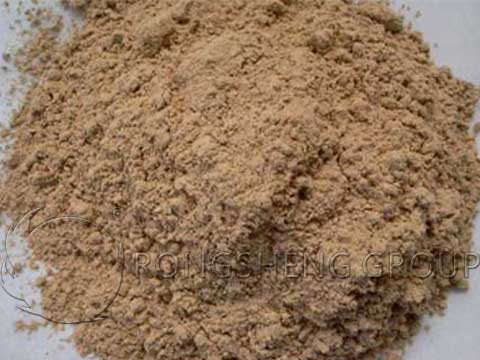
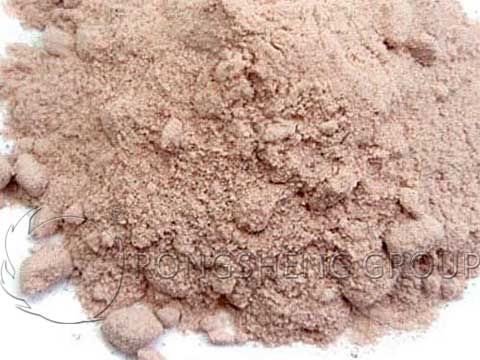
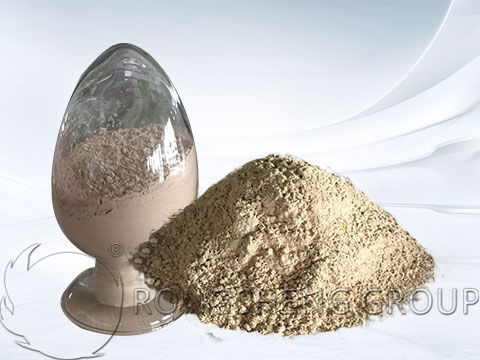
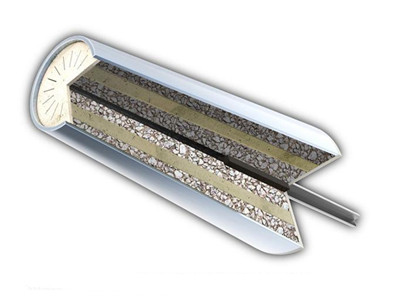
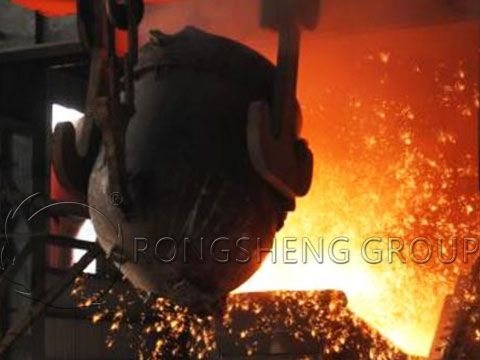
The ladle is an extremely important metallurgical equipment in the steelmaking process. Its role is not only the ladle for carrying molten steel in the traditional sense but also the core carrier of the refining process outside the furnace. The choice of Refractory Materials for Ladle Lining is not only related to the life and cost of the ladle but also directly affects the output and cleanliness of molten steel. Let’s look at the use and development of refractory materials for ladle lining in a steel plant in the past 20 years.

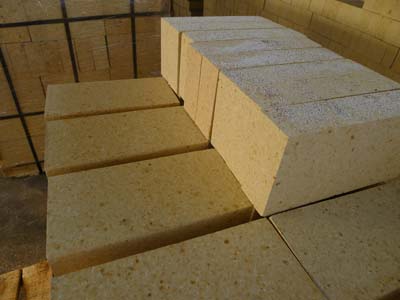
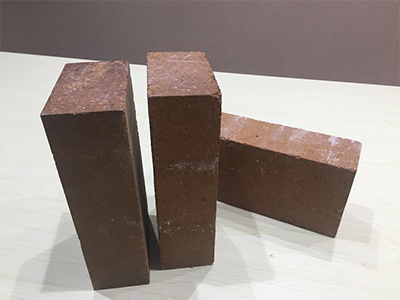
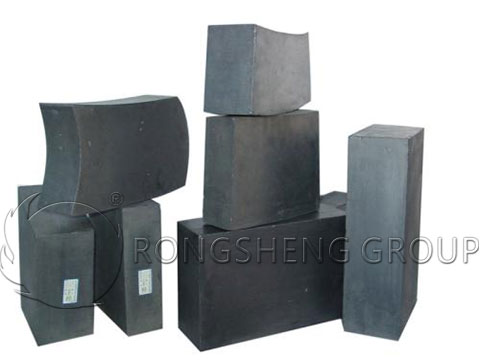
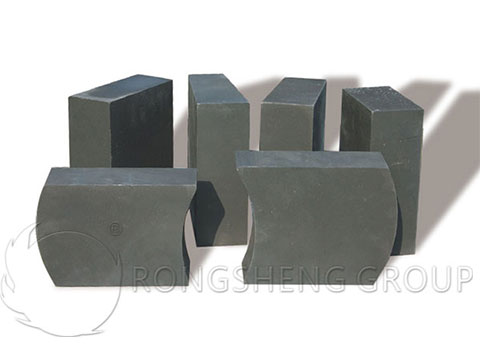
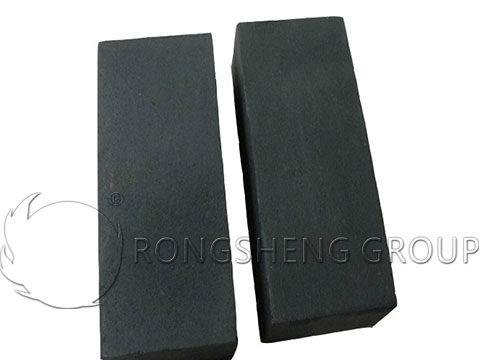
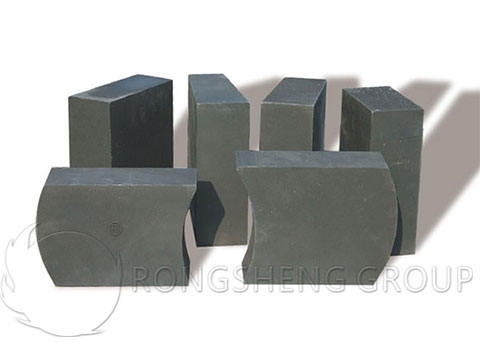
Magnesia Carbon Bricks for Ladle

Get Free Quote

    Free Quote

    Your Name (required)


    Your Email (required)

    Your Phone

    Required Products (required)

    Enquiry Information

    Development of refractory materials for ladle lining

    According to a steel mill, they have 3 types of the ladle. In the order of commissioning, they are 120 t ladle, 150 t ladle, and new 150 t ladle, of which the new 150 t ladle is modified from the original 40 t ladle. The refractory materials used in different ladles are different due to different specific production requirements.

    Steel-Ladle
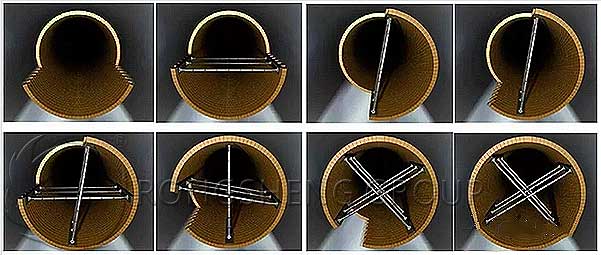
    Steel-Ladle Refractory Lining

    40 t ladle

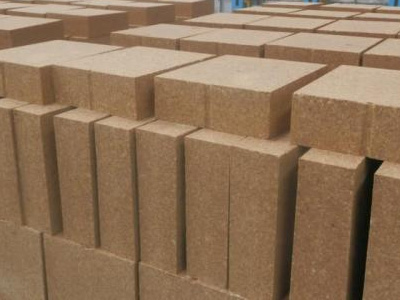
    Initially, the lining of the 40t ladle was entirely made of alumina-magnesia machine-made bricks, the thickness of the bottom bricks was 300 mm, and the thickness of the wall was 120 mm. Due to the shortcomings of alumina-magnesia machine-made bricks such as thermal shock stability and poor high-temperature strength, the life of the 40 t ladle bottom is only about 40 furnaces, which cannot be synchronized with the body bricks. Later, magnesia-carbon bricks were used for the bottom of the bag, and alumina-magnesia machine-made bricks were used for the wall and slag line, and the overall service life reached more than 100 furnaces.

    120 t ladle

    At the initial stage of production, the Refractory Materials for Ladle Lining of 120t ladle is made of alumina-magnesia machine-made bricks, the thickness of the bottom brick is 300 mm, and the thickness of the wall brick is 160 mm. In the early stage, the life of the ladle can be up to 90 furnaces when it is cast directly on the ladle. After the application of the refining process, as the refining ratio continues to increase, the life of the ladle is significantly reduced. The main reason is that the electrodes of the LF refining furnace heat up the molten steel and slag near the slag line, and the alumina-magnesia bricks are quickly melted and lost at high temperatures. In addition, refining will extend the residence time of molten steel in the ladle and also accelerate the erosion of alumina-magnesia bricks. Beginning in 2009, full magnesia carbon bricks have been used in 120t ladle. Magnesia carbon bricks have excellent slag resistance and high-temperature stability, and their service life can reach more than 110 furnaces in a smelting environment with a high refining ratio.

    150 t ladle

    Steel grades such as cold-rolled plates for automotive plates produced by the 150 t converter system have strict requirements on the carbon content and cleanliness of the molten steel. Therefore, from the initial stage of production, the 150 t ladle has adopted the process route of ladle bottom, clad wall alumina-magnesia machine-made bricks, and slag line magnesia-carbon bricks. At the same time, considering the CAS furnace process, the breathable brick is set in the center of the bottom of the bag, just in the molten steel impact area, and the molten steel has a serious impact on the breathable brick. In addition, due to the poor high-temperature performance of the alumina-magnesia machine-made bricks, the bottom working lining and the air-permeable bricks are severely broken. The life of the ladle is only about 70 furnaces, which cannot meet the needs of production rhythm. Later, magnesia carbon bricks were also used at the bottom of the package, and the problem of broken bricks and excessive melting loss at the bottom of the package was improved.

    Application of Carbon-free Lining Materials

    After a series of technical optimizations, the steel plant’s refractory materials for ladle are basically finalized. That is, magnesia-carbon bricks with 14% C mass fraction are used for the bottom and slag line, the walls are made of alumina-magnesia machine-made bricks combined with lignosulfonate, and the permanent layer is made of alumina-magnesia castable. The ladle of this material can basically meet the production rhythm of converters and continuous casting at that time. The three bricks and slag line bricks are replaced once every 20-30 furnaces are used, and the slag line bricks are replaced 1 to 2 times during the entire service process. With the development and production adjustment of various steels, the proportion of refining outside the ladle furnace is getting higher and higher. Low-carbon and ultra-low-carbon automobile panels have strict requirements on the carbon content of the lining. Traditional linings can no longer meet the production needs, so carbon-free linings have emerged.

    Since 2015, steel plants have tested corundum spinel-based carbon-free materials on 150t ladle and will be promoted throughout the plant in 2016. The upgraded ladle bottom and wall are corundum spinel bricks, and the slag line uses improved magnesia-carbon bricks with 14% C mass fraction.

    Corundum Spinel Bricks

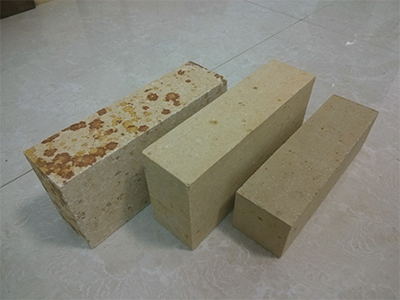
    The corundum spinel brick is developed under the background of the leapfrog development of refractory raw material production technology. It is a comprehensive upgraded product of alumina-magnesia machine-made bricks. The main raw materials are fused corundum, sintered corundum, fused magnesia fine powder, Al2O3 powder, alumina-magnesia spinel powder, pure calcium aluminate cement, and additives. It has the advantages of good high-temperature stability, strong corrosion-resistance, and high matrix strength.

    There are 2 types of corundum spinel brick, organic pressed brick and prefabricated block. The former uses lignosulfonate as the binding agent, and the latter uses cement or alumina gel as the binding agent. The ladle built with prefabricated blocks has a better actual use effect. The machine-made bricks are easy to peel off on the upper part of the bag wall and the bricks are easy to break in the impact area of the bottom of the bag. The main reason is that the machine-made brick fine powder and aggregate are forcibly pressed together by the brick press. During use, the spinel reaction volume expands, which will cause the matrix to crack and become loose. In addition, the critical size of the machine-made brick aggregate is smaller than that of the prefabricated block, and the thermal stress caused by the temperature difference between the hot end and the cold end of the bottom-clad brick can easily break the brick body with a thickness of 300mm. The thermal strength of the prefabricated block is higher than that of the machine-made brick, so the bottom of the prefabricated block is not prone to faults.

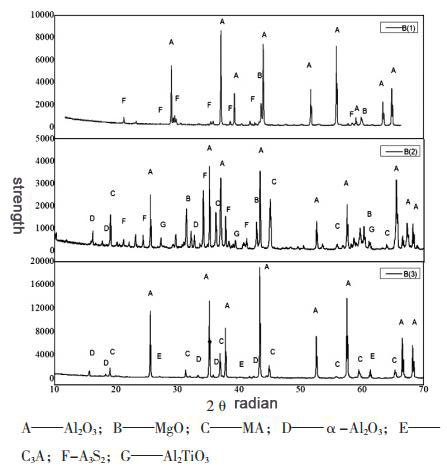
    The main phases of alumina-magnesia machine-made bricks are corundum, periclase, and mullite. The main phases of corundum spinel machine-made bricks are corundum, periclase, spinel, and α-Al2O3 micro powder. The main phases of the corundum spinel prefabricated block are corundum, spinel, α-Al2O3, and tricalcium aluminate. For details, please see Figure 2.

    Figure 2 XRD patterns
    Figure 2 XRD patterns of alumina-magnesia machine-made brick (B1), corundum spinel machine-made brick (B2), and prefabricated block (B3)

    The corundum spinel prefabricated block has two binder systems. One is pure calcium aluminate cement and alumina-rich spinel powder. The other is a gel combination system of ρ-Al2O3 gel, fused magnesia fine powder, and SiO2 fine powder. The prefabricated block of the cement-spinel system has the characteristics of high thermal strength, small volume expansion, and strong erosion resistance, and is suitable for use in the bottom working layer of the package. The prefabricated block of the gel-magnesia fine powder system has good slag resistance and thermal shock performance due to the in-situ generation of magnesia-alumina spinel and is suitable for the working lining of the clad molten pool. Starting in 2018, the steel plant eliminated corundum spinel machine-made bricks. All prefabricated blocks are used for the bottom and wall of the bag, and the melting loss of the working lining is effectively reduced.

    High-performance Slag Line Magnesia Carbon Brick

    The proportion of LF refining in steel plants is as high as 60%. Some steel grade liquid slags have low basicity, low viscosity, and thin slag layer. These process characteristics bring great challenges to the slag line working layer. The slag line material before 2015 was ordinary magnesia carbon brick, and the main raw materials were ordinary fused magnesia, antioxidant, flake graphite, and phenolic resin. Its corrosion resistance and oxidation resistance are not strong, and the melting rate is very fast. In accordance with the characteristics of the refining process of the steel plant, the magnesia carbon brick formula has been greatly adjusted since 2016. Use 98 fused magnesia as an aggregate and fine powder to improve the corrosion resistance of magnesia carbon bricks. Partially modified graphite is used to replace flake graphite and a nano-carbon source is introduced, which significantly improves the thermal shock resistance and mechanical properties of magnesia carbon bricks. The overall performance of the slag line magnesia carbon brick has been greatly improved.

    In recent years, the changes in the physical and chemical properties of ladle slag line bricks are shown in Table 3. Since 2012, the magnesia carbon brick formula has been adjusted three times to improve the grade of magnesia. Improve the performance of graphite, reduce the high-temperature flexural strength to improve corrosion resistance.

    Table 3 Ladle slag line magnesia carbon brick
    Table 3 Comparison of physical and chemical properties of magnesia carbon bricks in the ladle slag line in recent years.

    Optimization of Permanent Layer Refractory Materials

    Before 2016, the permanent layer material used in steel mills’ ladle was traditional alumina-magnesia castable. The mass fraction of alumina is 65% to 70%, and the mass fraction of magnesium oxide is 8% to 10%. The material has the advantages of low cost and good volume stability at medium temperature. However, long-term use in a medium and low-temperature environment has serious attenuation of strength (hereinafter referred to as thermal attenuation), and the problem of poor volume stability at high temperatures is more obvious. In addition, alumina-magnesia castables are heavy materials with high bulk density and large thermal conductivity, which are not conducive to the development of lightweight ladle and the improvement of thermal insulation.

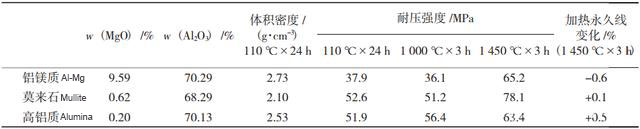
    Beginning in 2017, high-alumina castables have been used on the ladle, with a bulk density of 2.453 ~ 2.55g/cm3. It not only guarantees the safety of the permanent layer but also takes into account the heat preservation. Due to the limited crane lifting capacity of the 120t converter smelting system, it is necessary to design a more lightweight ladle permanent layer material. Finally, mullite castable was used, and its bulk density was 2.0~2.1g/cm3. After laboratory tests and field tests, the two new permanent layer materials are significantly better than alumina-magnesia castables in terms of medium and high-temperature strength, volume stability, and corrosion resistance (see Table 4).

    Table 4 Comparison
    Table 4 Comparison of permanent layer pouring and cooking performance

    Development Trend of Refractory Materials for Ladle Lining

    The general development trend of ladle refractories is to reduce consumption and improve cleanliness. Reducing consumption not only refers to reducing the cost of refractory materials per ton of steel in ladle but also requires reducing the consumption of refractory materials per ton of steel. The purpose is to reduce the pollution of refractory materials to molten steel. To improve cleanliness, on the one hand, use anti-melting lining materials, on the other hand, select non-carbon materials, calcium materials, and other refractory materials that do not pollute molten steel to meet the requirements of producing high-grade clean steel. The next stage of the development direction of steel mill ladle refractories is mainly the following aspects. (1) The permanent layer promotes high-strength and light-weight materials to improve the thermal insulation of the ladle. (2) Promote the whole pouring scheme of the working lining to improve the service life. (3) Establish an information platform for online monitoring of steel ladle, and improve operational safety by implementing safety monitoring.

    Learn more about the ladle refractories

      Get Free Quote

      Your Name (required)

      Your Email (required)

      Your Phone

      Required Products (required)

      Enquiry Information

      Several Different Types of “T” Refractory Bricks

      T19 refractory bricks also called ax bricks. The size of the T19 mullite brick is 230×114×65/55mm. The country stipulates the size of bricks in order to facilitate calculation and save resources. There are many types of refractory bricks, and their shapes and sizes are quite complicated, but they all stipulate a unified brick number. People with rich experience and knowledge of refractory bricks can know its purpose, even shape, size, and weight from the brick number. For example, bricks with the prefix “T” are commonly used in general industrial furnaces. From “T-1” to “T-105”, there are more than 20 shapes and 105 brick numbers (specifications). Another example is the bricks with the prefix “G” are used for blast furnaces. There are two shapes and 8 specifications from “G-1” to “G-8”. The size of the T19 refractory bricks produced and processed by Zhengzhou Rongsheng Refractories is strictly implemented in accordance with the standard size, and customers are welcome to come and inspect. Next, let’s learn more about the “T” refractory bricks.

      The AX Refractory Bricks
      The AX Refractory Bricks

      Get Free Quote

        Free Quote

        Your Name (required)


        Your Email (required)

        Your Phone

        Required Products (required)

        Enquiry Information

        Several Different Types of “T” Refractory Bricks

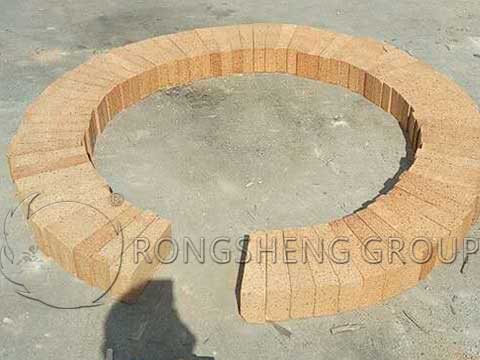
        The cylindrical lining uses T3 bricks to match T38 bricks and T39 bricks (thicker lining). Or use T3 bricks with T19 bricks and T20 bricks (thin lining) for masonry. When designing, we must go through strict calculations to ensure that the “T” refractory bricks joints are basically the same.

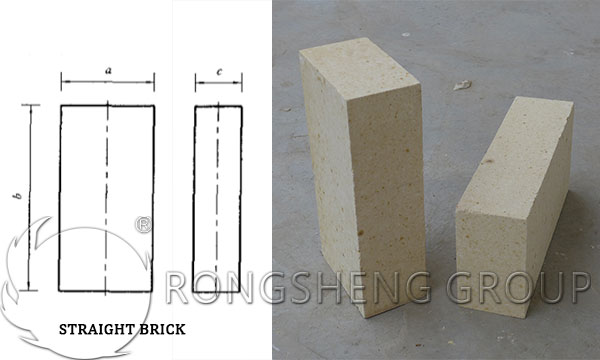
        • T3 is a standard brick with dimensions (length×width×height): 230×114×65.
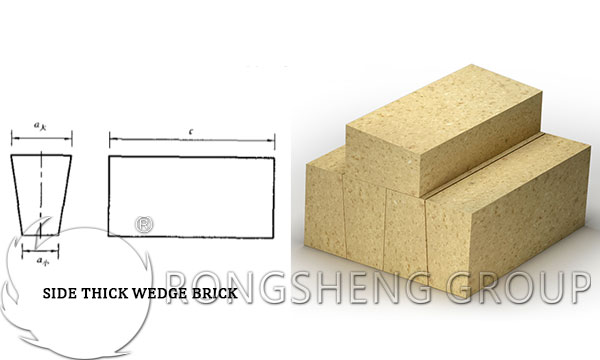
        • T38 and T39 are wedge-shaped bricks, also called knife-shaped bricks, with dimensions (length×width×height) respectively: 230×114×65/55 and 230×114×65/45.
        • T19 and T20 are called ax-shaped bricks, and the dimensions (length×width×height) are 230×114×65/55 and 230×114×65/45, respectively.
        • The thickness of T38 and T39 is gradually reduced from 65 to 55/45 in the length (230) direction.
        • The thickness of T19 and T20 is gradually reduced from 65 to 55/45 in the width (230) direction.
        One Kind of Refractory Bricks
        One Kind of “T” Refractory Bricks
        One Kind of Refractory Bricks
        One Kind of “T” Refractory Bricks

        Get Free Quote

          Free Quote

          Your Name (required)


          Your Email (required)

          Your Phone

          Required Products (required)

          Enquiry Information

          T19 Mullite Bricks

          T19 mullite bricks are mainly used in metallurgical hot blast furnaces with high blast temperature above 1400℃. The parts and slag lines of the torpedo car hit by molten iron. The roof of the steel-making electric arc furnace, the forehearth of the glass melting furnace, the regenerator arch, and the upper structure. Ceramic sintering kiln, ceramic roller kiln, tunnel kiln, electric porcelain drawer kiln, dead corner lining of petroleum cracking system, glass crucible kiln, and various electric furnaces, etc. The wall of the clarifier, cement and lime rotary kiln lining, etc. They can be directly contacted with flame.

          Mullite bricks are aluminum-silicon refractory products with mullite as the main crystal phase. Because the main crystal phase of mullite brick is mullite. Therefore, the properties of mullite bricks are as follows: the high-temperature resistance of mullite bricks can reach above 1790℃, the starting temperature of load softening is 1600-1700℃, and the compressive strength at room temperature is 70-260MPa. Good thermal shock resistance, high strength, low high temperature creep rate, low expansion coefficient, low thermal coefficient, and acid slag erosion resistance. It can also greatly reduce the weight of the high-temperature furnace body, transform the structure, save materials, save energy, and improve production efficiency.

          Rongsheng High-Quality Mullite Bricks
          Rongsheng High-Quality Mullite Bricks

          Get Free Quote

            Free Quote

            Your Name (required)


            Your Email (required)

            Your Phone

            Required Products (required)

            Enquiry Information

            Rongsheng Refractory Bricks Manufacturer

            The mullite bricks produced by Zhengzhou Rongsheng Refractory Bricks Manufacturer are mainly divided into lightweight mullite bricks and corundum mullite bricks. Lightweight mullite bricks use imported tabular corundum and high-purity fused corundum as the main raw materials. It is made by applying advanced superfine powder adding technology, mixing, drying, forming, and firing in a high-temperature shuttle kiln. Corundum and mullite refractory bricks are made of dense fused corundum and alumina powder as the main raw materials, which are mechanically mixed and high-pressure forming and high-temperature firing. Through the purity of the corundum sand and the process formula to meet the requirements of different corundum products using temperature.

            Zhengzhou Rongsheng Kiln Refractory Material Co., Ltd. produces and processes various types of refractory materials. If you have a demand for T19 refractory bricks, T19 mullite bricks, etc. Rongsheng Company can provide you with high-quality products. For more information, please contact us. We will provide you with services according to your specific needs.

              Get Free Quote

              Your Name (required)

              Your Email (required)

              Your Phone

              Required Products (required)

              Enquiry Information

              Corundum Bricks on the Tapping Channel of the Heating Furnace

              In the small and medium-sized steel rolling heating furnace with side discharge, the tapping trough is an important part of the heating furnace. The structure of the tapping trough is directly related to the energy consumption and service life of the heating furnace. Because corundum bricks such as chrome corundum bricks and zirconia corundum bricks have good high temperature wear resistance and slag resistance. As a result, it has gradually replaced water-cooled cast iron tapping channels and has been widely used in small and medium-sized steel rolling furnaces. Rongsheng refractories manufacturer provides you with high-quality refractories for steel rolling furnaces, such as corundum bricks on the tapping channel, etc.

              Rongsheng Corundum Bricks For Sale
              Rongsheng Corundum Bricks For Sale

              Get Free Quote

                Free Quote

                Your Name (required)


                Your Email (required)

                Your Phone

                Required Products (required)

                Enquiry Information

                Factors Affecting the Service Life of Corundum Bricks on the Tapping Channel

                In actual production, improper construction and use often reduce the service life of corundum bricks on the tapping channel of the heating furnace. Therefore, it is of great significance to analyze the factors that affect the service life of corundum bricks and discuss measures to improve the service life of corundum bricks. To analyze the service life of corundum bricks on the tapping channel of the heating furnace, it is necessary to conduct a dialectical analysis from the characteristics of the corundum brick itself and the working conditions of the tapping channel of the heating furnace.

                (1) Due to the high density of corundum bricks, thermal stability is poor. Therefore, it is easy to burst when the temperature changes sharply, especially near the tap hole. When the furnace pressure fluctuates frequently, the door of the furnace may burst into flames and sometimes suck cold air. As a result, the surface temperature of the corundum bricks fluctuates up and down, forming large internal stress. This causes the surface of the corundum brick to peel off and crack.

                (2) The gap between the corundum bricks is not tightly sealed, and the oxide scale or its melt enters the gap and adheres to the upper oxide scale, forming a solid whole with the corundum brick. As a result, it is difficult to remove the oxide scale on the surface, and it must be removed with a big steel hammer. Doing so is easy to cause damage to the corundum brick, often cracked or knocked off.

                (3) The masonry of the refractory bricks at the bottom of the corundum bricks must be smooth, and castables can be used to level them when they are uneven. It is not allowed to use loose thermal insulation materials, and it is not allowed to pay only part of it. In other words, the corundum bricks must be cushioned with hard refractory materials. Only in this way can it be ensured that the corundum bricks will not loosen when the billet slides on the corundum bricks. The loosening of corundum bricks will cause two undesirable consequences. One is to make the upper surface of the corundum bricks uneven, which affects the sliding of the billet and the elimination of oxide scale and reduces its service life. Second, the gaps filled with magnesia powder appear again due to the loosening of the corundum bricks, and the oxide scale will fall into it, which will cause difficulty in removing the oxide scale and reduce the service life of the tapping trough.

                (4) Avoid “cutting” of corundum bricks by continuous casting billets. Most of the small and medium-sized steel billets have irregular shear sections. If the billet moves in the direction of the tapping channel, the surface of the corundum brick will be cut, which reduces the service life of the corundum brick. Therefore, when the billet enters the furnace, the placement of the billet should be adjusted to avoid the cutting of the corundum brick by the billet when it moves in the tapping trough, which can increase the service life of the tapping trough. Expansion joints or improper setting of expansion joints will make it have no room for expansion when heated, which will easily cause great internal stress, leading to premature damage to the corundum bricks and reduced service life.

                High-Quality Corundum Bricks in RS Factory
                High-Quality Corundum Bricks in RS Factory

                Get Free Quote

                  Free Quote

                  Your Name (required)


                  Your Email (required)

                  Your Phone

                  Required Products (required)

                  Enquiry Information

                  How to extend the service life of corundum bricks on the tapping channel of the heating furnace?

                  (1) Reasonably control the furnace pressure so that the furnace pressure is always slightly positive. Especially when the steel rolling production is abnormal, attention should be paid to adjusting the flue gate at any time to keep the furnace pressure in a slightly positive state. Ensure that no cold air is sucked at the door of the tapping furnace so that the surface temperature of the corundum brick near the tapping port will not change frequently.

                  (2) The masonry gap between corundum bricks must be as small as possible. After the masonry is completed, the gaps must be filled and compacted with magnesia powder. Leave 30-50mm expansion joints at both ends of the tapping trough, which are filled with alumina silicate refractory fiber felt and covered with 30mm thick magnesia powder. In this way, the longitudinal expansion stress of the corundum bricks on the tapping channel can be eliminated, and the oxide scale can be prevented from falling into the expansion joints. The expansion joints on both sides of the tapping trough are the same as the two ends, but the expansion joint width is 10mm.

                  RS Refractories Bricks for Kinds of the Heating Furnaces
                  RS Refractories Bricks for Kinds of the Heating Furnaces

                  Get Free Quote

                    Free Quote

                    Your Name (required)


                    Your Email (required)

                    Your Phone

                    Required Products (required)

                    Enquiry Information

                    Rongsheng Refractory Bricks Manufacturer

                    Rongsheng is an experienced corundum refractory brick manufacturer. Rongsheng’s refractory products have been sold to more than 60 countries and regions all over the world. For example, Thailand, UAE, Turkey, Kuwait, South Africa, Malaysia, Vietnam, Netherlands, Philippines, Singapore, Egypt, Russia, etc. Rongsheng’s refractory technology team aims to provide the most suitable refractory materials for the refractory lining of various thermal furnace equipment, including refractory bricks and refractory castables. If you need refractory equipment on your heating furnace equipment, please contact us. We will provide you with services according to your specific needs.

                      Get Free Quote

                      Your Name (required)

                      Your Email (required)

                      Your Phone

                      Required Products (required)

                      Enquiry Information

                      Characteristic Analysis of High-strength Wear-Resistant Castables for Waste Incinerators

                      High-strength wear-resistant castable is a widely used castable refractory for furnaces. High-strength wear-resistant castables can be used in circulating fluidized bed boilers, corrosion-resistant liners in the chemical industry, wear-resistant liners in the coal industry, blast furnace linings in the steel industry, and garbage incinerator linings. The Rongsheng refractory manufacturer analyzed the characteristics of high-strength wear-resistant castables for waste incinerators based on the characteristics of waste incineration. And specially developed wear-resistant refractory castables for garbage incinerators.

                      Application of High-strength Wear-Resistant Castables

                      Generally, high-strength wear-resistant castables for circulating fluidized bed boilers use corundum, silicon carbide, and special grade bauxite as the main raw materials, with superfine powder and compound additives. It has the characteristics of high strength at early medium temperature, good high-temperature performance, stable volume, strong resistance to slag penetration and erosion, erosion resistance, convenient construction, and strong integrity of the lining structure. It is a good wear-resistant material currently used in CFB boilers.

                      High-strength wear-resistant castables for waste incinerators, low-aluminum mullite, and SiC are selected as aggregates, silica sol, and pure calcium aluminate cement are used as binders, and ultrafine powder and water reducer are added. The sample is mixed according to the ratio of aggregate and powder 67:33, the critical particle is 5mm, and the binder and water reducer are added to the powder. According to the principle of first coarse and then fine, pour it into a mixer, pre-mix for 3 to 5 minutes, then add an appropriate amount of water, stir for 3 minutes, take it out and pour it into the triple test mold, vibrate and shape, and cure, dry and fire.

                      High-strength Corundum Castable
                      High-strength Wear Resistance Castable

                      Get Free Quote

                        Free Quote

                        Your Name (required)


                        Your Email (required)

                        Your Phone

                        Required Products (required)

                        Enquiry Information

                        Characteristic analysis of high-strength wear-resistant castable for a waste incinerator

                        The following characteristics of high-strength wear-resistant castables for waste incinerators are tested as a reference for the analysis.

                        • Determine the fluidity of the castable;
                        • Measure its physical and chemical indexes at room temperature after treatment at various temperatures, as well as alkali resistance and abrasion resistance;
                        • The acid test is carried out according to the crucible erosion method to detect Cl2 erosion. The test was carried out at 1000 ℃ for 48 h, and humid acid Cl2 gas was introduced to analyze the corrosion surface changes and microstructure of the sample.
                        • The effects of Al2O3/SiO2 value, binder addition, SiC addition, and superfine powder addition on the properties of the castable were studied, and the optimal addition amount was optimized.

                        The results show:

                        • When the value of Al2O3/SiO2 in the castable is about 0.8, the acid and alkali corrosion resistance of the sample is the best;
                        • Cement-silica sol compound addition and the addition amount is 5%, the effect is the best;
                        • Wear-resistant castables added with SiC have higher drying strength. Although the intensity of medium temperature (1100 ℃) fluctuates, it also maintains a relatively high value. When used at around 1300°C, the oxidation resistance and wear resistance will be effectively improved;
                        • When the addition amount exceeds 15%, due to the fineness of SiC, a continuous phase is formed in the matrix, which can significantly improve the thermal conductivity of the castable. So that the castable has better thermal shock resistance;
                        • When a proper amount of silicon powder is added, the specific surface area of the silicon powder is large, the activity is higher, and the silicon powder has the effect of filling and promoting sintering. In this way, only a small amount of water is needed to make the castable have better rheology and improve the high-temperature strength of the castable.

                        Application of high-strength wear-resistant castables for a garbage incinerator

                        By analyzing the characteristics of high-strength wear-resistant refractory castables for tie incinerators, Rongsheng refractory manufacturers, combined with the actual working environment and operating temperature, developed high-strength wear-resistant castables for garbage incinerators. The high-strength wear-resistant castable is used in the garbage incinerator and is mainly used in the wear-resistant parts such as the hearth and the roof of the gasifier. Through many years of operation, no product quality problems occurred in the middle, and the garbage incinerator is operating in good condition. Another incinerator project also used Rongsheng’s high-strength wear-resistant castables. It has been in operation for nearly 2 years without any obvious damage.

                        RS Refractory Castable
                        RS Refractory Castable Manufacturer

                        Get Free Quote

                          Free Quote

                          Your Name (required)


                          Your Email (required)

                          Your Phone

                          Required Products (required)

                          Enquiry Information

                          Rongsheng refractory castable manufacturer

                          Rongsheng is an experienced refractory castables manufacturer. Rongsheng’s refractories have served customers in more than 60 countries. Through continuous accumulation and research and development, Rongsheng has built a new unshaped refractory production line with an annual output of 80,000 tons. Provide high-quality unshaped refractory materials for Rongsheng customers. The Furnaces we serve covers CFB boilers, gasifier equipment in the chemical industry, etc. At the same time, Rongsheng specially developed refractory materials for garbage incinerators by studying the working characteristics of garbage incinerators. For more information about high-strength wear-resistant castables for waste incinerators, please contact us. We will provide you with services according to your specific needs.

                            Get Free Quote

                            Your Name (required)

                            Your Email (required)

                            Your Phone

                            Required Products (required)

                            Enquiry Information

                            Rongsheng Refractory Cement for Sale in Philippines

                            Refractory Cement for Sale is also called bauxite cement, high alumina cement, aluminate cement. According to the national standard GB201-2000, refractory cement is also collectively referred to as CA50 aluminate cement. In order to distinguish the strength of cement, such symbols are often used to indicate: CA50-A600, CA50-700, CA50-A900, etc. Refractory cement is a fast-setting, fast-hardening, high-strength high-temperature binder. The initial setting time is generally about 2 hours. The final setting time is generally about 4 hours. The strength can reach 70% within three days, and the strength can reach 100% of the overall strength within 28 days. Refractory cement, high alumina fine powder, high alumina aggregate, and other additives are formulated into refractory castables according to a certain particle gradation. Rongsheng Refractory Cement for Sale, Its refractory temperature can reach 1500 degrees Celsius, and it is widely used in high-temperature furnace engineering.

                            High Alumina Refractory Cement
                            High Alumina Refractory Cement

                            Get Free Quote

                              Free Quote

                              Your Name (required)


                              Your Email (required)

                              Your Phone

                              Required Products (required)

                              Enquiry Information

                              Classification of Refractory Cement for Sale

                              Refractory cement is one of the main materials for making high-temperature furnace linings. It is Refractory Cement for Sale with refractoriness not lower than 1580°C. According to different compositions, it can be divided into aluminate refractory cement, low calcium aluminate refractory cement, calcium magnesium aluminate cement, and dolomite refractory cement.

                              Aluminate cement can be divided into four categories according to Al2O3 content:

                              • CA-50, 50%≤Al2O3<60%
                              • CA-60, 60%≤Al2O3<68%
                              • CA-70, 60%≤Al2O3<77%
                              • CA-80, 77%≤Al2O3

                              The Main Components of Refractory Cement

                              Refractory cement refers to cement with calcium aluminate as the main component. Refractory Cement for Sale is the basic bonding agent of unshaped refractory-casting refractory. Its chemical composition is mainly Al2O3 and CaO, and some also contain quite a lot of Fe2O3 and SiO2. The mineral composition consists of the following three kinds of minerals, CaO·Al2O3 (CA),  CaO·2Al2O3 (CA2),  12CaO·7Al2O3 (C12A7) three compounds. And it is composed of 2CaO·Al2O3·SiO2 (C2AS) containing inclusions and 4CaO·Al2O3·Fe2O3 (C4AF).

                              Refractory Cement
                              Refractory Cement

                              Get Free Quote

                                Free Quote

                                Your Name (required)


                                Your Email (required)

                                Your Phone

                                Required Products (required)

                                Enquiry Information

                                Properties of Refractory Cement

                                The properties of Refractory Cement for Sale mainly depend on its mineral composition. The main mineral of refractory cement is monocalcium aluminate (CA), which has a high hydraulic activity and coagulates. Although it is not very fast, it hardens quickly, and the hardening time does not exceed one day. It is the main source of the strength of high alumina cement, especially the early strength. Calcium aluminate (CA2) has slower hydration and hardening, with lower early strength and higher late strength. the C12A7 has the characteristics of fast hydration and fast setting, but the strength is not high. In ordinary high alumina cement containing inclusions ( C2AS and  C4AF), C4AS plays a role in hardening the cement as soon as possible. In high-grade high-alumina cement, C12A7 plays a hardening role. As for C2AS, basically it does not produce hydration, so it cannot show its strength.

                                Refractory cement contains 5 kinds of calcium aluminate minerals, and these calcium aluminates will show intense heat generation as the hydration reaction proceeds. Ordinary high-alumina cement contains 53-55% Al2O3. After 5-8 hours, the temperature reaches a peak value of 80-90℃. The high-alumina cement containing 70% Al2O3 will reach the peak temperature after 10-12h and the high-alumina cement containing 80% Al2O3 after 8-10h, which are 80 ℃ and 70 ℃ respectively.

                                The heating temperature and the time to reach the maximum temperature of a single cast of different types of high alumina cement are determined by the heating characteristics and content of the calcium aluminate contained.

                                Rongsheng Refractory Cement Manufacturer
                                Rongsheng Refractory Cement Manufacturer

                                Get Free Quote

                                  Free Quote

                                  Your Name (required)


                                  Your Email (required)

                                  Your Phone

                                  Required Products (required)

                                  Enquiry Information

                                  How to Use Refractory Cement

                                  The use of refractory cement is very simple, it can harden after adding water and mixing. Generally, there is no need to add other binders, but some refractory aggregates and powders can be added. If only refractory cement is used, a lot of cracks will occur after high temperature. It can be used to cement various refractory aggregates, such as corundum, calcined high alumina bauxite, etc. It is made into the refractory mortar or refractory castable, which is used as lining of cement rotary kiln and other industrial kilns.

                                  Precautions for Refractory Cement

                                  Many people tend to confuse refractory cement with refractory soil. If refractory cement and refractory soil are used together, the use-value of refractory cement will be greatly reduced. It is equivalent to mixing refractory cement and loess together. The solidification strength and marking of refractory cement will be much lower. It is recommended that workers who have been engaged in furnace construction for a long time, in refractory construction, use refractory cement and refractory soil rigorously.

                                  High Alumina Castable Refractory Cement
                                  Rongsheng High Alumina Refractory Cement for Sale

                                  Get Free Quote

                                    Free Quote

                                    Your Name (required)


                                    Your Email (required)

                                    Your Phone

                                    Required Products (required)

                                    Enquiry Information

                                    Refractory Cement for Sale Price

                                    Because refractory cement has the following characteristics, the consideration of the Refractory Cement for Sale price also needs to be analyzed according to specific working conditions.

                                    1. Refractory cement is a bonding agent used in thermal kilns or wall linings.
                                    2. This type of cement is different from other types of cement, it still maintains a firm bond under high-temperature conditions.
                                    3. Refractory cement will have a certain strength at room temperature, which is used to ensure the hardened shape of the preform.
                                    4. In addition, refractory cement solidified at room temperature has some physical and chemical advantages. For example, through the cement solidification process, the internal moisture of the cement product can be quickly precipitated, or the internal structure can be tightly reinforced.

                                    The price of commonly used refractory cement is generally 1800 yuan per ton. Some users need a small amount of refractory cement to make small furnaces, and the price at this time is calculated according to the price of each bag.

                                    What is the price of refractory cement for boilers? There are also many types of refractory cement for boilers, mainly because of the different aluminum content. The general CA-50 is about 1500, the cheaper one can reach about 1200, and the most expensive CA-80 and 70 can reach 5 to 6 thousand tons. The refractory cement prices listed in this article come from the Internet and are for reference only. The specific price is subject to the price provided by the supplier at the time of purchase. Get more details on refractory cement Philippines for sale. Please leave us your requirements.

                                      Get Free Quote

                                      Your Name (required)

                                      Your Email (required)

                                      Your Phone

                                      Required Products (required)

                                      Enquiry Information

                                      Learn More About Refractory Plastics

                                      Refractory plastics are made of refractory aggregates and powders, raw clay and chemical compound binders, and additives. After preparation and mixing, it is extruded into a brick shape. After the package is stored for a certain period of time, it still has good plasticity and can be constructed by tamping. But the plastic-refractory has better thermal shock resistance and easy construction. Applicable to various heating furnaces, soaking furnaces, annealing furnaces, hot air furnaces, etc. It can also be used in furnace cover of a small electric arc furnace, burner of the high-temperature furnace, and other parts.

                                      Corundum Plastic Refractory
                                      Corundum Plastic Refractory

                                      Get Free Quote

                                        Free Quote

                                        Your Name (required)


                                        Your Email (required)

                                        Your Phone

                                        Required Products (required)

                                        Enquiry Information

                                        Classification of Refractory Plastics

                                        Refractory plastics can be divided into clay, high-alumina, mullite, corundum, chromium, silicon carbide, and zirconium-containing refractory plastics according to the variety of refractory aggregates. According to the type of binder, it can be divided into refractory plastics combined with aluminum sulfate, phosphoric acid, phosphate, water glass, and resin.

                                        silicon carbide plastic refractory
                                        silicon carbide plastic refractory

                                        Get Free Quote

                                          Free Quote

                                          Your Name (required)


                                          Your Email (required)

                                          Your Phone

                                          Required Products (required)

                                          Enquiry Information

                                          Properties of Refractory Plastic

                                          Workability of refractory plastic.

                                          Generally, plastic refractory should have high plasticity. And after a long period of storage, it still has a certain plasticity. If the plasticity of the plastic refractory is not significantly reduced during its storage period, hydraulic binders cannot be used. If an air-hardening binder is used, sealing measures must also be taken during storage. However, since some of the binding agents may gradually coagulate, the plasticity is gradually lost. When the plastic refractory has high water content, it is also easy to become hard due to the loss of water retention, which makes the water dispersed and lost. In order to keep the plasticity of refractory plastics unchanged during storage for a long time, retarding measures must be taken.

                                          The hardening and strength of refractory plastics.

                                          Ordinary refractory plastics are hard. Since there is no chemical binder in it, the strength before unsintering is very low. However, at a certain temperature, the strength increases with increasing temperature. After sintering at high temperatures, the cold strength greatly increased. The hot state strength decreases with increasing temperature at a high temperature.

                                          Refractory plastics added with sodium silicate have a relatively fast strength change after construction. To properly control the drying speed, it is not easy to produce shrinkage cracks. The mold can be removed quickly after construction. Refractory plastics containing this kind of binder are suitable for large kilns with long construction periods.

                                          Refractory plastic shrinks during heating.

                                          But plastic refractory contains more clay and moisture, and it often shrinks greatly during drying and high-temperature heating. Generally speaking, because plastic refractory contains a considerable amount of clay, its deformation under high-temperature load will be higher than other unshaped materials. So for plastic refractory, its volume stability is often used as an important technical indicator. (National regulations: the shrinkage of high-grade clay refractory plastic after heating to 1400°C should be no more than 4%. The shrinkage of special-grade clay refractory plastics after heating to 1600°C should be less than 2.5%)

                                          The thermal shock resistance of refractory plastics.

                                          Compared with sintered refractory products of the same material and uncustomized refractory materials of other materials, refractory plastics have better thermal shock resistance. Due to the high thermal shock resistance of refractory plastic, it is better to be used where the temperature fluctuation is large.

                                          RS Clay Plastic Refractory for Sale
                                          RS Clay Plastic Refractory for Sale

                                          Get Free Quote

                                            Free Quote

                                            Your Name (required)


                                            Your Email (required)

                                            Your Phone

                                            Required Products (required)

                                            Enquiry Information

                                            Uses of Refractory Plastics

                                            Refractory plastics are mostly used in boiler walls and roofs of boilers. It is also used in a heating furnace, soaking furnace, and annealing furnace. But the plastic refractory has a low bulk density and good thermal shock resistance. When used in the heating process and high temperature, it will not cause serious deformation due to crystal phase change. The mineral composition near the heating surface is mullite and cristobalite crystallites, and the glass phase is less. Therefore, refractory plastic is particularly suitable for furnace walls with large temperature fluctuations and high-temperature furnace roofs that receive flame impact or radiation. Learn more from Rongsheng Refractory Materials Manufacturer.

                                              Get Free Quote

                                              Your Name (required)

                                              Your Email (required)

                                              Your Phone

                                              Required Products (required)

                                              Enquiry Information

                                              Damage and Repair of Carbon Brick Lining in the Furnace Hearth

                                              The temperature of the carbon brick in the furnace hearth is too high, the working conditions of the lining deteriorate, and the damage is accelerated, which affects the long life of the blast furnace and the safe operation of the equipment. For the damage and repair of carbon brick lining in the furnace hearth, all manufacturers are looking for effective measures to curb the rising temperature of carbon bricks. Govern at the early stage of hidden dangers to ensure safe and efficient operation of equipment and strengthen smelting.

                                              Blast Furnace Carbon Bricks
                                              Blast Furnace Carbon Brick Lining

                                              Get Free Quote

                                                Free Quote

                                                Your Name (required)


                                                Your Email (required)

                                                Your Phone

                                                Required Products (required)

                                                Enquiry Information

                                                Analysis of the Damage to the Lining of Blast Furnace Carbon Brick

                                                After the blast furnace was put into production for a period of time, due to the consumption of ceramic coasters, the carbon brick lining in the hearth directly suffered the erosion of the molten iron, which may be partially damaged. The bottom of the hearth is recessed and cracked in the shape of a garlic head so that the temperature gradient in the carbon brick increases and the high-temperature area moves outside the furnace.

                                                In addition, the carbon ramming mass material filled between the ring-shaped carbon brick and the stave may shrink after a long time of carbonization. Especially when the blast furnace is built, the charcoal ramming material is not compacted, and it is more likely to be loose. A gas gap is formed in the carbon ramming layer, which seriously affects the cooling effect of the cooling wall on the carbon brick. The thermal resistance of the gas is 200 times that of the dense carbon ramming.

                                                Excluding the damage to the cooling stave, the reason why the monitoring temperature of the thermocouple built in the carbon brick is higher than the normal temperature is mainly caused by the following two situations. In general, by observing the temperature difference between the cooling wall inlet and outlet water, the reason for the local temperature rise of the carbon brick lining can be roughly judged. If the temperature difference between the incoming and outgoing water is higher than the normal part, it should be caused by the carbon brick being eroded and thinned to increase the intensity of the heat flow. When the temperature difference between the incoming and outgoing water is lower than the normal part, it should be caused by the shrinkage of the carbon ramming material and the increase in thermal resistance caused by the gas gap. When both factors are combined, changes in the temperature difference between the incoming and outgoing water may cancel each other out and the changes are uncertain.

                                                RS High-Quality Ramming Mass
                                                RS High-Quality Ramming Mass

                                                Get Free Quote

                                                  Free Quote

                                                  Your Name (required)


                                                  Your Email (required)

                                                  Your Phone

                                                  Required Products (required)

                                                  Enquiry Information

                                                  Repair of the Damaged Carbon Brick Lining of Blast Furnace

                                                  For the former case, it should be recommended to adopt vanadium-titanium ore protection measures in blast furnace production operations. Increasing the viscosity of the solution in the hearth will help to form a protective layer with a certain thickness on the surface of the carbon brick, to avoid the high-temperature area caused by the further erosion of the carbon brick lining moving in the direction of the furnace. For the latter case, the cooling wall hot surface grouting measures can be taken to eliminate the gas gap in the carbon ramming layer and improve the cooling effect of the cooling wall on the carbon brick. When necessary, the two measures are adopted at the same time to achieve the purpose of reducing the temperature of the furnace carbon brick.

                                                  The grouting measure for the hot surface of the cooling stave is to find out the filling position of the iron filings between the two cooling studs at the part where the temperature of the carbon brick in the hearth is too high. After drilling holes in the furnace shell with a magnetic drill, drill through the iron filings layer with an impact drill to reach the carbon ramming layer. Then use a negative pressure ejector to suck out the debris clogged in the hole to make the grouting pipeline unblocked. A high thermal conductivity furnace and a special carbonaceous bottom of the furnace are used to press the slurry into the cold and hot surface of the cooling wall and grouting at the same time. To fill the air gap of the carbon ramming mass layer on the hot surface of the cooling stave to improve the cooling strength of the stave on the carbon brick.

                                                  RS Refractory Bricks Factory
                                                  RS Refractory Bricks Factory

                                                  Rongsheng Refractory Bricks Manufacturer

                                                  Rongsheng has extensive experience in the production and sales of monolithic refractory materials and refractory bricks. Rongsheng’s fully-automatic unshaped refractories production line, with an annual output of 80,000 tons. And our refractory materials products have been sold to more than 60 countries around the world. Such as Malaysia, South Africa, India, Indonesia, Pakistan, Netherlands, Kuwait, Kenya, Russia, United States, Philippines, Vietnam, etc. To purchase high-quality carbon bricks and high-quality ramming mass materials, please leave your specific needs on the message form of this website. We will reply to you as soon as possible.

                                                    Get Free Quote

                                                    Your Name (required)

                                                    Your Email (required)

                                                    Your Phone

                                                    Required Products (required)

                                                    Enquiry Information

                                                    What Details Should be Paid Attention to When Using Refractory Mortar?

                                                    Refractory mortar is a bonding connection material for building refractory bricks. Proper selection of refractory mortar is very important for the integrity and tightness of the refractory brick combined with the high temperature in the later period and the lining of the kiln. In the construction process of refractory materials, what details should be paid attention to when using refractory mortar can not be ignored. Rongsheng’s high-quality refractory bricks and supporting refractory mortar of the same material are used.

                                                    RS High Quality Refractory Mortar
                                                    RS High-Quality Refractory Mortar

                                                    Get Free Quote

                                                      Free Quote

                                                      Your Name (required)


                                                      Your Email (required)

                                                      Your Phone

                                                      Required Products (required)

                                                      Enquiry Information

                                                      Details to be Noted When Using Refractory Mortar

                                                      When using refractory mortar, it needs to be paid attention: The performance of the refractory mortars used for building refractory bricks should be compatible with the physical and chemical properties of the refractory bricks used. The types and indicators of refractory mortars are determined by the material and temperature of the refractory bricks used in industrial kilns.

                                                      When the refractory mortars are used in combination with refractory bricks, the fineness of the refractory mortar must be kept above 160 mesh, otherwise, it will dry too quickly and the adhesion will not be strong. Before using refractory mortar, it is necessary to determine the viscosity of the refractory mortars and the amount of liquid added. (Water binding, phosphoric acid-binding, resin binding). The bonding time of refractory mortar must meet the construction requirements of refractory bricks. The bonding time of refractory mortar depends on the material, size and difficulty of construction of refractory bricks. Generally speaking, the bonding time is 1-1.5min. It will not dry too fast or too slow. Too slow to condense. Too fast refractory bricks and refractory bricks are not bonded together.

                                                      When the refractory mortars are prepared, choosing the water as the liquid, clean industrial water is used, and the PH value is between 6-7. Do not use industrial water containing harmful substances and oil stains. It is particularly worth reminding that when preparing refractory mortar in coastal areas, the water used must be strictly tested, and the concentration of chloride ions cannot be greater than 300mg/L. Springwater can not be used when constructing near a mountain. The PH value of spring water is 11, so it cannot be used.

                                                      Phosphoric acid is added to the refractory mortar during its preparation, and it must be carried out in strict accordance with the instructions of the refractory mortars manufacturer. The amount of phosphoric acid added should not be too much or too little, too thin, or too thick are not conducive to the bonding strength of refractory mortar.

                                                      There are many varieties of refractory mortars, and various varieties and brands can not be mixed. The best prepared refractory mortar on the day is best used on the same day, not used the next day. The rational use of refractory mortar is based on the material of the refractory brick and the temperature of the construction is closely combined.

                                                      RS Refractory Mortar Manufacturer
                                                      RS Refractory Mortar Manufacturer

                                                      Get Free Quote

                                                        Free Quote

                                                        Your Name (required)


                                                        Your Email (required)

                                                        Your Phone

                                                        Required Products (required)

                                                        Enquiry Information

                                                        Rongsheng Refractory Manufacturer

                                                        Rongsheng is an experienced refractory manufacturer. Rongsheng’s refractory products have been sold to more than 60 countries and regions around the world. Such as Malaysia, South Africa, India, Indonesia, Vietnam, Pakistan, Netherlands, Kuwait, Kenya, Russia, United States, etc. Rongsheng also has production lines for refractory bricks and refractory castables. Advanced production equipment and experienced technical team escort our refractory products. For more information about Rongsheng refractory bricks and refractory castables, please contact us. We will provide you with high-quality refractory service.

                                                          Get Free Quote

                                                          Your Name (required)

                                                          Your Email (required)

                                                          Your Phone

                                                          Required Products (required)

                                                          Enquiry Information

                                                          How to Choose Refractory Lining for Blast Furnace?

                                                          How to choose refractory lining for blast furnace? In the design of refractory materials for blast furnaces, the different working conditions and erosion mechanisms of each part of the blast furnace should be fully considered, combined with the conditions of the original fuel, and the refractory materials should be selected in a targeted manner. The high-quality Refractory Lining for Blast Furnace, which can not only improve the service life of the blast furnace but also greatly save the production cost.

                                                          Construction Refractory Lining for Blast Furnace
                                                          Construction Refractory Lining for Blast Furnace

                                                          Get Free Quote

                                                            Free Quote

                                                            Your Name (required)


                                                            Your Email (required)

                                                            Your Phone

                                                            Required Products (required)

                                                            Enquiry Information

                                                            Therefore, according to the different working conditions of different parts of the blast furnace, the selection of refractory lining for blast furnace used in each part is as follows.

                                                            (1) Furnace bottom, hearth, taphole area, and tuyere belt.

                                                            The development of longevity technology in the hearth and hearth bottom has gone through a long process. The mainstream models of the entire hearth and hearth bottom structure are the “carbon + ceramic composite hearth and hearth bottom” structure and the “carbonaceous hearth + integrated hearth bottom” structure, these two technical systems.

                                                            Blast Furnace Carbon Bricks
                                                            Blast Furnace Carbon Bricks

                                                            Get Free Quote

                                                              Free Quote

                                                              Your Name (required)


                                                              Your Email (required)

                                                              Your Phone

                                                              Required Products (required)

                                                              Enquiry Information

                                                              The heat-resistant castable is used below the furnace bottom water-cooling pipe centerline to the elevation of the heat-resistant foundation pier top. Carbon refractory ramming material is used between the centerline of the furnace bottom water-cooled pipe and the first layer of fully covered carbon brick. The first, second, and third layers are covered with semi-graphite carbon blocks, and the fourth layer is covered with microporous carbon bricks. There are also carbon bricks and ultra-microporous carbon bricks, the bottom of the furnace is made of two layers of ceramic pads, and the hearth is made of ceramic walls. The ceramic is beneficial to the heat preservation of the hearth slag and is conducive to saving the coke ratio and active hearth.
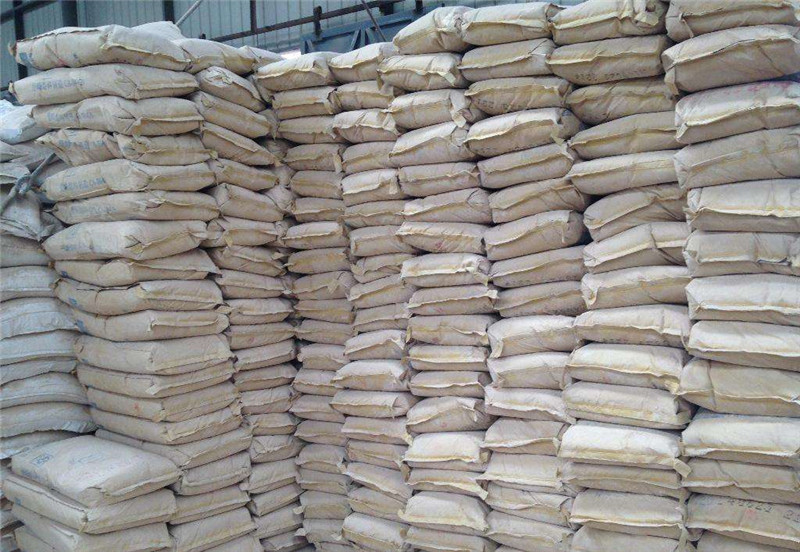
                                                              By adopting strong cooling measures in which the furnace bottom water cooling tube is buried under the furnace bottom brick, and the building method of the carbon furnace and ceramic. The goal of reducing erosion rate and longevity of blast furnace can be achieved.

                                                              The taphole area is built with carbon composite bricks. A composite brown corundum combined brick structure is adopted in the tuyere area. Its anti-slag iron corrosion and thermal shock resistance are good, the overall performance is good, and it has good protection for the tuyere-cooler casings. At the same time, it supports the refractory brick lining of the furnace belly.

                                                              Silicon Carbide Bricks
                                                              Silicon Carbide Bricks

                                                              Get Free Quote

                                                                Free Quote

                                                                Your Name (required)


                                                                Your Email (required)

                                                                Your Phone

                                                                Required Products (required)

                                                                Enquiry Information

                                                                (2) The area of furnace belly, furnace waist, and furnace body.

                                                                A thin furnace lining structure with an integrated refractory brick wall is adopted, and the lining of cast iron cooling plate refractory brick is integrated with the cooling wall by cold setting. The production practice of the steel mill proves that this design structure can fully meet the normal service life of the blast furnace for 12-15 years.

                                                                The furnace belly, furnace waist, and lower part of the furnace body are inlaid with silicon carbide bricks combined with silicon nitride. The middle of the furnace body is made of fired microporous aluminum carbon brick. The middle and upper parts of the furnace body are lined with phosphoric acid-impregnated high-density clay bricks.

                                                                (3) Refractories for furnace throat

                                                                Furnace throat plays a role in protecting furnace lining and reasonable cloth. This area is mainly affected by direct impact and friction from blast furnace incoming materials. Because the temperature of this part is not high, about 400~500℃, the refractory materials used are mostly dense clay bricks, high alumina bricks, and sillimanite bricks. But the service life is still short, so it is also protected by wear-resistant and impact-resistant cast steel bricks.

                                                                Grade-I High Alumina Bricks
                                                                Grade-I High Alumina Bricks

                                                                Get Free Quote

                                                                  Free Quote

                                                                  Your Name (required)


                                                                  Your Email (required)

                                                                  Your Phone

                                                                  Required Products (required)

                                                                  Enquiry Information

                                                                  (4) Furnace top and riser.

                                                                  Spraying materials with strong CO corrosion resistance and high thermal flexural strength.

                                                                  (5) Between the cooling stave and the furnace shell.

                                                                  The grout is pressed into the refractory mortar without water.

                                                                  Rongsheng refractory brick manufacturer

                                                                  Rongsheng is a refractory manufacturer with more than ten years of production and sales experience. Our refractory brick and refractory castable production lines are equipped with advanced production equipment. Moreover, our experienced technical engineers of refractory materials always pay attention to the development of refractory materials and customize refractory products for customers’ refractory linings. Our refractory products have been sold to more than 60 countries around the world, such as Malaysia, South Africa, India, Indonesia, Pakistan, Netherlands, Kuwait, Kenya, Russia, United States, etc. If your blast furnace needs refractory bricks or refractory castables. Please contact us with your details requirements, we will provide you with efficient refractory service.

                                                                    Get Free Quote

                                                                    Your Name (required)

                                                                    Your Email (required)

                                                                    Your Phone

                                                                    Required Products (required)

                                                                    Enquiry Information

                                                                    Performance of High-Quality Alumina Bubble Castable

                                                                    As we all know about the alumina bubble bricks. Have you ever heard about the alumina bubble castable? The answer is Yes! Alumina Bubble Castable is a lightweight refractory castable prepared with alumina hollow balls as aggregate and industrial alumina or corundum powder as powder. The binders used in this kind of lightweight refractory castables are mainly CAC (CA-70C, CA-80C) cement, aluminum phosphate, and aluminum sulfate. The particle size of the alumina hollow ball aggregate in the castable is 5mm, and the natural particle size or graded gradation is usually used. At the same time, additives are also added to improve the Performance of High-Quality Alumina Bubble Castable.

                                                                    Alumina Bubble Castable
                                                                    RS High-Quality Alumina Bubble Castable

                                                                    Get Free Quote

                                                                      Free Quote

                                                                      Your Name (required)


                                                                      Your Email (required)

                                                                      Your Phone

                                                                      Required Products (required)

                                                                      Enquiry Information

                                                                      Performance of Alumina Bubble Refractory Castable

                                                                      The bulk density of alumina hollow spheres is 0.5~0.8g/cm-³. The true density is 3.94g/cm-³. The melting point temperature is 2040°C. The thermal conductivity is 0.46W·(m·k)-1 at 1100℃. The crystal form is α-AL2O3. The content of AL2O3 is greater than 99%. So is the Alumina Bubble Castable’s performance index as the following:

                                                                      ItemsCA-70CLow CementAluminum Sulfate
                                                                      Crushing Strength (MPa)110 ℃27.119.015.99.77.4
                                                                      1500 ℃32.222(1000℃)13.326.621.2
                                                                      Bending Strength (MPa)110 ℃9.15.48.04.0
                                                                      1500 ℃10.8
                                                                      Refractoriness Under Load (℃)0.2MPa, 0.6%> 1600
                                                                      Thermal Conductivity (W/m·k)1000 ℃0.800.820.820.651.76
                                                                      Chemical Composition (%)Al2O394.880.893.795.495.8
                                                                      Fe2O30.62.66(Cr2O3)0.13
                                                                      CaO3.43.33.172.18
                                                                      Bulk Density (g/cm3)1.61.461.641.58<1.3
                                                                      Working Temperature (℃)180016001800>1600>1600

                                                                      Silicon Carbide Alumina Bubble Castable

                                                                      (1) Adding silicon carbide in an appropriate amount is beneficial to increase the volume density, room temperature compressive strength, and thermal shock stability of low cement combined  alumina bubble castable. The excessive addition of silicon carbide will destroy the matrix structure of the castable. When the amount of silicon carbide added is 6%, the bulk density of the alumina bubble castable sample reaches 1.5g/cm3, and the retention rate of normal temperature compressive strength is 92.3%. At this time, the alumina hollow ball castable exhibited the best thermal shock stability.

                                                                      (2) As the firing temperature increases, the bulk density of this kind of castable and the normal-temperature compressive strength before and after thermal shock increase gradually. When the firing temperature is 1 450 ℃, the bulk density of the sample reaches 1.48g/cm3, and the retention rate of compressive strength at room temperature is the highest, reaching 95.3%. The ability of the alumina bubble castables to resist temperature changes is enhanced.

                                                                      Features and Applications of Alumina Bubble Castable

                                                                      The characteristics of alumina bubble castable are high load softening temperature, high strength, and good heat insulation performance. The operating temperature is generally 1600℃~1700℃. It is an ideal thermal insulation material for carbon black reaction furnace and special high-temp permanent layer lining. Alumina bubble refractory castables are mainly used in thermal furnaces such as metallurgy, ceramics, refractory, petrochemical, and carbon black. It can meet the development needs of new processes and technologies, save energy, and has outstanding economic and social benefits.

                                                                      RS Refractory Materials Manufacturer

                                                                      As one of the refractory manufacturers, RS has more than 10 years of experience, and the refractory materials have been delivered to more than 60 counties and areas. Such as Malaysia, South Africa, India, Indonesia, Pakistan, Netherlands, Kuwait, Kenya, Russia, United States, etc. If you are looking for the alumina hollow ball bricks and the alumina bubble castables, please leave us your detailed requirements, so that we can according to your furnaces’ working conditions to provide you the suitable refractory materials.

                                                                        Get Free Quote

                                                                        Your Name (required)

                                                                        Your Email (required)

                                                                        Your Phone

                                                                        Required Products (required)

                                                                        Enquiry Information